Meghalaya CM Conrad Sangma champions Early Childhood Development Mission at ECD Fellowship event
Synopsis
Meghalaya CM Conrad Sangma used a rare public platform to frame early childhood development not as welfare spending but as strategic investment in human capital — recognising ECD Fellows and Anganwadi Workers as the backbone of the state's care economy push. The MECDM's fellowship model, which embeds trained professionals within communities, could offer a replicable template for other northeastern states.
Key Takeaways
Meghalaya CM Conrad K.
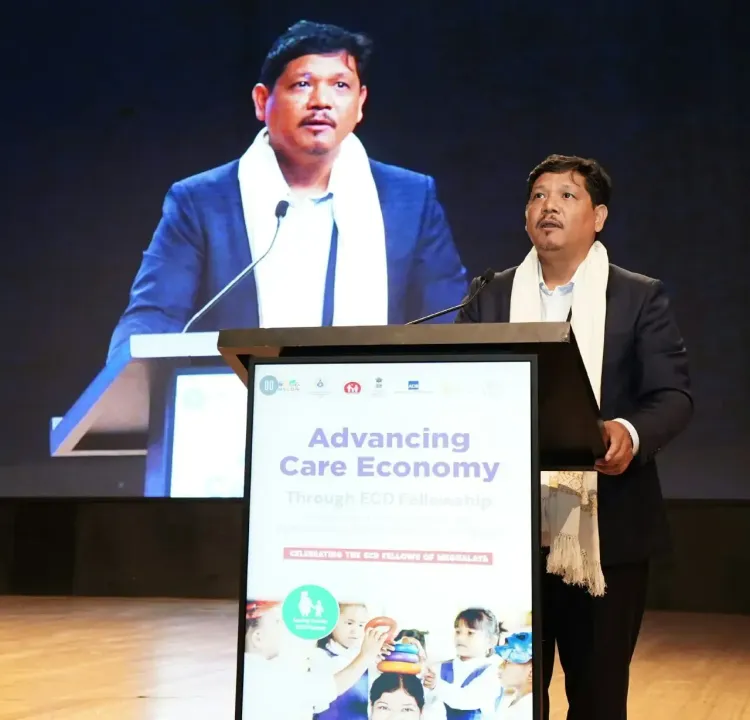
Sangma attended the 'Advancing Care Economy through ECD Fellowship' programme in Shillong on 3 November 2026 .
He described the Meghalaya Early Childhood Development Mission (MECDM) as a long-term investment in future generations.
ECD Fellows and Anganwadi Workers were formally recognised for grassroots contributions to early childhood care.
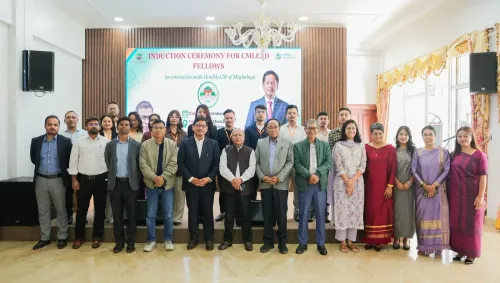
The ECD Fellowship aims to build a trained professional network working alongside parents and communities to improve child development outcomes.
The mission focuses on nutrition, protection, care and early learning as pillars of a healthier society and stronger human capital base.
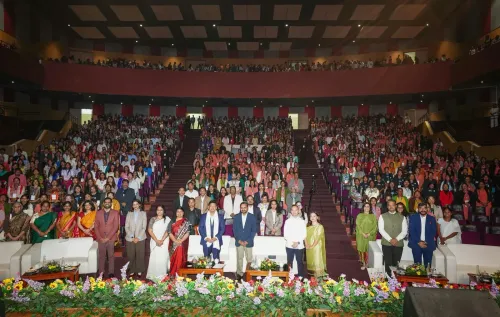
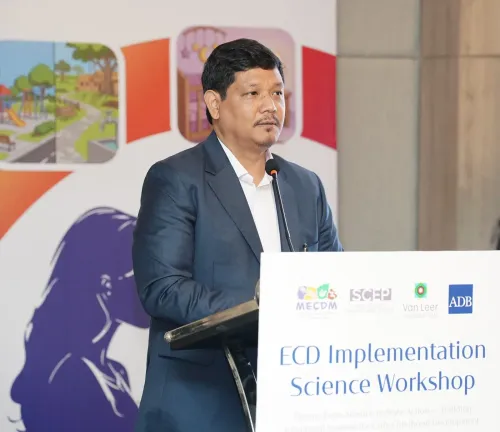
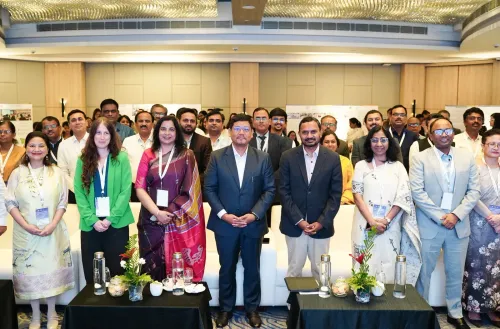
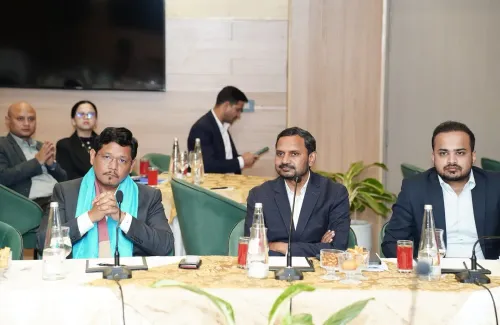
Meghalaya Chief Minister Conrad K. Sangma on Tuesday, 3 November 2026, called for sustained strengthening of early childhood care and education, describing the state's Meghalaya Early Childhood Development Mission (MECDM) as a long-term investment in the well-being of future generations. The remarks came at a recognition ceremony for ECD Fellows held under the 'Advancing Care Economy through ECD Fellowship' programme in Shillong.
CM Sangma on the Importance of Early Years
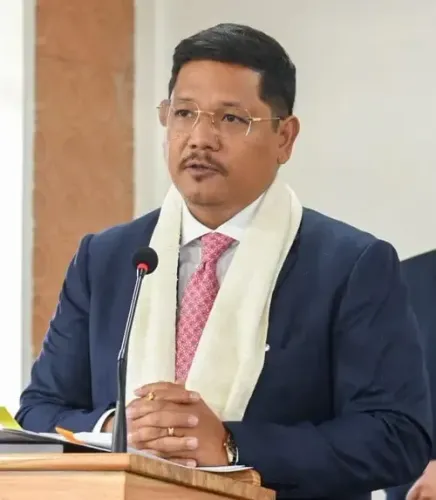
Addressing the gathering, Sangma stressed that the earliest years of a child's life are decisive for physical, emotional and cognitive growth, making consistent investment in childcare and early learning indispensable to building a healthy, capable society. He framed the MECDM not merely as a welfare programme but as a structural pillar of the state's long-term human capital strategy.
Frontline Workers Recognised as Backbone of the Mission
ECD Fellows and Anganwadi Workers were formally recognised at the event for their grassroots contributions. The Chief Minister described these frontline professionals as the backbone of the mission, noting that their work extends well beyond routine childcare — encompassing family support, community capacity-building, and the creation of nurturing environments for young children across Meghalaya.
What the ECD Fellowship Programme Does
The ECD Fellowship is designed to strengthen what officials describe as the 'care economy' by developing a trained professional network that works in close coordination with Anganwadi Workers, parents and local communities. Fellows are deployed to translate the state government's developmental priorities into tangible, community-level interventions for children and families. The programme places grassroots participation at its centre, aiming to ensure that every child receives adequate nutrition, protection, care and early learning opportunities.
Meghalaya's Broader Social Development Push
This initiative is part of a wider effort by the Meghalaya government to reinforce its social development framework through institutional and community-based support systems. Early childhood development is widely recognised by experts in education and public health as foundational to long-term human capital formation — particularly in states with large rural and tribal populations. Notably, Anganwadi Workers have historically been underpaid and under-resourced across India, making formal recognition and programme investment at the state level a meaningful step. As the MECDM expands its fellowship network, the quality and consistency of grassroots outreach will be closely watched by child welfare advocates.
Point of View
Aligning with global development discourse on early childhood investment. However, the real measure will be whether this recognition translates into improved pay, better resourcing and scalable outcomes. State-level missions with strong launch optics have a mixed track record in the Northeast; consistent funding and accountability mechanisms will determine whether MECDM becomes a model or a footnote.
NationPress
3 Nov 2026
Frequently Asked Questions
What is the Meghalaya Early Childhood Development Mission (MECDM)?
The MECDM is a state government initiative in Meghalaya aimed at strengthening early childhood care, nutrition, protection and early learning through both institutional and community-based support systems. It focuses on the critical early years of a child's life as foundational to long-term physical, emotional and cognitive development.
What is the ECD Fellowship programme?
The ECD Fellowship, run under the MECDM, trains a network of professionals to work alongside Anganwadi Workers, parents and communities to improve early childhood development outcomes at the grassroots level. Fellows help translate state developmental priorities into direct interventions for children and families.
Why did CM Conrad Sangma attend the ECD Fellowship event?
Chief Minister Sangma attended the 'Advancing Care Economy through ECD Fellowship' ceremony in Shillong on 3 November 2026 to recognise ECD Fellows for their grassroots work and to reaffirm the state government's commitment to early childhood care as a long-term investment in human capital.
Who are Anganwadi Workers and what role do they play in the MECDM?
Anganwadi Workers are frontline government-appointed caregivers who provide nutrition, health and early education support to young children and their families at the village level. Under the MECDM, they are described by CM Sangma as the backbone of the mission, working in tandem with ECD Fellows to strengthen community-level care systems.
Why does early childhood development matter for Meghalaya?
Early childhood is widely regarded by education and public health experts as the period with the highest return on investment in human development. For Meghalaya, with significant rural and tribal populations, strengthening early care and learning is seen as essential to improving long-term health, educational and economic outcomes across the state.