CM Conrad Sangma Clears OTS Scheme for Vehicle Tax Penalties
Synopsis
Meghalaya CM Conrad Sangma announced a cabinet-approved One Time Settlement scheme on 27 May 2026, offering 90% exemption on fitness certificate penalties and 80% on Motor Vehicles Tax and Goods and Passenger Tax dues, valid till 31 August 2026, targeting relief for local commercial transporters.
Key Takeaways
The Meghalaya cabinet approved a One Time Settlement (OTS) scheme on 27 May 2026 for waiver and reduction of motor vehicle-related penalties.
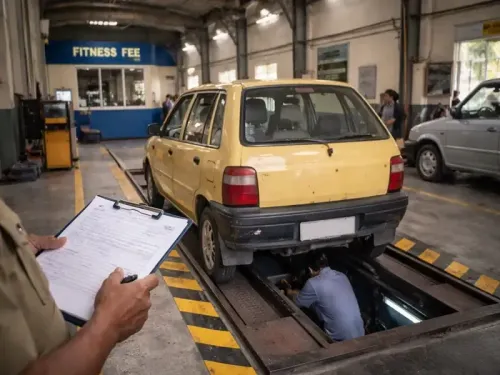
Commercial vehicle owners will receive a 90% exemption on penalties for pending fitness certificates .
An 80% exemption applies to pending Motor Vehicles Tax and Goods and Passenger Tax penalties.
The scheme is valid until 31 August 2026 , providing a fixed window for transporters to regularise dues.
The initiative targets local transporters in Meghalaya whose penalty burdens had grown disproportionate to the original fees owed.
CM Conrad Sangma has urged all vehicle owners to participate and clear pending dues within the deadline.
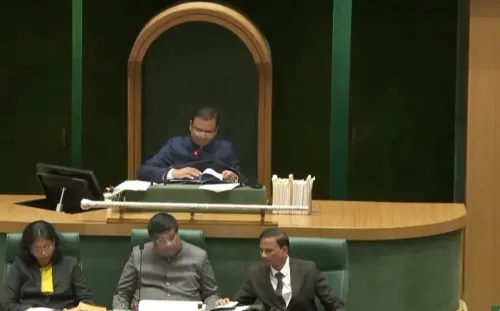
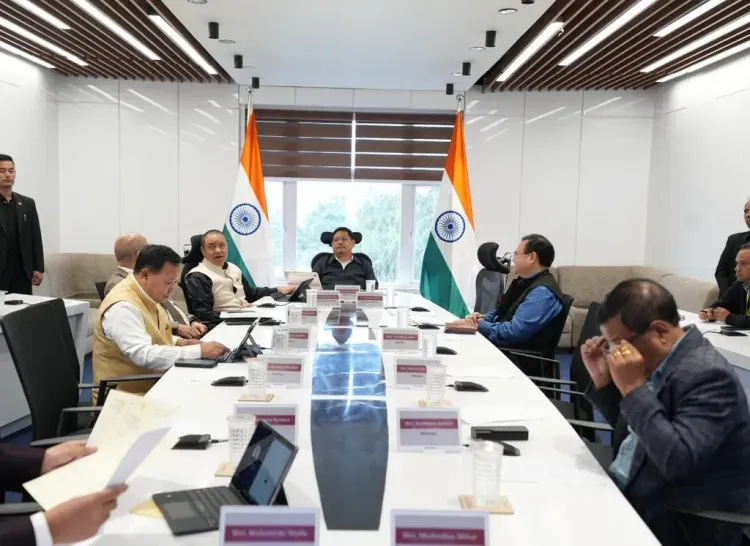
Meghalaya Chief Minister Conrad Sangma announced on Wednesday, 27 May 2026 that the state cabinet has approved a One Time Settlement (OTS) scheme offering major waivers on penalties related to Motor Vehicles Tax, Passenger and Goods Tax, and Fitness Fees, providing significant relief to commercial vehicle owners and local transporters across the state.
Context
Over the years, commercial vehicle operators in Meghalaya allowed renewals of motor vehicle taxes, goods and passenger taxes, and fitness certificates to lapse, resulting in mounting penalty dues. While the underlying fees remained modest, the compounding penalties became, in CM Sangma's words, 'disproportionately high, creating severe financial stress for many, especially local transporters who depend on these vehicles for their livelihood.'
The scheme addresses a structural problem: small operators, particularly in a hilly northeastern state where road transport is the economic lifeline, found themselves trapped in a cycle where legalising their vehicles was unaffordable precisely because of the penalties designed to enforce compliance.
Policy Backdrop
The cabinet has approved two specific relief tiers under the OTS: a 90% exemption on penalties for pending fitness certificates and an 80% exemption on pending Motor Vehicles Tax and Goods and Passenger Tax. The scheme will remain open until 31 August 2026, giving transporters a clear window to regularise their dues.
Indian state governments have periodically introduced similar amnesty mechanisms, notably during post-COVID recovery phases in 2021-2022, to ease distress among small operators in the unorganised transport sector and improve long-term compliance. Meghalaya's geography — steep terrain, dispersed settlements, and limited rail connectivity — makes commercial vehicles especially critical and also makes routine compliance costlier than in plains states.
The National People's Party (NPP)-led coalition government has framed the move explicitly as a welfare measure for 'our own local citizens,' signalling its intent to distinguish between the principal dues owed to the state and the punitive penalties that had grown beyond what many operators could realistically pay.
Stakeholders and Impact
The primary beneficiaries are Meghalaya's commercial vehicle owners — truck operators, bus and minibus owners, and goods carriers — who form a significant part of the state's informal economy. Many of these operators are small-scale, family-run enterprises for whom a large accumulated penalty bill represents an existential financial burden.
For the state exchequer, the scheme is a trade-off: accepting reduced penalty revenue in exchange for recovering at least the core principal dues and bringing more vehicles into the compliant, taxable base. Improved compliance after the settlement window closes could also reduce future enforcement costs.
CM Sangma directly urged 'all transporters and vehicle owners to take advantage of this opportunity and regularise pending dues,' framing participation as both a financial benefit and a civic responsibility.
What's Next
The immediate focus will be on the volume of applications received and the total revenue realised before the 31 August 2026 deadline. A strong uptake would validate the scheme's design and could set a precedent for similar relief in other northeastern states facing comparable compliance challenges.
Authorities are expected to monitor whether the one-time settlement translates into sustained compliance thereafter, or whether penalty backlogs begin to accumulate again. Any announcement of an extension beyond August 2026, or a follow-up compliance audit, will be a key indicator of how effectively the scheme has reset the relationship between the state and the transport sector.
Point of View
' CM Sangma is also making a political statement ahead of ongoing coalition management pressures, reinforcing the NPP's identity as a party rooted in the northeast's everyday economic realities. The 90% and 80% waiver tiers are generous enough to drive genuine uptake, which will be the real test of the scheme's design. If compliance improves after August 2026, it could become a template for other northeastern states grappling with similar terrain-driven enforcement gaps.
NationPress
27 Sept 2026
Frequently Asked Questions
What is the Meghalaya OTS scheme for vehicle taxes announced in 2026?
The Meghalaya cabinet approved a One Time Settlement scheme in May 2026 offering 90% exemption on fitness certificate penalties and 80% exemption on Motor Vehicles Tax and Goods and Passenger Tax penalties for commercial vehicle owners who clear their dues by 31 August 2026.
Who is eligible for the Meghalaya motor vehicle penalty waiver?
All commercial vehicle owners and transporters in Meghalaya with pending dues on motor vehicle taxes, goods and passenger taxes, or fitness certificates are eligible to apply under the OTS scheme before the 31 August 2026 deadline.
What is the last date to apply for the Meghalaya vehicle tax OTS scheme?
The One Time Settlement scheme is valid till 31 August 2026, and all eligible transporters and vehicle owners must regularise their pending dues before this date to avail the penalty exemptions.
Why did the Meghalaya government introduce the vehicle tax penalty waiver?
The government introduced the scheme because penalties accumulated over years had become disproportionately high compared to the original fees, creating severe financial stress for local transporters who depend on commercial vehicles for their livelihood.
What percentage of penalty is waived under the Meghalaya OTS scheme?
The scheme offers a 90% exemption on penalties for pending fitness certificates and an 80% exemption on pending Motor Vehicles Tax and Goods and Passenger Tax penalties.