CM Himanta: Mizoram joins Assam cancer care network
Synopsis
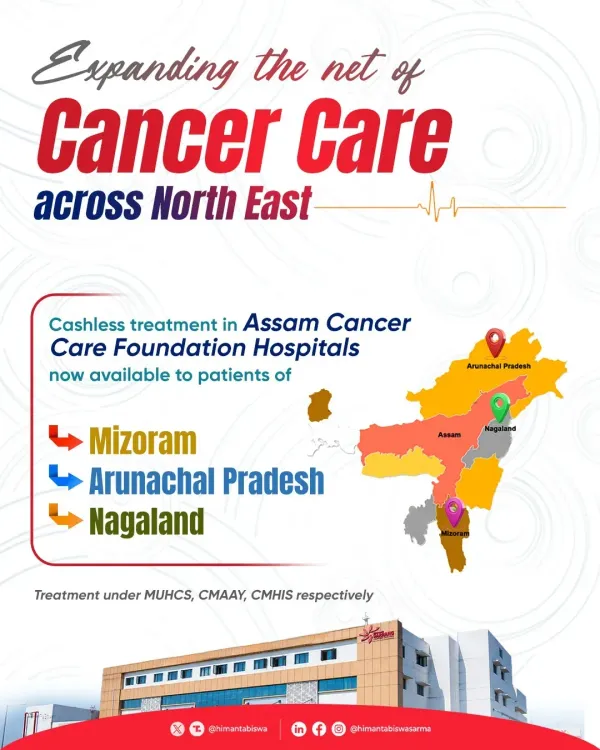
Mizoram has partnered with CareAssam to give its cancer patients fully cashless access to Assam's oncology centres under the Mizoram Universal Healthcare Scheme. Announced by CM Himanta Biswa Sarma on 8 July 2026, it is the third such Northeast state tie-up after Arunachal Pradesh and Nagaland, advancing Assam's bid to become the region's healthcare hub.
Key Takeaways
Mizoram has signed a partnership with CareAssam for cashless cancer treatment at Assam's cancer centres.
Coverage is provided under the Mizoram Universal Healthcare Scheme , with no out-of-pocket expense for patients.
Mizoram is the third northeastern state to join this network, after Arunachal Pradesh and Nagaland .
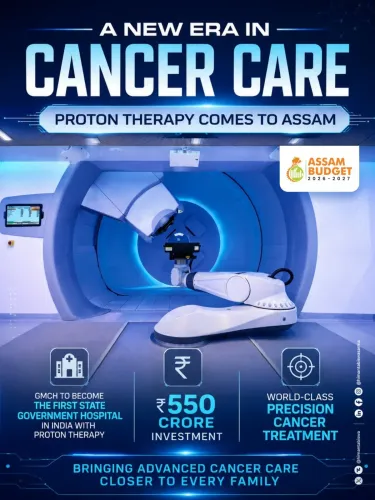
Assam expanded its oncology infrastructure, including the State Cancer Institute in Guwahati , in 2022–23 to serve the broader Northeast.
The arrangement complements national schemes like Ayushman Bharat but operates as a separate bilateral track.
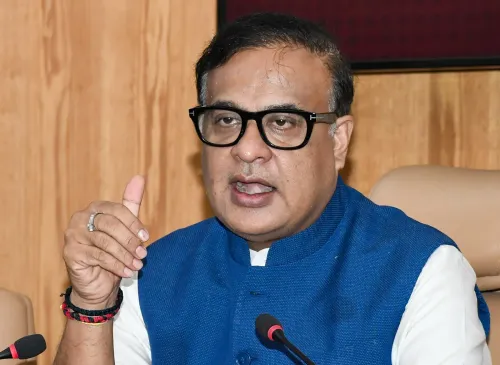
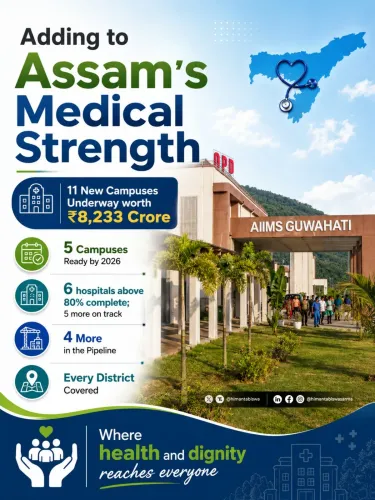
CM Himanta Biswa Sarma described the development as a milestone in Assam's emergence as 'the country's new healthcare hub.'
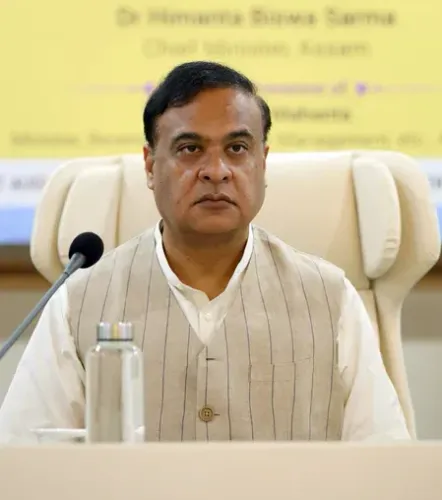
Assam Chief Minister Himanta Biswa Sarma announced on Wednesday, 8 July 2026 that Mizoram has partnered with CareAssam to allow its cancer patients to receive fully cashless treatment at Assam's cancer centres under the Mizoram Universal Healthcare Scheme. The move follows similar agreements already in place with Arunachal Pradesh and Nagaland, and is being positioned as a landmark step in Assam's rise as a regional healthcare hub.
Context
In his post, CM Sarma described the development as 'another significant milestone in Assam's emergence as the country's new healthcare hub.' Under the arrangement, Mizoram residents enrolled under the state's universal health coverage programme can now travel to Assam's cancer treatment facilities without any out-of-pocket expense, with costs settled directly through the scheme. The partnership is coordinated via CareAssam, the platform that manages inter-state patient access to Assam's oncology network.
Mizoram becomes the third northeastern state to formalise such a referral arrangement with Assam, joining Arunachal Pradesh and Nagaland, which entered similar agreements earlier. The sequential expansion signals a deliberate effort to build a structured, cashless referral corridor across the Northeast.
Policy Backdrop
Assam invested significantly in expanding its oncology infrastructure in 2022–23, including the State Cancer Institute in Guwahati and additional centres intended to serve the wider northeastern region. The capacity built during that period has enabled the state to absorb patients from smaller neighbouring states that lack comparable tertiary-care facilities.
These inter-state arrangements complement national frameworks such as Ayushman Bharat, which already provides a degree of cross-state treatment portability. The Mizoram tie-up, however, operates specifically under the Mizoram Universal Healthcare Scheme, indicating that states are also forging bilateral tracks independent of central programmes to address gaps in specialised care.
Stakeholders and Impact
The most immediate beneficiaries are Mizoram's cancer patients, who previously faced financial and logistical barriers when seeking advanced oncology care outside the state. Cashless access removes the burden of upfront payments and reimbursement claims, a significant relief for patients from lower-income households in a small northeastern state.
For Assam's cancer centres, the arrangement increases patient inflows and strengthens the case for further investment in oncology capacity. The agreements also carry political significance: CM Sarma, as convenor of the North-East Democratic Alliance (NEDA), has consistently used cooperative governance frameworks to deepen ties among BJP-ruled and allied state governments across the region.
What's Next
With three northeastern states now linked to Assam's cancer care network, attention will turn to whether other states in the region — such as Manipur, Meghalaya, Sikkim, or Tripura — will enter similar arrangements. Observers will also watch for data on patient inflows and scheme reimbursement volumes, which will test the operational capacity of Assam's centres under the expanded load.
Further MoUs covering other super-specialty services beyond oncology — such as cardiac care or neurosurgery — could follow if the cancer-care model proves administratively and financially sustainable, potentially cementing Guwahati as the tertiary-care capital of the Northeast.
Point of View
Using cooperative governance to bind smaller states closer to Assam's institutional orbit. The cashless, scheme-linked model is also notable because it bypasses the friction of Ayushman Bharat's portability mechanisms, suggesting states are finding bilateral routes faster and more flexible than central frameworks. If patient volumes and reimbursement flows hold up, this template could be replicated for other super-specialties, making Guwahati a de facto tertiary-care capital for a region of over 45 million people.
NationPress
7 Oct 2026
Frequently Asked Questions
What is the Mizoram-Assam cancer treatment agreement?
Mizoram has partnered with CareAssam to allow Mizoram cancer patients to receive fully cashless treatment at Assam's cancer centres, with costs covered under the Mizoram Universal Healthcare Scheme.
Which states have signed similar healthcare deals with Assam?
As of July 2026, three northeastern states — Arunachal Pradesh, Nagaland, and now Mizoram — have formalised arrangements to send cancer patients to Assam's treatment centres on a cashless basis.
Will Mizoram patients have to pay anything for cancer treatment in Assam?
No. Under the partnership, treatment is completely cashless for Mizoram residents covered by the Mizoram Universal Healthcare Scheme, with no upfront payment or reimbursement process required.
Why is Assam being called a healthcare hub for the Northeast?
Assam invested in expanding its oncology infrastructure, including the State Cancer Institute in Guwahati, in 2022–23. Its advanced facilities and successive inter-state agreements have positioned it as the primary destination for specialised cancer care in the Northeast.