PM Modi: 46% of PM SVANidhi beneficiaries are women, 35 lakh expanding businesses
Synopsis
PM Modi used his 137th Mann Ki Baat to spotlight a figure that has flown under the radar: women now make up 46% of PM SVANidhi beneficiaries — roughly 35 lakh vendors. With real names and real businesses cited, the broadcast reframes a pandemic-era micro-credit scheme as one of the government's most tangible women's empowerment stories.
Key Takeaways
PM Modi revealed that women account for 46% of PM SVANidhi Yojana beneficiaries as of 30 August .
Approximately 35 lakh women across India are expanding street-vending businesses through the scheme.
Babita Sharma of Ghaziabad grew from a roadside stall to a proper shop after receiving SVANidhi support.
Ningamma of Bengaluru upgraded her food cart and now funds better education for her three children .
Modi made the remarks during the 137th episode of his monthly radio programme 'Mann Ki Baat' .
The PM SVANidhi scheme was originally launched in 2020 to support urban street vendors affected by Covid-19 lockdowns.
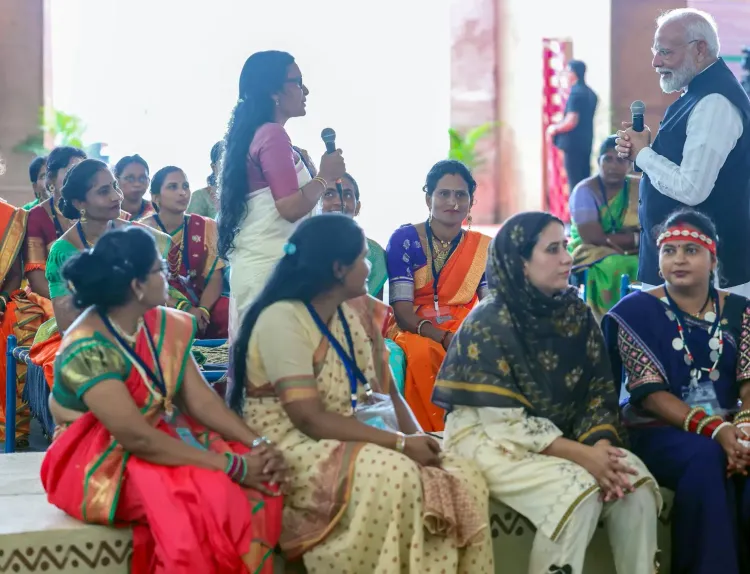
Prime Minister Narendra Modi on Sunday, 30 August highlighted that women constitute approximately 46 per cent of all beneficiaries under the PM SVANidhi Yojana, translating to nearly 35 lakh women across India using the scheme to scale up their street-vending businesses. Speaking during the 137th episode of his monthly radio programme 'Mann Ki Baat', Modi called this a 'living example' of women's empowerment — one he argued does not receive the public attention it deserves.
What PM Modi Said
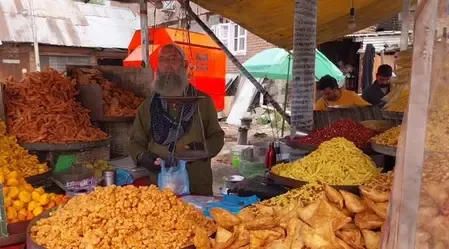
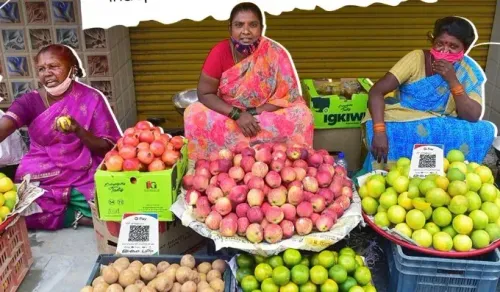
'From morning till evening, lakhs of women across the streets of our cities and towns are engaged in their work. Some sell vegetables or fruits, others run tea stalls, while some sell flowers, earthen lamps, and worship materials. Often, a mere lack of capital prevents their businesses from growing further,' Modi said during the broadcast.
He added that the PM SVANidhi scheme was bridging precisely that gap — providing working capital access to women vendors who would otherwise be locked out of formal credit channels.
Stories From the Ground
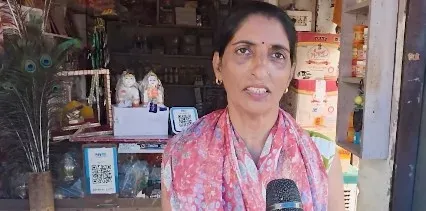
Modi cited two beneficiaries to illustrate the scheme's reach. Babita Sharma from Ghaziabad previously ran a modest roadside stall selling flowers, earthen lamps, incense sticks, and coconuts. After receiving financial assistance under PM SVANidhi, she expanded her stock, grew her customer base, and eventually converted her stall into a proper shop.
The second example was T.S. Ningamma from Bengaluru, who along with her husband operated a small idli, dosa, and sambar venture. With support from the scheme, Ningamma upgraded her cart, began bulk-purchasing supplies, diversified her menu, and improved her family's income — enabling better education for her three children, Modi noted.
The Wider Economic Argument
'When a woman's business grows, the future of her entire family advances along with it. Children receive a better education, household needs are met, and the woman's self-confidence is strengthened,' the Prime Minister said, framing street-vending support as a multiplier for household welfare rather than a narrow subsidy.
This comes amid a broader government push to formalise India's vast informal economy. The PM SVANidhi scheme, launched in 2020 during the Covid-19 pandemic, was originally designed to rehabilitate urban street vendors whose livelihoods were disrupted by lockdowns. It has since evolved into a longer-term micro-credit vehicle, with successive loan tranches available to vendors who repay on time.
Significance and What Comes Next
The 46 per cent female beneficiary share is notable given that street vending in India has historically skewed male in official data. Critics have pointed out that access alone does not guarantee sustained income growth, and that infrastructure — cold storage, designated vending zones, digital payment adoption — remains uneven across cities.
Modi extended his 'best wishes for a bright future' to all women involved in street vending, signalling continued political attention to the scheme. With urban local body elections due in several states, the government's emphasis on visible, grassroots welfare delivery is likely to intensify in the months ahead.
Point of View
But the government has not published a breakdown of loan amounts, repayment rates, or income-change data disaggregated by gender — without which it is difficult to assess whether women are accessing equal credit or clustering in the smallest, lowest-value tranches. PM SVANidhi's design rewards on-time repayment with larger subsequent loans, which benefits disciplined borrowers but may disadvantage vendors in volatile markets. The scheme's real test is not beneficiary headcount but whether repeat borrowers are graduating to higher income brackets. That data, so far, has not been made public.
NationPress
15 Oct 2026
Frequently Asked Questions
What is the PM SVANidhi Yojana?
PM SVANidhi (PM Street Vendor's AtmaNirbhar Nidhi) is a micro-credit scheme launched in 2020 to provide working capital loans to urban street vendors, initially to help them recover from Covid-19 lockdown disruptions. Vendors who repay on time become eligible for progressively larger loan tranches.
What share of PM SVANidhi beneficiaries are women?
According to Prime Minister Narendra Modi, women account for approximately 46 per cent of PM SVANidhi beneficiaries — equivalent to around 35 lakh women across India. He cited this figure during the 137th episode of Mann Ki Baat on 30 August.
Who are Babita Sharma and T.S. Ningamma?
They are street vendors cited by PM Modi as success stories of the SVANidhi scheme. Babita Sharma from Ghaziabad expanded a worship-items stall into a proper shop after receiving scheme support, while T.S. Ningamma from Bengaluru upgraded her idli-dosa cart and improved her family's finances, including education for her three children.
Why does PM Modi say women's role in SVANidhi is underreported?
Modi argued during Mann Ki Baat that the high female beneficiary share — nearly half of all recipients — is 'not discussed as much as it should be,' framing it as an underacknowledged dimension of women's economic empowerment at the grassroots level.
When was Mann Ki Baat Episode 137 broadcast?
The 137th episode of PM Modi's monthly radio programme Mann Ki Baat was broadcast on Sunday, 30 August, during which he highlighted the PM SVANidhi scheme's impact on women street vendors.