PM Modi Champions 'Citizen First' Governance Mantra
Synopsis
Prime Minister Narendra Modi on 9 July 2026 invoked 'Citizen First Governance' and the Nagrik Devo Bhava mantra on X, underlining the BJP-led government's decade-long drive to place citizens at the heart of public administration through digital and direct-delivery reforms.
Key Takeaways
Prime Minister Narendra Modi posted on X on 9 July 2026 championing 'Citizen First Governance' and the Nagrik Devo Bhava philosophy.
The post was accompanied by a video , suggesting it was tied to a specific governance milestone or initiative.
The Nagrik Devo Bhava mantra has been a core BJP government communication tool since 2014 , framing citizens as the state's foremost stakeholders.
The Digital India programme, launched in 2015 , is the primary institutional vehicle for the government's citizen-centric service delivery model.
State-level adoption of integrated citizen portals and new grievance redressal mechanisms remain key areas to watch as this agenda advances.
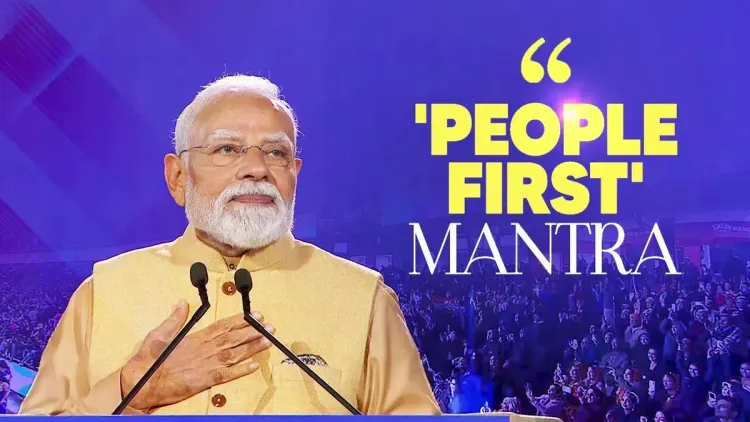
Prime Minister Narendra Modi on Thursday, 9 July 2026, invoked the principles of 'Citizen First' governance and the Nagrik Devo Bhava philosophy in a post on X, reaffirming his government's decade-long commitment to placing citizens at the centre of public administration.
Context
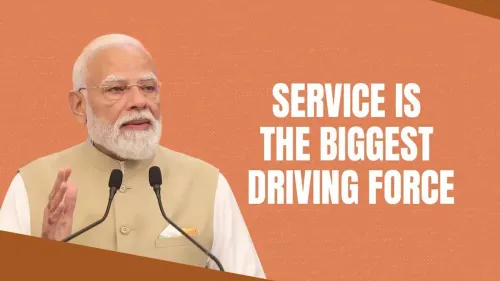
In the post, Prime Minister Modi wrote: 'Yahi Citizen First Governance hai, yahi Nagrik Devo Bhav ke mantra ki safalta hai…' — translated as, 'This is what Citizen First Governance means, this is the success of the mantra of Nagrik Devo Bhava…' The statement was accompanied by a video, signalling that the post was anchored to a specific governance achievement or initiative being highlighted by the government.
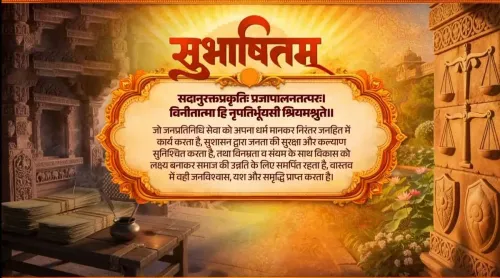
The phrase Nagrik Devo Bhava — a riff on the Sanskrit Atithi Devo Bhava ('the guest is God') — has been a recurring motif in BJP-led government communications, repositioning the citizen as the ultimate stakeholder whom the state must serve with reverence.
Policy Backdrop
Since 2014, the Modi government has built its administrative identity around the slogan 'Minimum Government, Maximum Governance.' This philosophy found institutional expression through the Digital India programme, launched in 2015, which sought to deliver government services electronically and reduce friction in citizen-state interactions.
These efforts built on the National e-Governance Plan of 2006 but placed fresh emphasis on citizen feedback loops and real-time grievance redressal. Over the past decade, integrated service portals, direct benefit transfers, and digital identity infrastructure have been positioned as the operational backbone of this citizen-centric model.
The framing of governance as a moral and administrative duty — not merely a bureaucratic function — has been central to how the government communicates reform to the public, blending policy language with cultural idiom.
Stakeholders and Impact
Common citizens, particularly those in rural and semi-urban areas who have historically faced barriers to accessing government services, are the primary intended beneficiaries of this governance philosophy. Digital delivery mechanisms have aimed to reduce intermediaries and improve last-mile reach.
State governments are key implementation partners, and the pace of adoption of integrated citizen portals varies significantly across India's 28 states and 8 union territories. Civil society groups and opposition parties have at different times both acknowledged service delivery improvements and raised concerns about exclusion of those without digital access.
What's Next
Observers will watch for state-level rollouts of unified citizen service platforms and any new legislative or executive measures on grievance redressal that may follow the Prime Minister's renewed emphasis on the Citizen First framework. The post's accompanying video is expected to provide more granular detail on the specific initiative or milestone being celebrated. As the government approaches the next electoral cycle, citizen-centric governance messaging is likely to remain a centrepiece of its public communication strategy.
Point of View
Not merely articulate aspirations. By tying the slogan to a video — likely showcasing a specific achievement — the communication shifts from rhetoric to evidence-based messaging, a maturing of the BJP's governance narrative. The broader arc points toward an intensifying focus on last-mile digital delivery as a political differentiator ahead of future electoral contests.
NationPress
8 Oct 2026
Frequently Asked Questions
What is 'Citizen First Governance' as mentioned by PM Modi?
'Citizen First Governance' is the Modi government's administrative philosophy that prioritises the needs and convenience of ordinary citizens in every aspect of public service delivery, operationalised through digital platforms, direct benefit transfers, and grievance redressal systems.
What does 'Nagrik Devo Bhava' mean?
Nagrik Devo Bhava is a phrase coined by the BJP-led government meaning 'the citizen is God,' adapted from the Sanskrit Atithi Devo Bhava . It positions the citizen as the ultimate stakeholder whom the state must serve with the highest priority.
What is the Digital India programme?
Digital India is a flagship government scheme launched in 2015 to deliver public services electronically, reduce bureaucratic friction, and improve transparency in citizen-government interactions across the country.
Why did PM Modi post about governance on 9 July 2026?
The post on 9 July 2026 was accompanied by a video, suggesting it was tied to a specific governance achievement or initiative the government wished to highlight, though the precise event was not detailed in the text of the post itself.
How has India's e-governance evolved under the Modi government?
Since 2014 , the government has built on the National e-Governance Plan of 2006 by adding citizen feedback mechanisms, real-time grievance redressal, and integrated digital service portals, with the Digital India programme serving as the central institutional framework.