PM Modi reviews ₹78,000 crore infra projects at PRAGATI meet
Synopsis
Modi used the 55th PRAGATI review to argue that infrastructure delays are a loss to citizens, not just a cost overrun. He reviewed five projects worth over ₹78,000 crore, pushed decentralised solar and wind power near demand centres, and asked PSUs to hire directly through upgraded ITIs.
Key Takeaways
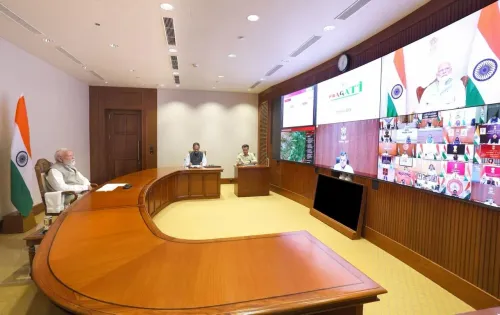
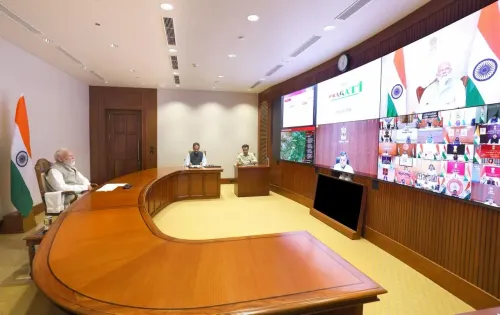
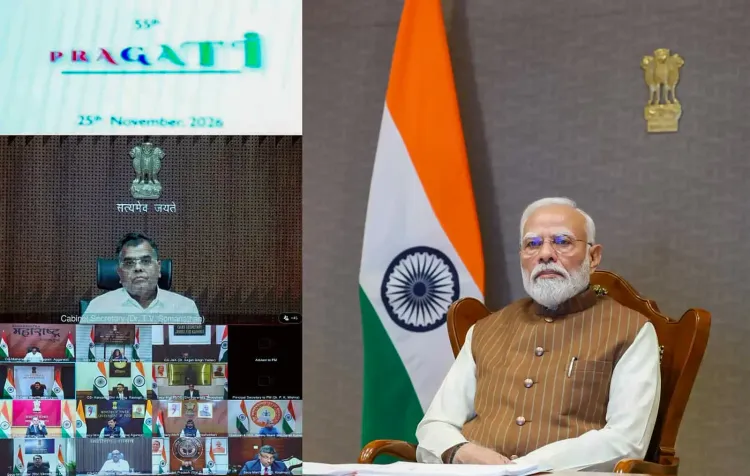
PM Narendra Modi chaired the 55th PRAGATI meeting at Seva Teerth, New Delhi , on 26 November 2026 .
He reviewed five road, power, coal and railway projects worth over ₹78,000 crore .
Ministries and States were asked to resolve pending issues with clear responsibility and realistic timelines, without compromising construction quality.
Modi pushed decentralised solar and wind power projects located closer to consumption centres to ease transmission pressure.
He called for timely and dignified rehabilitation and resettlement in the coal project.
PSUs were asked to link with ITIs for training and recruitment, with skilling aligned to industrial clusters under PM-SETU .
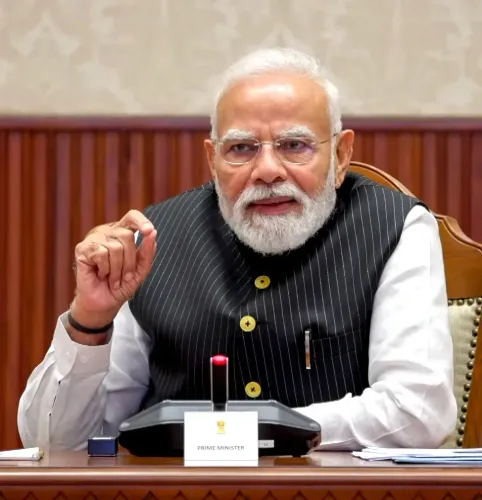
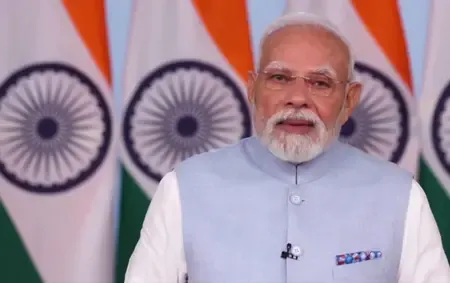
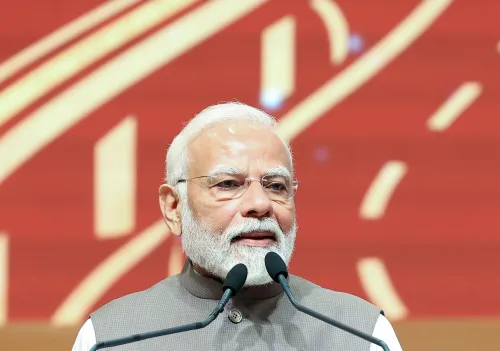
Prime Minister Narendra Modi on 26 November 2026 warned that delays in infrastructure projects cost more than money, because they postpone the benefits meant for citizens, businesses and the economy. He made the remarks while chairing the 55th meeting of PRAGATI at Seva Teerth in New Delhi. During the review, he examined five critical infrastructure projects across the road, power, coal and railway sectors, with a combined cost of over ₹78,000 crore.
Modi asked the concerned Union Ministries and State Governments to resolve pending issues with clear responsibility and realistic timelines. He added that speed must not come at the expense of construction quality.
Key Developments at the 55th PRAGATI Meeting
PRAGATI, short for Pro-Active Governance and Timely Implementation, is an ICT-enabled, multi-modal platform. It brings the Prime Minister, Central Ministries and State Governments together to track high-value projects and clear bottlenecks.
Apart from the five infrastructure projects, the meeting also reviewed the Industrial Training Institute (ITI) ecosystem. This included progress on the Pradhan Mantri Skilling and Employability Transformation through Upgraded ITIs (PM-SETU).
Sector-wise Directions from the Prime Minister
For the road project, Modi called for expeditious implementation. He repeated his emphasis on outcomes over outlays, a recurring theme in his governance reviews.
For the coal project, he said rehabilitation and resettlement of affected people should be carried out in a timely and dignified manner, alongside the project itself. The rehabilitation of displaced communities has historically been one of the most contested issues in mining-linked development.
For the power project, the Prime Minister suggested exploring innovative models for decentralised solar and wind power. Wherever feasible, he said, such projects should be built closer to centres of consumption, taking into account local resource availability and demand. The stated aim is to improve the availability of reliable and affordable power and to ease pressure on transmission infrastructure.
Skilling Push Linked to PSUs and Industrial Clusters
Modi asked Public Sector Undertakings (PSUs) to assess their future manpower needs. He also urged them to build stronger links with ITIs for training and recruitment in relevant trades.
He said skilling should be organised around industrial clusters and the needs of individual sectors. ITI trades, curricula and training capacity, he added, should be aligned with existing industries and upcoming investments in each region.
Why It Matters
The directions show a governance approach that treats delays as a loss to the public, not merely an accounting overrun. Delayed highways, power plants and rail lines push back connectivity, energy access and jobs for the regions they are meant to serve.
Linking ITI reform to PSU hiring and regional investment pipelines also signals an attempt to address the long-standing gap between vocational training and industry demand.
What Happens Next
The responsibility now rests with the concerned Ministries and State Governments to act on the timelines and accountability measures set out at the review. Progress on these five projects, and on PM-SETU's rollout, is likely to come up again in future PRAGATI sessions.
Point of View
After 55 PRAGATI sessions, projects still stall badly enough to need prime-ministerial attention. The more consequential idea may be decentralised renewables near demand centres, which quietly concedes that India's transmission build-out is struggling to keep pace with generation. On skilling, tying ITIs to PSU hiring is sensible, but it will matter only if PSUs make firm recruitment commitments instead of the loose 'linkages' that past skilling missions relied on.
NationPress
26 Nov 2026
Frequently Asked Questions
What did PM Modi review at the 55th PRAGATI meeting?
PM Modi reviewed five critical infrastructure projects in the road, power, coal and railway sectors, with a total cost of over ₹78,000 crore. He also reviewed the ITI ecosystem, including the implementation of PM-SETU.
Why did PM Modi say infrastructure delays matter?
Modi said delays have consequences beyond cost escalation because they postpone the benefits intended for citizens, businesses and the economy. He asked Ministries and States to resolve pending issues with clear responsibility and realistic timelines.
What did PM Modi suggest for power projects?
He suggested exploring innovative models for decentralised solar and wind power projects located closer to centres of consumption wherever feasible. The goal is to improve the availability of reliable, affordable power and ease pressure on transmission infrastructure.
What is PM-SETU and how does it link to PSUs?
PM-SETU is the Pradhan Mantri Skilling and Employability Transformation through Upgraded ITIs. Modi asked PSUs to assess their future manpower needs and strengthen links with ITIs for training and recruitment in relevant trades.