PM Modi in Bastar: Naxalism's end is not India's destination, bigger goals await
Synopsis
Standing with security forces in Bastar on Diwali, Modi delivered a rare forward-looking message: defeating Naxalism is a milestone, not the finish line. He explicitly linked anti-Naxal successes to larger national goals — poverty eradication, a drug-free India, Viksit Bharat — framing them as equally achievable promises.
Key Takeaways
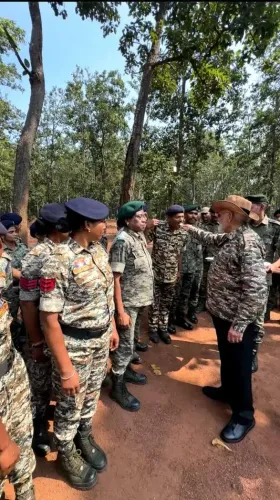
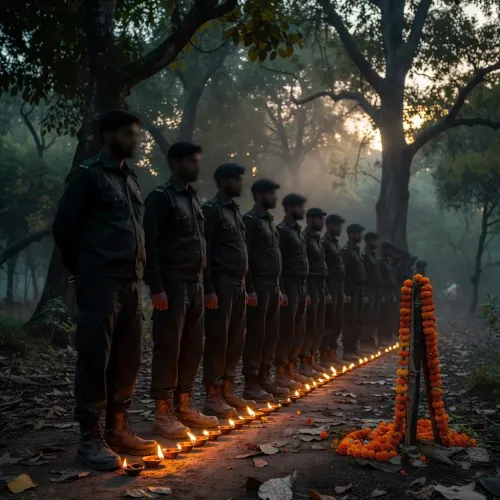
PM Modi visited Bastar, Chhattisgarh on 8 November 2026 to interact with security forces on Diwali .
He stated that eliminating Naxalism 'is not the end of the journey,' urging forces to aim for higher national goals.
Modi cited fulfilled pledges — Article 370 abrogation , household toilets, vaccination expansion — as evidence future goals will also be met.
He reiterated commitments to poverty eradication , a drug-free India , Viksit Bharat , and Atmanirbhar Bharat .
The Prime Minister hailed the sacrifices of security personnel as the foundation for a developed India.
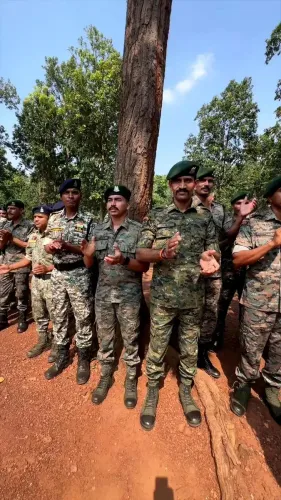
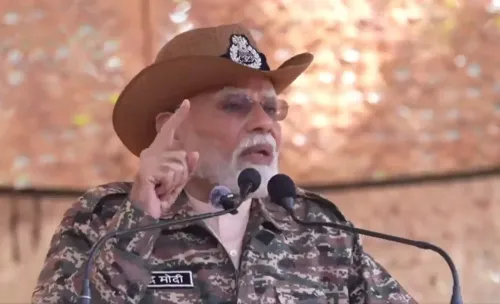
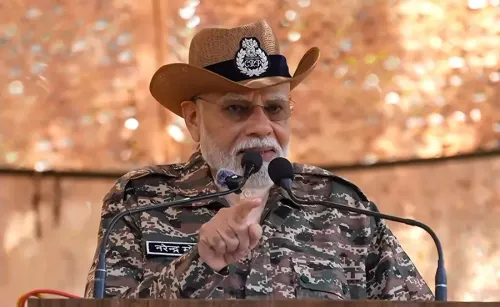
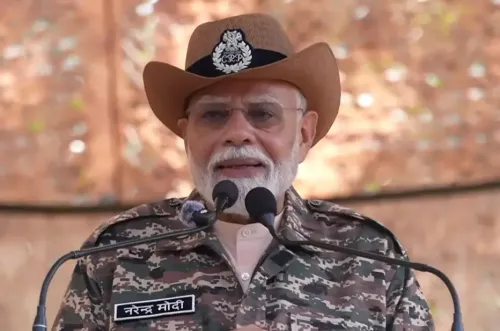
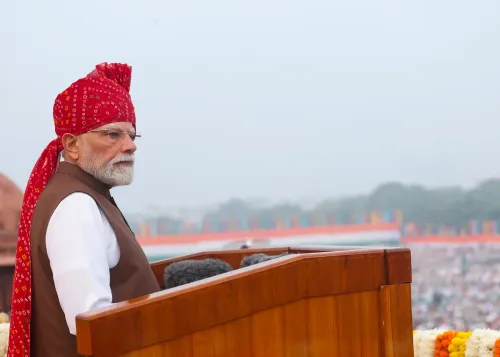
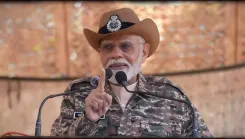
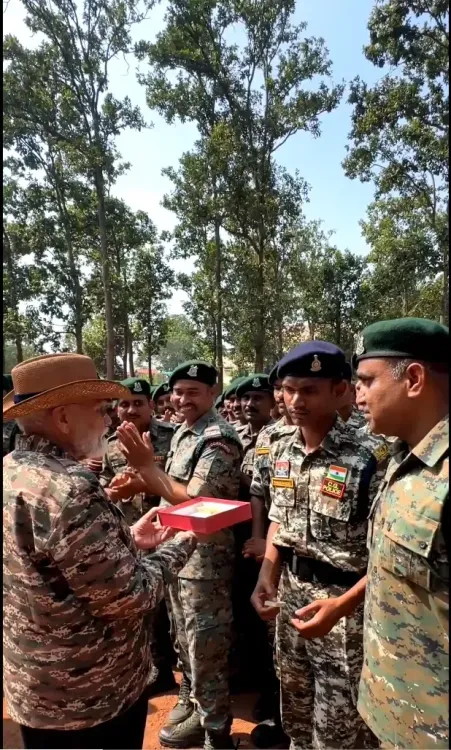
Prime Minister Narendra Modi on 8 November 2026 told security forces personnel in Bastar, Chhattisgarh, that defeating Naxalism is not the final destination for India and that the country still has a long journey ahead. Visiting the region on the occasion of Diwali, Modi urged the forces to treat recent anti-Naxal victories as a launching pad for greater national ambitions, not as an endpoint.
Key Message to Security Forces
'Today's achievements inspire us, but this is not the end of the journey — I repeat, this is not the end,' the Prime Minister said, addressing the personnel directly. He framed the progress against Naxalism and poverty as the first rung of a larger ascent — one that would help realise aspirations that generations of Indians have cherished for centuries.
Modi paid homage to the sacrifices that have brought India to this point, invoking the memory of freedom fighters, soldiers who died defending India's borders, and security personnel who gave their lives fighting Naxalism and terrorism. He recalled the spirit in which those personnel lived: 'May your glory remain eternal, O Mother; whether we remain for a few days or not, may your glory endure forever.'
Past Commitments as Proof of Future Resolve
The Prime Minister drew on a list of previously stated national goals that he said had been fulfilled — including the abrogation of Article 370 in Jammu and Kashmir, the construction of toilets in every household, and the expansion of the national vaccination programme — to reinforce confidence in future pledges.
'Therefore, today, as we speak of eradicating poverty, building a drug-free India, creating a Viksit Bharat and fostering an Atmanirbhar Bharat — rest assured, the nation will achieve these goals as well,' Modi said. The remark signals that the government intends to position the decline of Left-Wing Extremism as one milestone in a broader development narrative, rather than a standalone security achievement.
Significance of the Bastar Visit
Bastar has been one of the most affected districts in India's decades-long conflict with Maoists, and security forces have reported significant operational successes in the region in recent years. Modi's Diwali interaction with personnel there carries both symbolic and strategic weight — reinforcing troop morale while communicating to the public that the state's transformation is an ongoing, government-backed project.
Notably, this comes amid a broader push by the Centre to integrate formerly Naxal-affected areas into mainstream development through infrastructure, employment schemes, and welfare delivery — an approach the government describes as 'development alongside security.'
What Comes Next
The Prime Minister expressed full confidence in the ability of security forces, the youth of India, and all citizens to collectively build a developed nation. He said the sacrifices and hard work of the forces would form the foundation for what he described as a 'magnificent edifice of a developed India.' The visit concluded with Modi extending Diwali greetings to all personnel stationed in the region.
Point of View
Harder-to-verify goals like Viksit Bharat. The comparison with Article 370 and toilet construction is deliberate: it uses concrete past wins to pre-empt scepticism about future promises. What the speech does not address is what metrics will define success in those next-stage goals, or who will independently verify them. As Naxalism recedes as a headline issue, the government's narrative challenge shifts from 'we are winning' to 'winning was just the beginning' — and that is a much harder story to sustain without measurable milestones.
NationPress
8 Nov 2026
Frequently Asked Questions
What did PM Modi say about Naxalism during his Bastar visit?
PM Modi said that the elimination of Naxalism is not the final destination for India and that the country still has a long journey ahead. Speaking to security forces in Bastar on Diwali, he described recent anti-Naxal victories as a foundation for greater national ambitions, not an endpoint.
Why did PM Modi visit Bastar on Diwali?
PM Modi visited Bastar on 8 November 2026 to celebrate Diwali with security forces personnel deployed in the region, one of India's historically most affected areas in the conflict against Left-Wing Extremism. The visit was intended to boost troop morale and underscore government commitment to the region's transformation.
What national goals did PM Modi mention alongside ending Naxalism?
Modi cited poverty eradication, building a drug-free India, achieving Viksit Bharat, and fostering Atmanirbhar Bharat as the next set of goals the nation must pursue. He expressed confidence that all these would be achieved, drawing a parallel with past commitments like the abrogation of Article 370 and the household toilet programme.
How did PM Modi justify confidence in future goals being met?
The Prime Minister pointed to previously stated national commitments that he said had been fulfilled — the abrogation of Article 370 in Jammu and Kashmir, construction of toilets in every household, and expansion of the vaccination drive — as evidence that India can deliver on its current pledges.
What is the significance of Modi's Bastar speech for Chhattisgarh?
Bastar has been one of the most conflict-affected districts in India's decades-long struggle against Maoists, and Modi's visit signals that the Centre views recent security gains there as a springboard for deeper development integration. The speech reinforces the government's 'development alongside security' approach for formerly Naxal-affected areas.