PM Modi to Lay Foundation for Semiconductor, REZ Projects in Bhogapuram
Synopsis
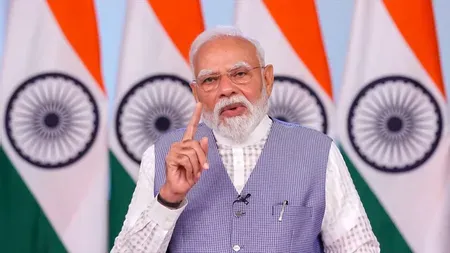
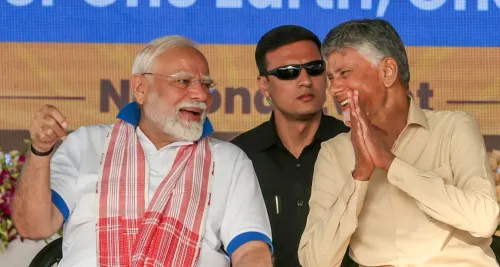
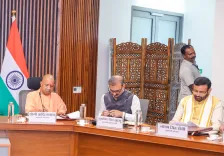
Prime Minister Narendra Modi is set to lay foundation stones for the ASIP Semiconductor Project and the Kurnool-IV REZ Phase-I transmission system at Bhogapuram, and dedicate three Bharatmala highway projects in Andhra Pradesh on August 1, 2026 — combining chip manufacturing, clean energy evacuation, and road connectivity in a single state-level infrastructure push.
Key Takeaways
PM Modi will lay the foundation stone for the ASIP Semiconductor Project in Bhogapuram, Andhra Pradesh on August 1, 2026 .
The groundbreaking aligns with the India Semiconductor Mission (2021) , which provides incentives for domestic chip fabrication and design.
Foundation stone for the Kurnool-IV Renewable Energy Zone Phase-I transmission system will also be laid, enabling power evacuation from a major solar-wind hub.
Three highway projects under Bharatmala Pariyojana will be dedicated to the nation: the Rechcharla–Guruvayigoodem four-lane road and Guruvayigoodem–Devarapalli section on NH-365BG , and the Tadipathri Bypass on NH-67 .
Andhra Pradesh is receiving coordinated central investment across semiconductor manufacturing, renewable energy infrastructure, and national highway connectivity.
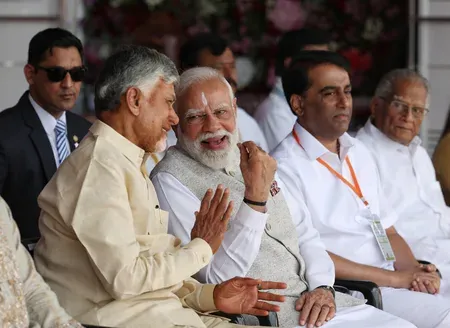
Three infrastructure pillars — chips, clean power, and highways — converge in Andhra Pradesh on Saturday, August 1, 2026, as Prime Minister Narendra Modi is set to lay foundation stones and dedicate key national projects at Bhogapuram. The announcements span the full arc of India's self-reliance agenda: from cutting-edge semiconductor manufacturing to renewable energy evacuation and four-lane highway connectivity.
A Semiconductor Footprint in Bhogapuram
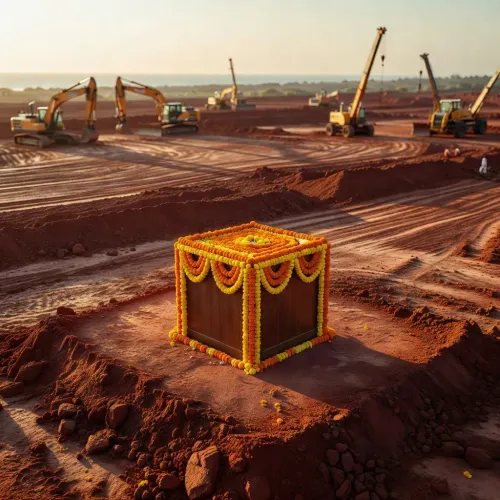
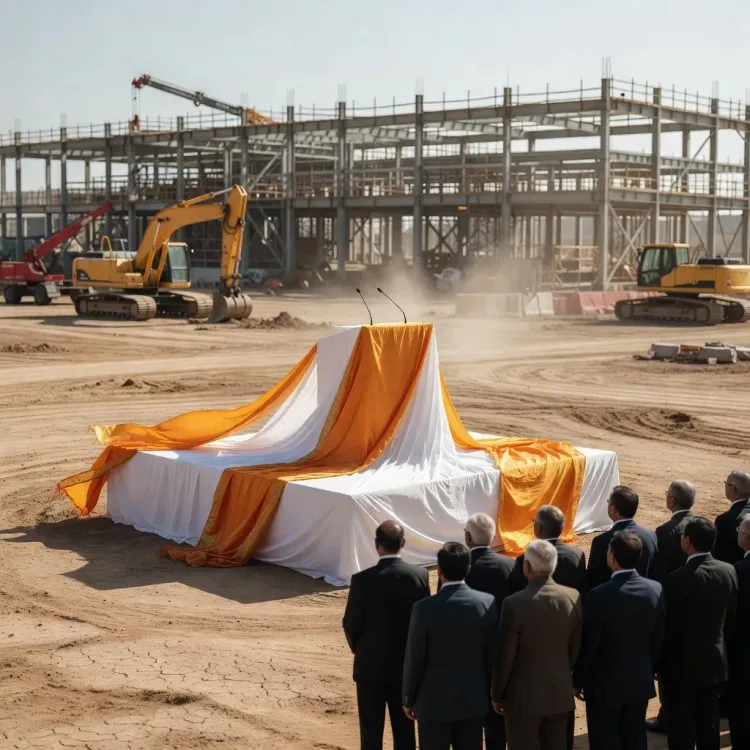
The centrepiece of the visit is the groundbreaking for the ASIP Semiconductor Project in Bhogapuram. The facility is being established under India's broader push to build domestic chip manufacturing capacity — a strategic imperative that gained formal policy backing with the India Semiconductor Mission, approved in 2021, which offers fiscal incentives to attract fabrication and design investment and reduce the country's heavy dependence on imported semiconductors.
Semiconductors sit at the heart of everything from smartphones to defence electronics. A greenfield unit in Andhra Pradesh would mark a tangible step in translating that mission from policy paper to production floor.
Kurnool REZ: Wiring Renewable Power to the Grid
Modi will also lay the foundation stone for the transmission system supporting the Kurnool-IV Renewable Energy Zone (REZ) — specifically its Phase-I evacuation infrastructure. Kurnool district in Andhra Pradesh has been designated a large-scale renewable energy generation hub as part of national REZ planning, with vast solar and wind potential. The transmission system is the critical missing link: generation capacity is only as useful as the wires that carry power to consumers and industries.
The Phase-I evacuation system, once commissioned, will determine how quickly Kurnool's renewable output can flow into the national grid — a milestone that analysts and energy developers in the state will watch closely.
Four-Lane Corridors and the Tadipathri Bypass
On the roads front, PM Modi will dedicate three highway projects to the nation, all part of the Bharatmala Pariyojana — the central government's flagship highway programme launched in 2017 to build and upgrade national corridors across India.
The projects being handed over include the four-lane road between Rechcharla and Guruvayigoodem on NH-365BG, the Guruvayigoodem–Devarapalli section on the same highway, and the Tadipathri Bypass on NH-67. Together, they improve freight movement and passenger connectivity across a stretch of Andhra Pradesh that links interior districts to coastal and urban centres.
Andhra Pradesh as a Central-State Infrastructure Lab
The single-day programme in Bhogapuram is a snapshot of how the central government is bundling technology manufacturing, clean energy, and road connectivity into coordinated state-level events. Andhra Pradesh has emerged as an active theatre for this model — drawing semiconductor interest, renewable energy zone designations, and Bharatmala allocations simultaneously.
For the state, the convergence of these three sectors in one announcement signals both the depth of central investment and the pressure to deliver on commissioning timelines. The first-phase rollout of the Kurnool REZ transmission system and the ASIP semiconductor unit's construction progress will be the numbers to track.
Point of View
Renewable energy evacuation, and highway connectivity — into a single political-infrastructure event in Andhra Pradesh. The India Semiconductor Mission has struggled to move from incentive framework to ground-level construction; a foundation stone in Bhogapuram, if followed by timely commissioning, would mark a concrete acceleration. The Kurnool REZ transmission investment signals that the Centre is beginning to address the evacuation bottleneck that has long constrained India's renewable capacity additions. Taken together, the event reflects a governance model where states with active central-state coordination pipelines receive bundled announcements — compressing political optics and project momentum into a single visit.
NationPress
15 Sept 2026
Frequently Asked Questions
What is the ASIP Semiconductor Project in Bhogapuram?
The ASIP Semiconductor Project is a chip manufacturing facility being established in Bhogapuram, Andhra Pradesh, under India's Semiconductor Mission, which was approved in 2021 to build domestic fabrication and design capacity and reduce import dependence.
What is the Kurnool Renewable Energy Zone?
The Kurnool Renewable Energy Zone (REZ) is a designated large-scale solar and wind generation hub in Kurnool district, Andhra Pradesh. The Phase-I transmission system, whose foundation stone PM Modi will lay, is the power evacuation infrastructure needed to connect this generation capacity to the national grid.
Which highway projects will PM Modi dedicate in Andhra Pradesh?
PM Modi will dedicate three projects: the four-lane Rechcharla–Guruvayigoodem road on NH-365BG, the Guruvayigoodem–Devarapalli section on NH-365BG, and the Tadipathri Bypass on NH-67 — all under the Bharatmala Pariyojana highway programme.
What is Bharatmala Pariyojana?
Bharatmala Pariyojana is the central government's flagship national highway development programme, launched in 2017, covering construction, four-laning, and upgrades of national highways across India, including multiple corridors in Andhra Pradesh.
Why is Andhra Pradesh getting so many central infrastructure projects?
Andhra Pradesh has been designated for large-scale renewable energy zones, has attracted semiconductor investment interest under national missions, and has multiple Bharatmala highway corridors under implementation — making it one of the more active states for coordinated central-state infrastructure delivery.