PM Modi: India's strength lies in self-reliance and manufacturing

Synopsis
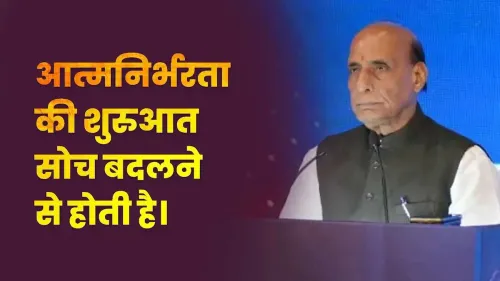
Prime Minister Narendra Modi on 21 June 2026 declared that India's strength lies in self-reliance, asserting that the day India becomes a maker nation, it will also become a decisive global force — reaffirming the core logic of Atmanirbhar Bharat and Make in India.
Key Takeaways
PM Modi posted on 21 June 2026 that India's identity and strength are rooted in self-reliance ( aatmanirbharta ).
He directly linked becoming a manufacturing nation to gaining decisive ( nirnayak ) geopolitical agency.
The statement reinforces two flagship programmes: Make in India (launched September 2014 ) and Atmanirbhar Bharat Abhiyan (launched May 2020 ).
Production Linked Incentive (PLI) schemes across more than a dozen sectors are the primary policy instruments driving this agenda.
The MSME sector and domestic manufacturers are identified as central stakeholders in India's self-reliance push.
Upcoming PLI disbursements and manufacturing export data will serve as key indicators of policy progress.
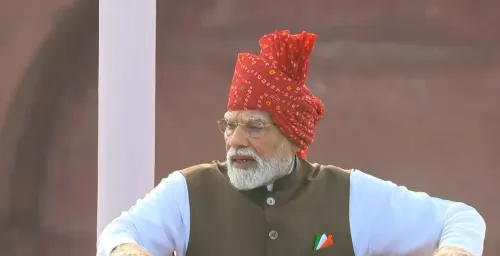
Prime Minister Narendra Modi on Sunday, 21 June 2026, posted a pointed message on X reaffirming that India's true power rests in self-reliance, declaring that the day India becomes a maker, it will also become a decisive force in global affairs.
In his post, PM Modi wrote in Hindi: 'Bharatvarsh ki shakti ki pehchaan aatmanirbharta mein hai aur jis din hum nirmata honge, us din nirnayak bhi honge' — translating to: 'The identity of India's strength lies in self-reliance, and the day we become makers, that day we will also be decisive.'
Context
The statement arrives as India continues to position itself as a global manufacturing powerhouse. PM Modi's framing ties economic production directly to geopolitical agency — a theme that has defined his government's economic messaging since 2020. The post accompanied a video, the contents of which were not independently detailed in the post itself.
The choice of the word nirnayak (decisive) is deliberate: it signals that manufacturing capacity is not merely an economic goal but a prerequisite for strategic sovereignty — the ability to shape outcomes rather than be shaped by them.
Policy Backdrop
The post echoes two flagship programmes. The Make in India campaign, launched in September 2014, was designed to attract investment and raise the share of manufacturing in India's GDP. The Atmanirbhar Bharat Abhiyan, announced in May 2020 with a multi-trillion-rupee economic package, added a sharper focus on supply-chain resilience and reducing import dependence across critical sectors.
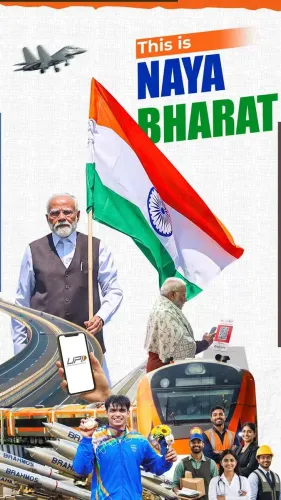
Together, these initiatives rest on five policy pillars — economy, infrastructure, technology-driven systems, vibrant demography, and demand — and have since been extended through Production Linked Incentive (PLI) schemes across more than a dozen priority sectors, from semiconductors and pharmaceuticals to textiles and electronics.
The post-2020 global context — disrupted supply chains, shifting trade alliances, and heightened scrutiny of single-source dependencies — gave fresh urgency to this agenda. India's ambition to integrate into higher-value segments of global value chains has grown alongside these geopolitical pressures.
Stakeholders and Impact
Domestic manufacturers and the MSME sector stand at the centre of this policy vision. MSMEs account for a significant share of India's employment and export earnings, making their upgrade into competitive, technology-enabled producers central to the self-reliance narrative.
For larger industry, the signal reinforces the government's intent to sustain incentive structures that reward domestic value addition over import substitution alone. Investors tracking India's manufacturing trajectory will watch upcoming PLI rollout updates and quarterly manufacturing and export data releases as concrete indicators of progress.
What's Next
The message sets a clear benchmark: manufacturing capacity as a measure of national decisiveness. Observers will look for policy follow-through in the form of PLI scheme disbursements, export competitiveness data, and any forthcoming announcements on easing the regulatory environment for domestic producers.
If India sustains its manufacturing momentum, the government's argument — that economic self-reliance and geopolitical agency are inseparable — will face its most meaningful test in trade negotiations, defence procurement choices, and technology partnerships in the months ahead.
Point of View
He frames manufacturing not as a development goal but as a sovereignty imperative — a framing that resonates in a global environment marked by supply-chain nationalism. The message also serves an internal political function, reminding domestic industry and the MSME base that the government's strategic intent remains aligned with their growth. With global trade architecture under stress, this kind of messaging positions India's self-reliance push as a response to structural global shifts rather than mere economic nationalism.
NationPress
19 Sept 2026
Frequently Asked Questions
What did PM Modi say about self-reliance on 21 June 2026?
PM Modi posted on X on 21 June 2026 that India's strength lies in self-reliance and that the day India becomes a maker nation, it will also become decisive — linking manufacturing capacity directly to geopolitical agency.
What is Atmanirbhar Bharat Abhiyan?
Atmanirbhar Bharat Abhiyan is a self-reliance initiative announced by the Indian government in May 2020 with a large economic package focused on five pillars including infrastructure, demand, and supply-chain resilience to reduce import dependence.
What is the Make in India programme?
Make in India is a campaign launched in September 2014 to position India as a global manufacturing destination, attract investment, and raise the share of manufacturing in India's GDP.
What are PLI schemes and how do they relate to Modi's self-reliance push?
Production Linked Incentive (PLI) schemes offer financial incentives to domestic manufacturers in priority sectors such as semiconductors, pharmaceuticals, and electronics, and are the primary policy tool for translating the Atmanirbhar Bharat vision into measurable manufacturing growth.
Why does PM Modi link manufacturing to being 'decisive'?
PM Modi's framing reflects the view that a country that produces its own goods — especially in critical sectors — gains the strategic autonomy to make independent economic and geopolitical decisions rather than being dependent on foreign supply chains.