Modi's exam leak crackdown: Fast-track courts and reform push signal lasting change
Synopsis
PM Modi's announcement of fast-track courts for exam paper leak cases is the Centre's sharpest response yet to a crisis that has put millions of students on the streets. But with political parties turning the agitation into a turf war, the harder question is whether India can move from punitive gestures to the structural educational overhaul that experts say is long overdue.
Key Takeaways
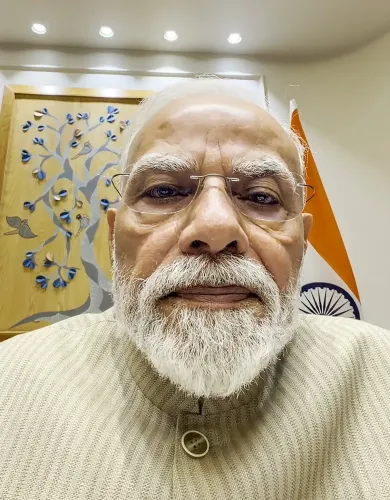
PM Modi announced fast-track courts to prosecute those responsible for examination paper leaks, warning culprits 'will not be spared.' In a post on X , Modi stated: 'Nothing is more important than the welfare and future of our youth!' The student agitation has exposed structural fractures in India's national-level examination systems, with protests in multiple cities.
Education experts argue reforms must go beyond courts — including curriculum overhaul, reduced rote learning, and expanded university capacity.
Critics warn that political parties are converting a national emergency into a partisan tug-of-war, delaying substantive action.
Prime Minister Narendra Modi has moved to address India's deepening examination integrity crisis, announcing the establishment of fast-track courts to ensure swift punishment for those involved in paper leaks, and warning that those who 'try to harm the future of our youth will not be spared.' The intervention comes as student agitations over systemic exam fraud have escalated into a broader political confrontation, exposing structural fractures in the country's national-level testing architecture.
What the Government Has Announced
In a post on social media platform X, PM Modi declared, 'Nothing is more important than the welfare and future of our youth!' — underlining what the administration has framed as a core national priority. He confirmed that government officials have been directed to take all necessary steps to restore examination integrity.
The fast-track courts announced by Modi are designed to expedite trials of serious and long-pending cases, a mechanism previously deployed for sexual offences and crimes against vulnerable groups. Their application to organised examination fraud syndicates marks a significant escalation in the Centre's response.
The Scale of the Crisis
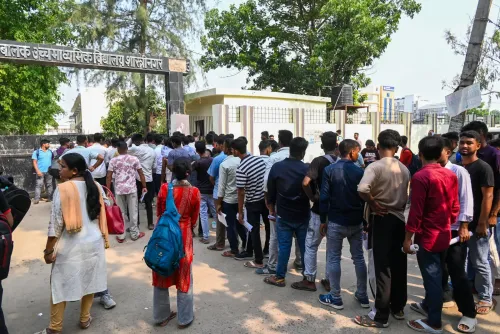
For decades, students across India have invested years of preparation and their families' savings into national-level competitive examinations, only to see results compromised by paper leaks, corruption, and systemic vulnerabilities. The ongoing youth agitation, critics argue, is not merely a reaction to a single incident but a culmination of long-standing grievances over a high-stakes, high-pressure testing culture that rewards access over merit.
What began as demands for accountability has, according to observers, been overtaken by a political tug-of-war, with parties across the spectrum staking out positions rather than negotiating solutions — heightening tension and, in some instances, leading to street clashes.
Reforms Called For Beyond the Courts
Experts and education analysts have long argued that punitive measures alone cannot resolve the crisis. India's examination system, they contend, is symptomatic of a broader educational model that has historically prioritised rote memorisation over critical thinking, creativity, and analytical skills.
Calls for reform include significant capacity expansion and quality upgrades at universities and colleges, so that the intense pressure concentrated on a small number of premium institutions is redistributed. According to education specialists, when quality higher education and vocational pathways become more widely and equitably available, the destructive high-stakes character of entrance examinations will naturally diminish.
Political Dimension and the Road Ahead
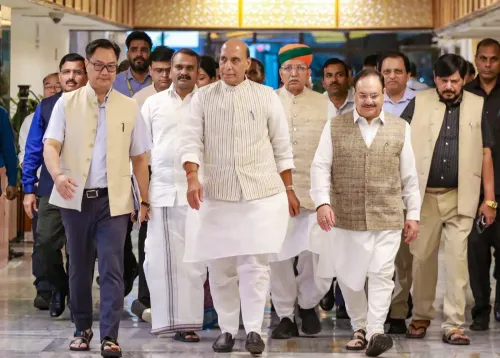
The agitation has drawn in parties across the political spectrum, each advancing their own narratives, which analysts say risks reducing a genuine national emergency to electoral point-scoring. Observers note that the youth crisis should be treated as a historic opportunity for structural reform, not a political liability or tool.
Modi's public commitment to justice and youth welfare is widely seen as an acknowledgement of the gravity of the situation, sending a signal that the administration recognises the anxiety of young citizens over their academic and employment futures. The real measure of that commitment, however, will be whether intent translates into transparent testing protocols, independent accountability mechanisms, and a modernised educational framework that genuinely rewards merit.
With fast-track courts now in motion and reform pressure mounting from the streets, the coming months will test whether India's response to the exam leak crisis marks a genuine inflection point or another cycle of promises unfulfilled.
Point of View
But they address the symptom, not the disease. India's examination crisis is rooted in a scarcity architecture — too few quality institutions chasing too many aspirants — that no judicial mechanism can fix. The political class's instinct to weaponise student anger rather than resolve it is itself a measure of how far accountability has eroded. Unless the Centre pairs punitive action with verifiable, time-bound structural reforms — expanded university capacity, competency-based assessment, independent oversight of exam bodies — this intervention risks becoming another headline without a follow-through.
NationPress
21 Oct 2026
Frequently Asked Questions
What action has PM Modi announced on exam paper leaks?
PM Modi has announced the establishment of fast-track courts to ensure swift and stringent punishment for those involved in examination paper leaks. He also directed government officials to take all necessary steps and warned that those who harm students' futures 'will not be spared.'
Why are students protesting over exam paper leaks in India?
Students are agitating because systemic paper leaks and corruption in national-level competitive examinations have repeatedly compromised results, rendering years of preparation and significant family expenditure futile. The protests reflect long-standing demands for accountability and structural reform of the testing system.
What reforms do experts say are needed beyond fast-track courts?
Education experts argue India must shift from rote memorisation to critical thinking and analytical skills in its curriculum, significantly expand university and college capacity, and improve the quality of higher education and vocational pathways. These changes, they say, would reduce the destructive high-stakes pressure of current entrance examinations.
How has the exam leak crisis become a political issue?
Parties across the political spectrum have staked out competing positions on the agitation, with critics arguing that political point-scoring has overtaken genuine problem-solving. Observers contend the crisis should be treated as a national emergency and a historic opportunity for reform, not a partisan liability.
What are fast-track courts and how will they help?
Fast-track courts are specialised judicial bodies designed to expedite trials of serious and long-pending cases. Previously used for sexual offences and crimes against vulnerable groups, their application to organised examination fraud syndicates is intended to deliver quicker convictions and act as a deterrent.