PM Modi Highlights Homoeopathy's Integral Role in India's Viksit Bharat Initiative
Synopsis
On World Homoeopathy Day, PM Modi emphasizes the essential role of homoeopathy in India's healthcare system, advocating for its inclusion in the vision for a developed India. The government's commitment to expanding this alternative medicine is evident in its growing global acceptance.
Key Takeaways
Homoeopathy is vital in India's healthcare landscape.
It promotes a holistic approach to health.
Government supports its integration into health programs.
Strong community ties enhance its effectiveness.
Homoeopathy is gaining global acceptance .
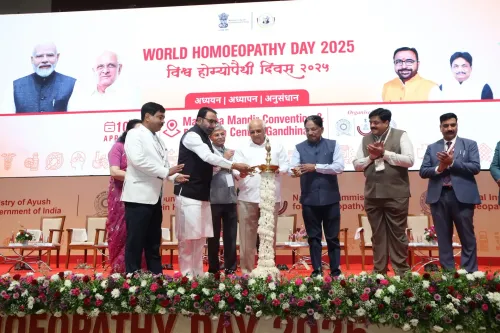
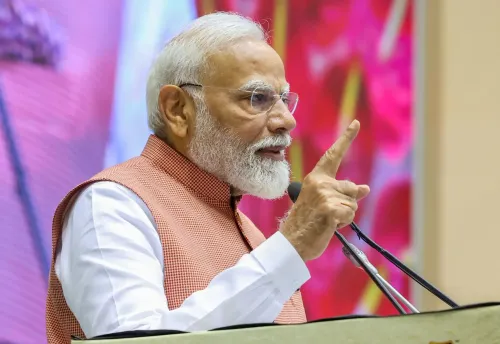
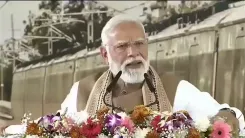
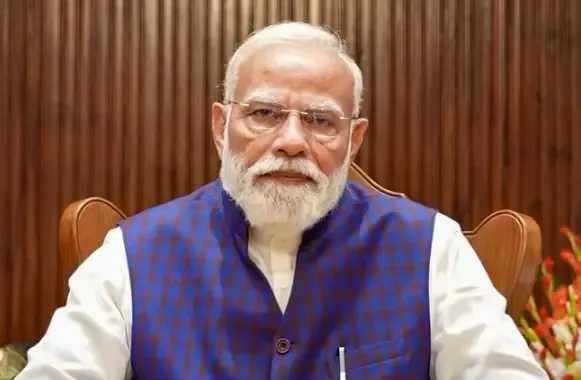
New Delhi, April 10 (NationPress) Prime Minister Narendra Modi emphasized the significance of homoeopathy in India’s healthcare framework during a discussion on World Homoeopathy Day, sharing insights from Ayush Minister Prataprao Jadhav.
In his message on X, the Prime Minister remarked that the article illustrates how homoeopathy has transformed into a vital aspect of India’s diverse health and wellness system, promoting a holistic and patient-focused methodology.
He pointed out that the strong community bonds and sustainable practices of homoeopathy can play a crucial role in realizing the vision of a “Viksit Bharat”.
Furthermore, Jadhav mentioned, “When countless patients discover hope through homoeopathy daily, it validates the unwavering trust of the Indian populace in this system for addressing their health challenges.”
Additionally, the government has acknowledged the rising global acceptance of homoeopathy, particularly in community health and public health initiatives.
Efforts have been made to broaden its reach via evidence-based practices, enhanced accessibility, and integration into national health strategies.
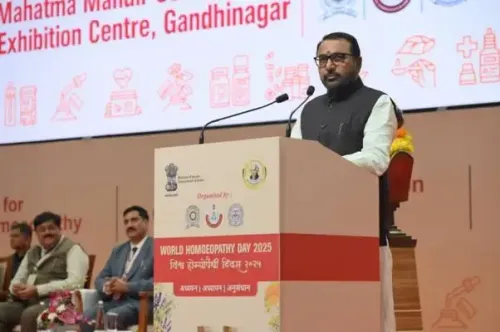
On this occasion, Vaidya Rajesh Kotecha, Ayush Secretary, underscored the collaboration among traditional systems like Ayurveda, Siddha, Unani, and homoeopathy, highlighting their common aim of nature-based and patient-centric healing.
He further noted that homoeopathy has proven effective in managing both chronic and infectious diseases, including during the Covid-19 pandemic, while technological advancements like ‘Aura’ and ‘AYUSH ID’ are enhancing accessibility and transparency in healthcare delivery.
Introduced in India during the early 19th century, homoeopathy has evolved into a significant segment of the country’s alternative medicine landscape.
According to governmental statistics, India currently boasts approximately 3.45 lakh registered homoeopathy practitioners, over 8,500 dispensaries, 277 educational institutions, and 34 research centers.
Point of View
The emphasis on homoeopathy by Prime Minister Modi showcases a commitment to integrating alternative medicine into mainstream healthcare. This approach not only respects India's diverse medical traditions but also seeks to enhance patient care and accessibility. It's a strategic move towards a more holistic healthcare system.
NationPress
16 Oct 2026
Frequently Asked Questions
What is homoeopathy?
Homoeopathy is a system of alternative medicine that uses highly diluted substances to stimulate the body's natural healing processes.
How has homoeopathy evolved in India?
Introduced in the early 19th century, homoeopathy has become a significant part of India's alternative medicine ecosystem, with a growing number of practitioners and facilities.
What role does homoeopathy play in public health?
Homoeopathy is increasingly recognized for its effectiveness in community healthcare and public health interventions, promoting a holistic approach to wellness.
How is the government supporting homoeopathy?
The government is expanding the reach of homoeopathy through evidence-based practices, improved accessibility, and integration into national health programs.
What are the benefits of homoeopathy?
Homoeopathy offers a patient-centric approach, is effective for chronic and infectious diseases, and is based on natural healing principles.