PM Modi Credits Rail Electrification for Shielding India from Oil Crisis
Synopsis
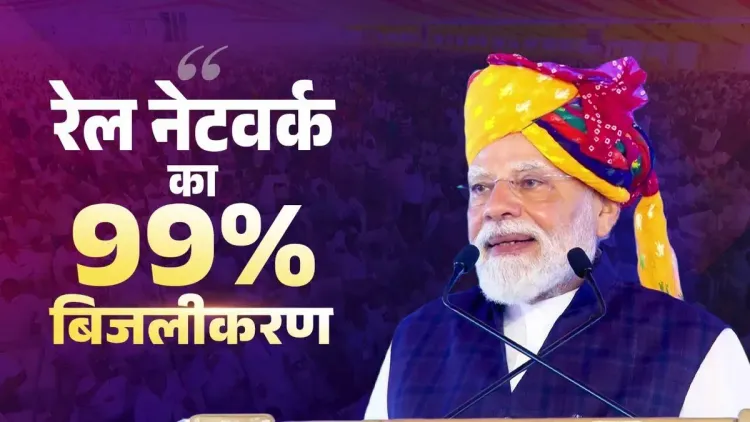
Prime Minister Narendra Modi on 17 July 2026 credited post-2014 railway electrification for protecting India's rail network from global oil-price disruption, saying proactive policy decisions have delivered ground-level results the country can now see.
Key Takeaways
PM Modi posted on 17 July 2026 that India's railways would have been paralysed by the global oil crisis had pre-2014 conditions persisted.
The government identified railway electrification as a strategic priority after May 2014 to cut dependence on imported diesel.
A target for 100% broad-gauge electrification by 2023 was set — a pace far exceeding pre-2014 progress.
Shifting to electric traction structurally reduces Indian Railways' exposure to global oil-price volatility and eases foreign-exchange pressure.
Rail passengers and freight operators are the primary beneficiaries, with more stable logistics costs downstream.
Upcoming Railway Budget updates on electrification completion percentages will be the key policy benchmark to watch.
Prime Minister Narendra Modi on Friday, 17 July 2026, credited his government's early push on railway electrification for insulating India's rail network from the impact of the ongoing global oil crisis, arguing that proactive policy decisions taken after 2014 have now delivered visible results on the ground.
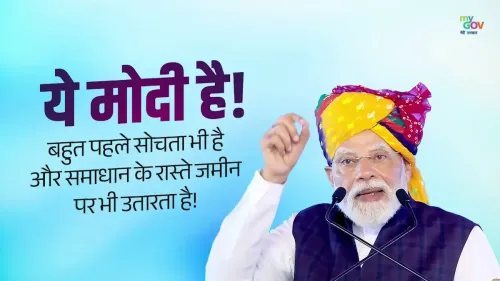
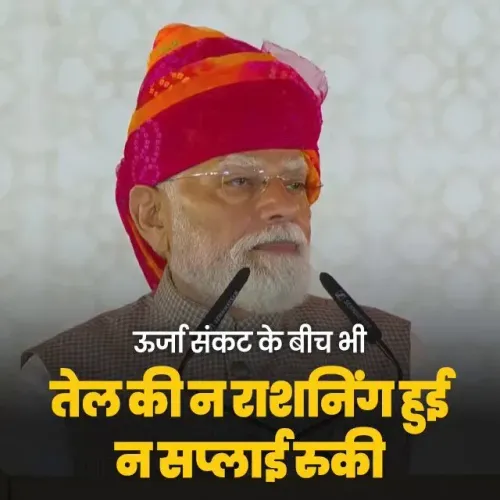
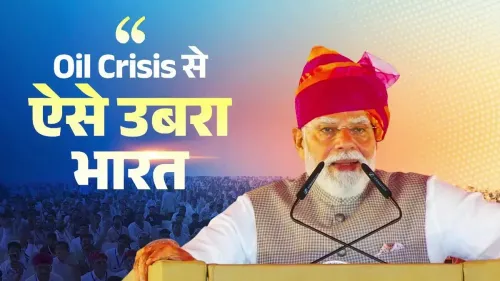
Posting in Hindi on X, the Prime Minister wrote: 'Aaj agar 2014 se pehle ki sthiti hoti toh vaishvik tel sankat se Bharat ki rail vyavastha thap pad jaati' — 'If today's situation were like it was before 2014, the global oil crisis would have brought India's rail system to a standstill.' He added that his government 'thinks far ahead and also delivers solutions on the ground, the positive results of which the country is witnessing.'
Context
The post comes against the backdrop of renewed global oil-price volatility that has placed pressure on energy-import-dependent economies. Indian Railways, one of the largest rail networks in the world, historically ran a significant share of its operations on diesel traction, making it acutely vulnerable to fluctuations in international crude prices. The Prime Minister's remarks frame the current situation as a stress test that pre-2014 infrastructure would have failed.
The post was accompanied by a video, the contents of which could not be independently verified at the time of publication.
Policy Backdrop
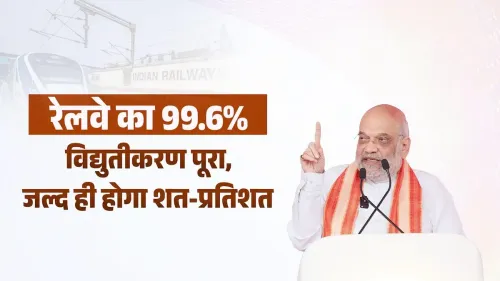
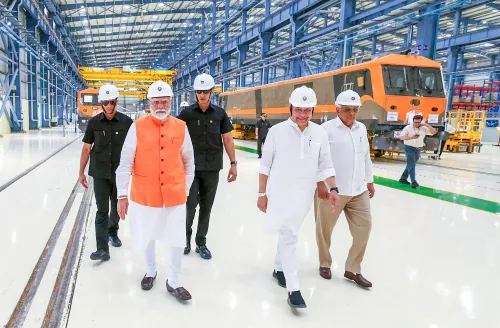
After taking office in May 2014, the Modi government identified railway electrification as a strategic priority to reduce dependence on imported diesel and improve energy security. The Ministry of Railways set an accelerated target for 100% broad-gauge electrification by 2023, a pace significantly faster than the progress recorded in the preceding decade.
The electrification drive forms part of a broader infrastructure push that has included rolling-stock modernisation, capacity expansion, and the development of Dedicated Freight Corridors. By shifting traction from diesel to electricity — much of it generated domestically — the network's exposure to global oil-price shocks has been structurally reduced. This aligns with wider energy-security and sustainability objectives that have run as a thread through the government's infrastructure agenda since 2014.
Stakeholders and Impact
Rail passengers and freight operators across the country stand as the primary beneficiaries of an electrified network that is less susceptible to fuel-cost spikes. For freight operators in particular, stable traction costs translate into more predictable logistics pricing, with downstream effects on supply chains and commodity prices.
From an energy-security standpoint, reducing the railways' diesel bill also eases pressure on India's foreign-exchange reserves at a time when global oil markets are under stress. The shift to electric traction additionally supports the country's broader commitments on emissions reduction.
What's Next
Parliamentary updates on the precise percentage of electrification completed, and any fresh targets to be announced in the next Railway Budget, will be closely watched as benchmarks of the programme's progress. The government's ability to point to concrete electrification figures will determine how effectively the political argument embedded in the Prime Minister's post translates into verifiable policy achievement.
As global oil markets remain unsettled, the pace of any remaining electrification work — and the resilience of electricity supply to the rail grid — will be critical factors in sustaining the insulation the government claims to have built.
Point of View
The government seeks to convert a technical achievement into a political dividend at a moment of international economic stress. The argument is structurally sound: a more electrified network is genuinely less exposed to diesel-price shocks, though the precise degree of insulation depends on electrification completion rates that remain subject to parliamentary scrutiny. The timing also signals that energy security — not just connectivity or speed — will be a central theme in the government's infrastructure messaging going forward.
NationPress
16 Oct 2026
Frequently Asked Questions
Why is PM Modi talking about railways and the oil crisis?
PM Modi argued on 17 July 2026 that India's post-2014 railway electrification programme has insulated the rail network from the current global oil crisis, which would have caused severe disruptions under the diesel-dependent system that existed before 2014.
How has Indian Railways reduced its dependence on diesel?
Since 2014, the government accelerated a broad-gauge electrification programme with a target of 100% electrification by 2023, shifting traction from imported diesel to domestically generated electricity and thereby reducing exposure to global oil-price fluctuations.
What was the state of Indian Railways electrification before 2014?
Before 2014, electrification progress was significantly slower, leaving a large share of the network dependent on diesel traction and therefore vulnerable to international crude-price volatility.
Who benefits from Indian Railways being electrified?
Rail passengers benefit from more reliable and cost-stable services, while freight operators gain more predictable logistics pricing; the broader economy benefits through reduced pressure on foreign-exchange reserves from lower diesel imports.
What should we watch next on Indian Railways electrification?
Parliamentary updates on the exact percentage of broad-gauge electrification completed and any new targets announced in the next Railway Budget will be the key indicators of how far the programme has progressed.