PM Modi Tables Seven Proposals at ASEAN-India Summit in Manila
Synopsis
At the ASEAN-India Summit in Manila, PM Modi tabled seven proposals including a Long-Term Maritime Cooperation Plan, a Joint Cyber Forensics Training Programme, nuclear energy exchanges, a space hackathon, a critical-minerals mechanism, youth exchanges, and a creative pavilion at WAVES — the most specific package India has offered ASEAN as the partnership nears its 35th year.
Key Takeaways
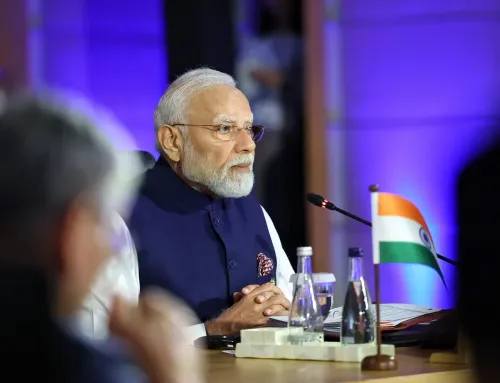
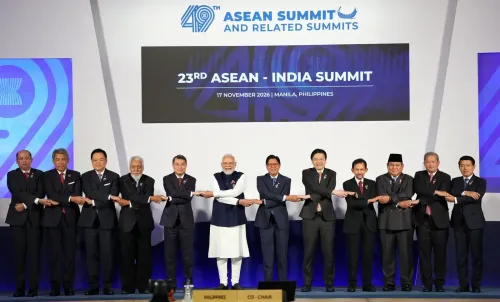
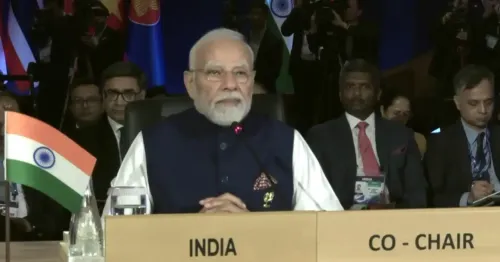
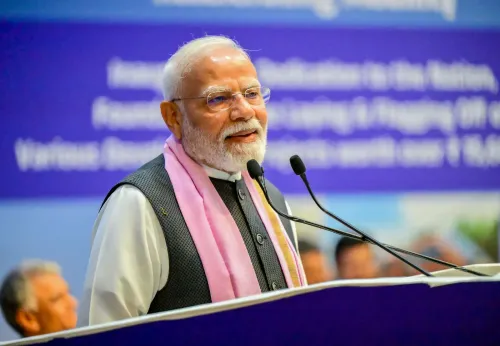
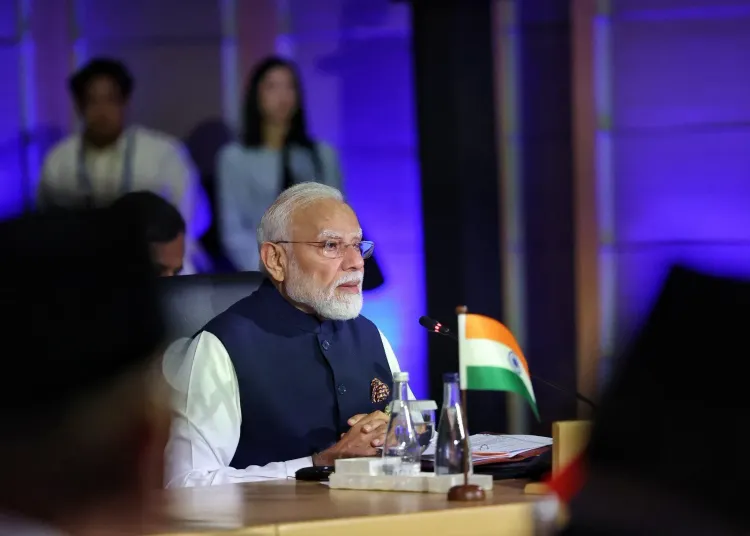
PM Narendra Modi addressed the ASEAN-India Summit in Manila on 17 November 2026 , tabling seven new cooperation proposals.
A Long-Term Maritime Cooperation Plan will cover connectivity, research, disaster management and maritime security across the Indo-Pacific region.
A Joint Cyber Forensics Training Programme targets the growing threat of cross-border cyber fraud and online scams affecting the region.
ASEAN-India Nuclear Energy Technical Exchanges and an ASEAN-India Space Hackathon bring frontier technology explicitly into the bilateral framework.
A Joint Mechanism on Mining and Critical Minerals aims to build resilient supply chains for lithium, cobalt and rare earths.
Youth-focused initiatives — a Youth Summit , Young Parliamentarians Exchange , Startup Hackathon and a Creative Partnership Pavilion at WAVES — target people-to-people and industry ties.
Seven concrete proposals, one unmistakable signal: Prime Minister Narendra Modi used the ASEAN-India Summit in Manila on Tuesday, 17 November 2026 to push the Comprehensive Strategic Partnership well beyond trade corridors and into the hard domains of maritime security, cyber defence, space technology, critical minerals, and nuclear energy.
From Dialogue Partner to Comprehensive Partner: 35 Years of Momentum
The relationship that began in 1992 when India became a sectoral dialogue partner of ASEAN has been upgraded twice since — to a Strategic Partnership in 2012 and to a Comprehensive Strategic Partnership in 2022, at the bloc's 30-year dialogue anniversary. With the 35-year milestone now in view, Modi arrived in the Philippine capital with a full policy menu rather than a valedictory speech.
India's Act East Policy, anchored since 2014, has steadily widened the aperture of this engagement — from preferential tariffs and connectivity corridors to security, digital infrastructure and now supply-chain resilience. The Manila proposals are the logical next layer.
The Seven Proposals: What Modi Actually Put on the Table
The centrepiece is a Long-Term Maritime Cooperation Plan spanning connectivity, research, disaster management and maritime security — a cluster of concerns that goes to the heart of Indo-Pacific stability and freedom of navigation. Alongside it, Modi proposed a Joint Cyber Forensics Training Programme to tackle the surge in cross-border cyber fraud and online scams that have hit citizens across the region.
Two proposals bring frontier technology explicitly into the ASEAN frame: ASEAN-India Nuclear Energy Technical Exchanges to explore affordable civil nuclear options, and an ASEAN-India Space Hackathon targeting agriculture and natural-resource management — areas where satellite data can deliver outsized gains for developing economies in the bloc. A Joint Mechanism on Mining and Critical Minerals addresses the supply-chain diversification imperative that has become a strategic priority for every major power since the semiconductor and rare-earths disruptions of the mid-2020s.
The final two proposals invest in people rather than infrastructure. A Youth Summit, a Young Parliamentarians Exchange, and a Startup Hackathon target the next generation of ASEAN-India links. And an ASEAN-India Creative Partnership Pavilion at WAVES — India's World Audio Visual Entertainment Summit — would bring together the region's film, gaming, music and animation industries under a single collaborative umbrella.
ASEAN Centrality and the Wider Indo-Pacific Play
Modi closed with a phrase that carries deliberate diplomatic weight: 'ASEAN centrality at its heart.' The formulation is not rhetorical filler. It signals that India does not seek to displace or rival ASEAN-led regional architecture — a posture that distinguishes New Delhi's approach from more assertive external actors in the Indo-Pacific. By consistently endorsing ASEAN's convening role, India has positioned itself as a partner that enlarges the bloc's strategic space rather than constraining it.
The critical-minerals mechanism deserves particular attention. As global supply chains for lithium, cobalt and rare earths come under pressure, a joint ASEAN-India framework could give member states negotiating heft and processing alternatives they currently lack — turning a vulnerability into collective leverage.
What Follows the Summit Room
Proposals announced at leader-level summits live or die in the ministerial and senior-officials meetings that follow. The seven initiatives now pass to ASEAN-India working groups and sectoral bodies to be translated into timelines, budgets and legal frameworks. The 35-year anniversary in the coming years gives both sides a natural deadline to show tangible outcomes.
India's diplomatic bandwidth and ASEAN's consensus-based decision architecture will both be tested — but the breadth and specificity of the Manila package leave little room to dismiss the ambition as performative.
Point of View
And that a joint framework gives both sides leverage against external supply-chain chokepoints. By invoking ASEAN centrality, Modi also sends a calibrated message to other Indo-Pacific stakeholders — that India's regional architecture preference is inclusive and multilateral, not bilateral or bloc-displacing. The seven proposals collectively test whether the Comprehensive Strategic Partnership can deepen faster in its fourth decade than it did in its first three.
NationPress
17 Nov 2026
Frequently Asked Questions
What did PM Modi propose at the ASEAN-India Summit in Manila?
PM Modi proposed seven initiatives: a Long-Term Maritime Cooperation Plan, a Joint Cyber Forensics Training Programme, ASEAN-India Nuclear Energy Technical Exchanges, an ASEAN-India Space Hackathon, a Joint Mechanism on Mining and Critical Minerals, youth-focused exchanges and a startup hackathon, and an ASEAN-India Creative Partnership Pavilion at WAVES.
What is the ASEAN-India Comprehensive Strategic Partnership?
It is the highest tier of the formal relationship between India and the ten-nation ASEAN bloc, agreed in 2022 at the 30-year anniversary of dialogue partnership, covering trade, security, connectivity and technology cooperation.
How long have India and ASEAN had formal relations?
India became a sectoral dialogue partner of ASEAN in 1992, making 2026 approximately the 34th year of formal institutional ties. The partnership was upgraded to Strategic in 2012 and to Comprehensive Strategic in 2022.
What is India's Act East Policy and how does ASEAN fit in?
Act East Policy, adopted in 2014, places ASEAN at the core of India's engagement with Southeast and East Asia, expanding cooperation from trade and connectivity into security, digital infrastructure, space and now critical minerals.
What is WAVES and why is it included in the ASEAN-India proposals?
WAVES — the World Audio Visual Entertainment Summit — is India's platform for global collaboration in films, animation, gaming and music. The proposed ASEAN-India Creative Partnership Pavilion at WAVES would use it to deepen cultural and creative-industry ties across the region.