PM Modi at NITI Aayog: Youth empowerment key to Viksit Bharat 2047
Synopsis
At the NITI Aayog Governing Council, Modi framed India's demographic dividend as a now-or-never moment — linking youth skilling and FTA-driven MSME growth directly to the Viksit Bharat 2047 target. The meeting's four-pillar framework and push for measurable state-level outcomes signal a shift from aspirational targets toward accountability-linked delivery.
Key Takeaways
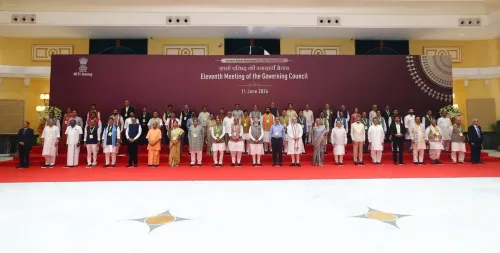
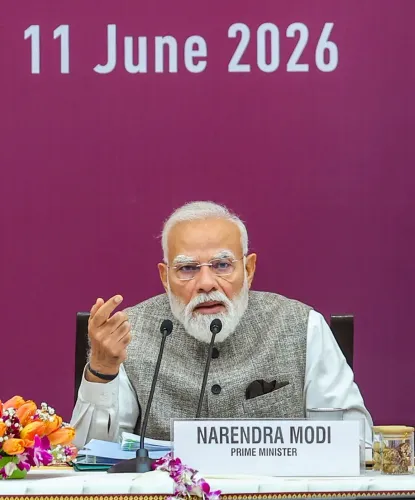
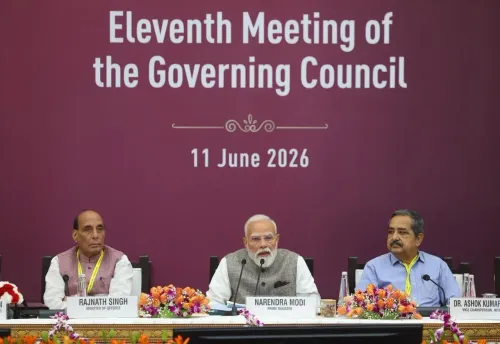
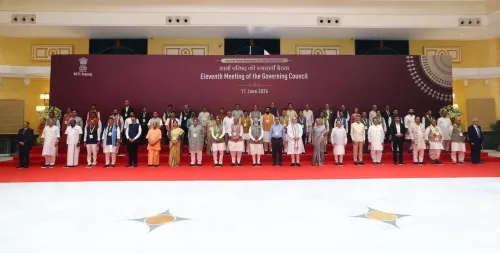
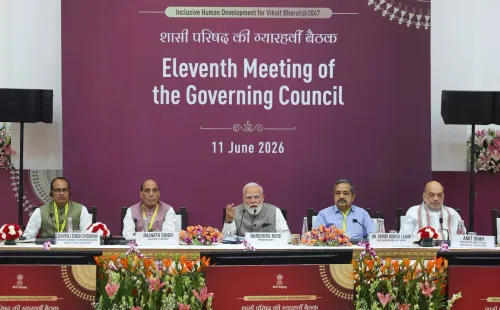
PM Narendra Modi chaired the NITI Aayog Governing Council meeting on 11 June in New Delhi .
The meeting's theme is 'Inclusive Human Development for Viksit Bharat @2047' , focused on equitable development for every Indian.
Modi called India's demographic dividend a 'historic opportunity' , urging quality education, demand-driven skilling, and job creation.
He highlighted that India's Free Trade Agreements offer significant opportunities for MSMEs to enter global markets.
Deliberations are structured around four pillars : human capital, productive employment, health and nutrition, and equity and dignity.
The council is developing an implementation roadmap with Digital Public Infrastructure (DPI) and data-driven accountability mechanisms.
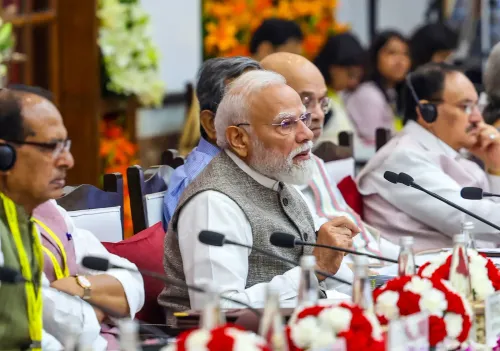
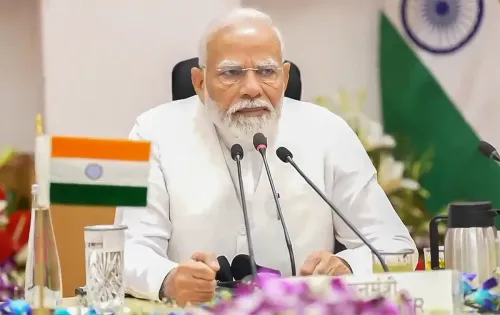
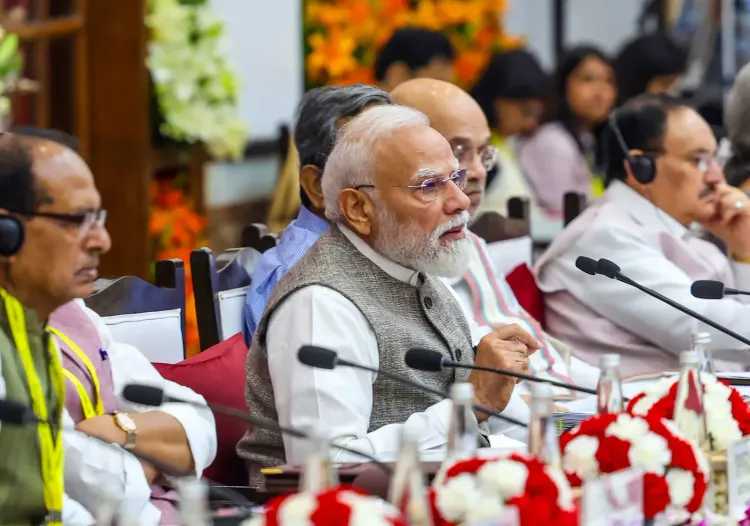
Prime Minister Narendra Modi on Thursday, 11 June underscored that empowering India's youth remains a national priority, describing them as the 'driving force' behind the country's ambition to become a developed nation by 2047. His remarks came while chairing the NITI Aayog Governing Council meeting in New Delhi, themed 'Inclusive Human Development for Viksit Bharat @2047'.
Modi's Core Message on Youth and Demographics
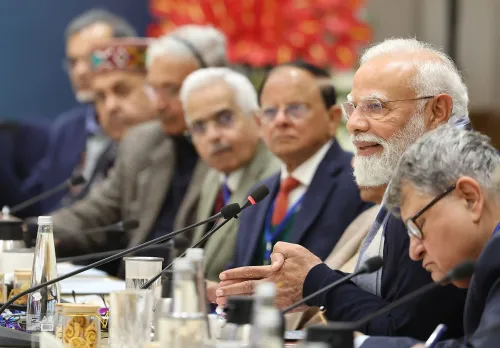
Addressing Chief Ministers, Lt Governors, and Union Ministers assembled as ex-officio members, Modi stressed that India's demographic window must not be squandered. 'India's demographic dividend is a historic opportunity that we cannot afford to lose. Creating the right ecosystem for our youth through quality education, demand-driven skilling, and employment opportunities must remain a priority. Empowered youth will be the driving force behind our journey towards Viksit Bharat,' he said.
The statement signals a continued federal push to align state-level human development strategies with the Centre's overarching 2047 vision — a target that requires sustained double-digit growth and structural reforms across health, education, and labour markets.
Free Trade Agreements and MSME Opportunity
Modi also drew attention to India's expanding trade architecture, noting that the country has signed Free Trade Agreements (FTAs) with several nations to open new export corridors. He specifically flagged the opportunity these agreements present for Micro, Small and Medium Enterprises (MSMEs).
'These agreements also present a significant opportunity for our MSMEs, enabling them to prepare for global markets by adhering to international standards and enhancing competitiveness,' he pointed out. This comes amid India's ongoing FTA negotiations with the European Union and the recently concluded pact with the United Kingdom, both of which carry significant MSME implications.
Cooperative Federalism at the Centre of the Agenda
A recurring theme of the meeting was cooperative federalism — the principle that Centre-state coordination is indispensable to achieving inclusive growth. Modi framed the Governing Council itself as a vehicle for this collaboration.
'Guided by the spirit of cooperative federalism, we are working together to accelerate India's development journey. The collective efforts of the Centre and States will play a pivotal role in realising our shared vision of Viksit Bharat,' he observed.
The council's deliberations are anchored around four pillars: foundational human capital and future-ready skills; productive employment, entrepreneurship, and decentralised growth; health, nutrition, and wellbeing; and equity and dignity for all, according to an official statement.
Implementation Roadmap and Accountability Mechanisms
Beyond vision-setting, the meeting is focused on translating goals into concrete, measurable outcomes. Discussions reportedly cover an implementation roadmap leveraging governance reform, Digital Public Infrastructure (DPI), data-driven systems, and structured partnerships.
A key thrust is aligning individual state visions with the national inclusive human development framework, with a structured mechanism to track short, medium, and long-term outcomes — ensuring accountability at every tier of government. Measures to promote entrepreneurship, enhance skilling, and create sustainable employment opportunities nationwide are also on the agenda.
What Comes Next
The outcomes of this Governing Council session are expected to feed into state-level action plans and central scheme recalibrations in the run-up to the next Union Budget cycle. With 2047 as the north star, the Centre is signalling that human development metrics — not just GDP — will increasingly define India's progress benchmarks.
Point of View
But the shift toward measurable outcomes and state-aligned implementation roadmaps at this Governing Council is worth watching. India's demographic dividend has been invoked for two decades — the window is real, but so is the risk of misalignment between central ambition and state-level execution capacity. The inclusion of DPI and data-driven tracking in the framework suggests a lesson learned from past schemes where disbursements happened but outcomes were never independently verified. Whether Chief Ministers leave with binding commitments or merely good intentions will determine if this meeting is a turning point or another high-profile consultation.
NationPress
20 Sept 2026
Frequently Asked Questions
What was the theme of the NITI Aayog Governing Council meeting on 11 June 2025?
The theme was 'Inclusive Human Development for Viksit Bharat @2047', focusing on the well-being and development of every Indian regardless of age, region, gender, or socio-economic background. The meeting aimed to translate this vision into concrete, measurable outcomes for citizens across the country.
What did PM Modi say about India's youth at the NITI Aayog meeting?
Modi said India's demographic dividend is a 'historic opportunity that we cannot afford to lose' and called for quality education, demand-driven skilling, and employment creation. He described empowered youth as the 'driving force' behind the Viksit Bharat journey.
How do Free Trade Agreements relate to MSMEs, according to Modi?
Modi said India's FTAs present a significant opportunity for MSMEs to prepare for global markets by meeting international standards and improving competitiveness. He framed FTAs as growth enablers, not just trade tools, with direct implications for small businesses.
Who attended the NITI Aayog Governing Council meeting?
The meeting was attended by Chief Ministers of states, Lt Governors of Union Territories, and Union Ministers as ex-officio members, chaired by Prime Minister Narendra Modi.
What are the four pillars of the Inclusive Human Development Framework discussed at the meeting?
The four pillars are: foundational human capital and future-ready skills; productive employment, entrepreneurship, and decentralised growth; health, nutrition, and wellbeing; and equity and dignity for all. These pillars anchor the council's implementation roadmap toward Viksit Bharat 2047.