Did the MP Cabinet Approve a Hike in the Ladli Behna Yojana to Rs 1,500?
Synopsis
In a significant move, the Madhya Pradesh Cabinet has decided to raise the monthly benefit of the Ladli Behna Yojana to Rs 1,500, effective from November 12. This increase reflects the government's commitment to empowering women and supporting the agricultural community. Learn how this initiative could impact millions of beneficiaries across the state.
Key Takeaways
Madhya Pradesh Cabinet has raised the Ladli Behna Yojana payment to Rs 1,500 per month.
Effective from November 12, 2023 , the increase will benefit 1.26 crore women .
The scheme started with a monthly payment of Rs 1,000 and was later increased to Rs 1,250 .
Future plans aim to raise the benefit to Rs 3,000 by 2028 .
The state's agricultural sector is expected to gain from this initiative.
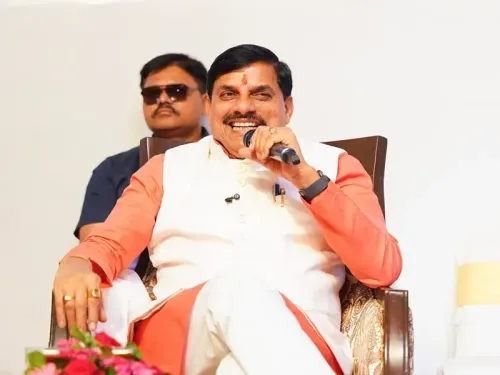
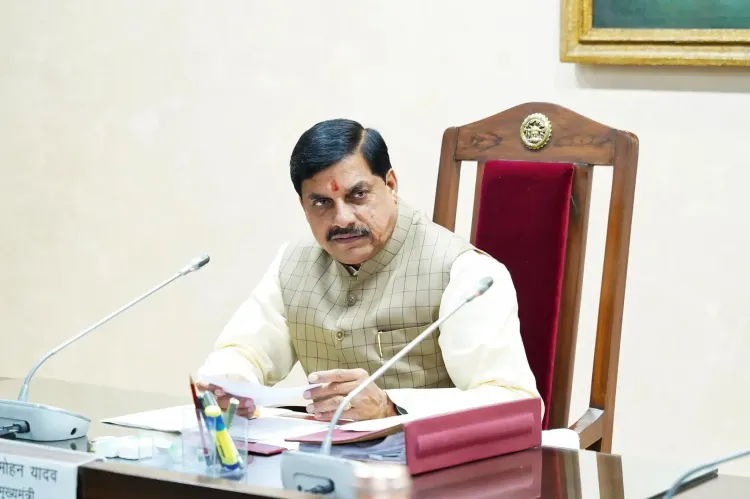
Bhopal, November 10 (NationPress) The Madhya Pradesh Cabinet, under the leadership of Chief Minister Mohan Yadav, has approved an increase in the monthly payment of the Ladli Behna Yojana to Rs 1,500 starting this month.
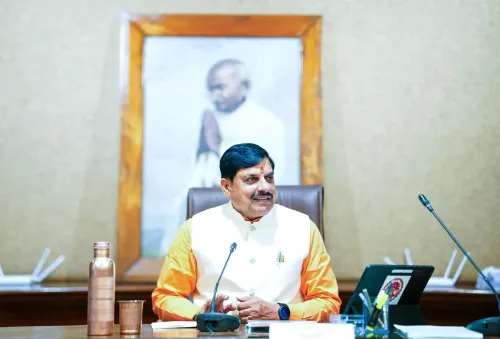
This decision, made during a Cabinet meeting led by Chief Minister Yadav, demonstrates the state government's ongoing commitment to empowering women and aiding the agricultural sector through direct financial assistance.
Madhya Pradesh’s Micro, Small and Medium Enterprises Minister Chaitanya Kashyap informed the media that the Cabinet has agreed to a rise of Rs 250, bringing the total monthly payment to Rs 1,500 from this month.
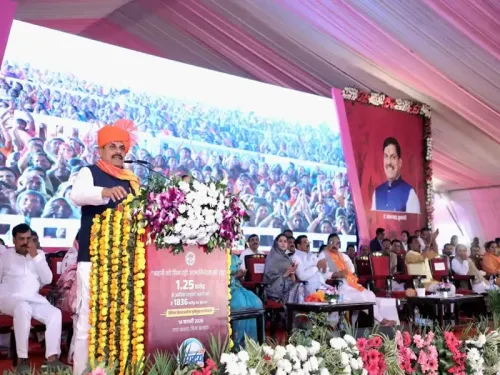
"Chief Minister Mohan Yadav will begin transferring the monthly installments of the Ladli Behna Yojana to 1.26 crore beneficiaries on November 12. Starting this month, beneficiaries will receive Rs 1,500 each month," said Minister Kashyap.
Earlier, Chief Minister Yadav had declared an increase in the monthly benefit of the Ladli Behna Yojana to Rs 1,500 effective November.
Previously, Chief Minister Yadav had announced an additional Rs 250 per beneficiary during the Bhai Dooj festival, which took place on October 23 this year. However, that increase did not take effect at the time.
The Ladli Behna Yojana was launched on June 10, 2023, in Jabalpur by the prior Shivraj Singh Chouhan-led Madhya Pradesh government.
This initiative is viewed as a significant factor in the BJP's decisive victory in the 2023 state Assembly elections.
Originally, the scheme provided a monthly installment of Rs 1,000 to women beneficiaries called 'Ladli Behna', which was subsequently raised to Rs 1,250. Now, starting this month, the government will offer Rs 1,500 each month.
Looking ahead, the state government aims to increase the monthly assistance of this scheme to Rs 3,000 by 2028, just before the next Assembly elections in Madhya Pradesh.
Madhya Pradesh, often referred to as the ‘soya bowl of India’, is the largest soyabean-producing state in the country. The Malwa region, with its rich black cotton soil, is the primary contributor to the state’s soyabean production.
Point of View
It is vital to recognize that the Madhya Pradesh government's decision to increase the Ladli Behna Yojana is a strategic move to not only empower women but also to strengthen the agricultural sector. This initiative showcases the government's commitment to social welfare and economic stability in the region, reflecting a broader national trend of prioritizing women's empowerment.
NationPress
23 Sept 2026
Frequently Asked Questions
What is the Ladli Behna Yojana?
The Ladli Behna Yojana is a government initiative aimed at providing financial support to women in Madhya Pradesh, launched to empower them and support their families.
When will the new payment of Rs 1,500 take effect?
The increased payment of Rs 1,500 will take effect from November 12, 2023.
How many beneficiaries will receive this increase?
Approximately 1.26 crore beneficiaries will receive the increased amount under the scheme.
What was the previous amount provided under the scheme?
Previously, the scheme provided Rs 1,250 per month to the beneficiaries.
Is there a plan for further increases in the future?
Yes, the state government plans to increase the monthly benefit to Rs 3,000 by 2028.