MP CM Mohan Yadav launches rainwater harvesting and 11-lakh tree drive in Jabalpur
Synopsis
Chief Minister Dr. Mohan Yadav launched a rooftop rainwater harvesting system with a 30-feet recharge bore and an 11-lakh Miyawaki sapling drive at Jabalpur's Dumna Nature Park on 1 August 2026, combining the national 'Catch the Rain' and 'Ek Ped Maa Ke Naam' campaigns in a single integrated environmental push.
Key Takeaways
Mohan Yadav launched two environmental initiatives at Dumna Nature Park, Jabalpur on 1 August 2026 .
A rainwater harvesting system covering a 10,000 sq ft rooftop area will recharge groundwater via a 30-feet-deep bore under the national 'Catch the Rain' campaign.
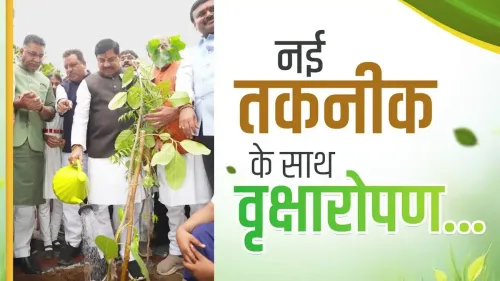
A mega plantation drive targeting 11 lakh saplings was launched using the Miyawaki method , which creates dense, fast-growing, self-sustaining forests.
The plantation drive is part of the national 'Ek Ped Maa Ke Naam' campaign, framing tree-planting as a tribute to mothers.
Madhya Pradesh has run large-scale plantation campaigns since 2016 under its 'Vriksharopan Abhiyan' framework; this drive extends that tradition with a scientific planting method.
Survival rates of the Miyawaki saplings and groundwater recharge data from the Dumna bore will be key indicators of the initiative's real-world impact.
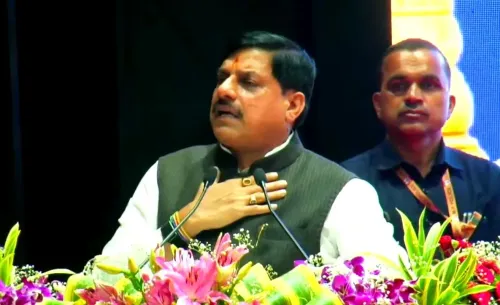
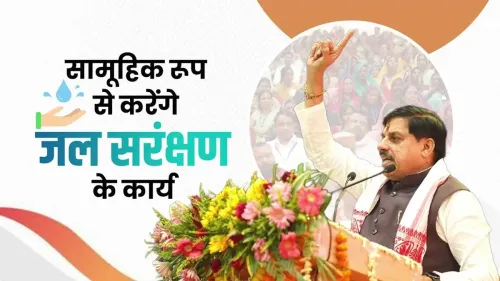
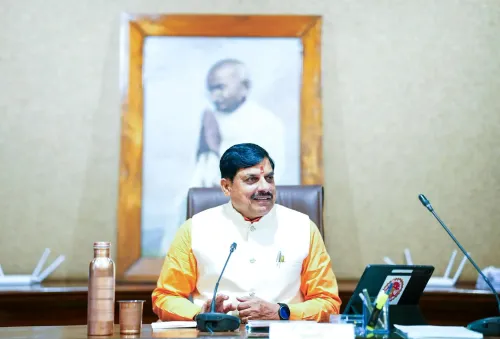
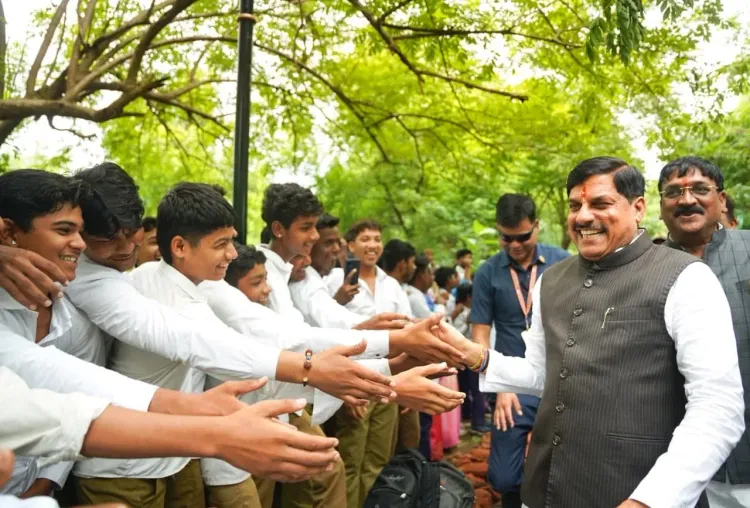
A monsoon morning at Dumna Nature Park in Jabalpur became the stage for a twin environmental push — and the message was pointed: Madhya Pradesh is not waiting for a climate crisis to act. Chief Minister Dr. Mohan Yadav on Saturday, 1 August 2026 inaugurated a rainwater harvesting system under the national 'Catch the Rain' campaign and simultaneously flagged off a 11-lakh sapling plantation drive using the Japanese Miyawaki method, under the 'Ek Ped Maa Ke Naam' initiative.
What the Dumna Nature Park system will actually do
The newly launched rainwater harvesting infrastructure at Dumna is designed to collect precipitation from a 10,000 square-foot rooftop catchment area and channel it into the ground through a 30-feet-deep recharge bore. The mechanism directly targets groundwater replenishment — a critical concern in central India, where aquifer depletion has accelerated alongside urban expansion. Jabalpur's urban residents and farming communities dependent on groundwater stand to benefit most directly.
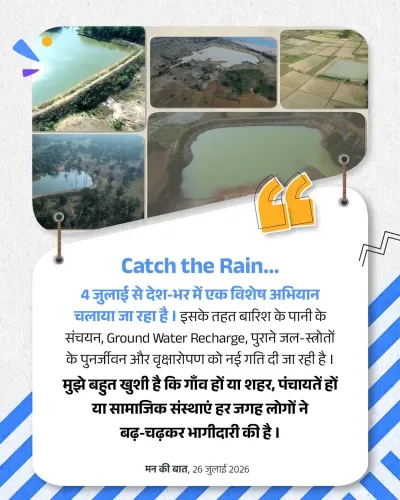
The 'Catch the Rain' campaign was first launched nationally by the Ministry of Jal Shakti in 2021, urging states to build decentralised rainwater collection infrastructure before and during the monsoon. Madhya Pradesh's Dumna installation is a concrete, site-specific expression of that national mandate — converting a nature park into a live demonstration of water-smart infrastructure.
11 lakh saplings, one Japanese method, one national campaign
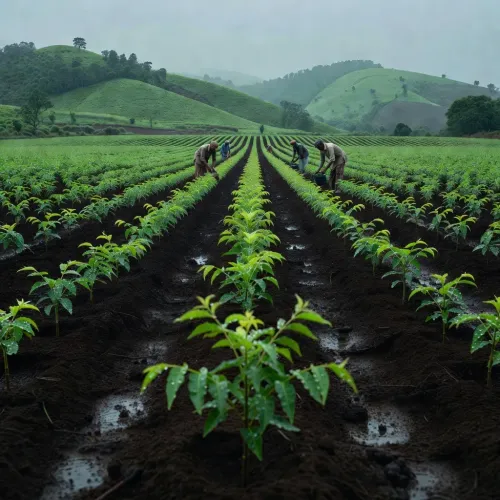
The plantation drive is anchored in the Miyawaki method, a Japanese afforestation technique developed by botanist Akira Miyawaki. The approach packs native species densely together, triggering rapid canopy formation and producing forests that are self-sustaining within a few years — far faster than conventional plantation drives. Indian cities from Pune to Hyderabad have adopted the method for urban greening; Madhya Pradesh now brings it to Jabalpur's periurban green belt.
The drive runs under 'Ek Ped Maa Ke Naam' — a nationally promoted campaign that frames tree planting as a personal tribute to one's mother, blending civic duty with emotional resonance. Madhya Pradesh has run successive large-scale plantation campaigns since 2016 under its 'Vriksharopan Abhiyan' framework, making this latest mega-drive a continuation of an established state tradition, now supercharged by a scientifically dense planting method and a national campaign umbrella.
Two campaigns, one strategic signal
Launching both initiatives together — water recharge infrastructure and rapid afforestation — is not incidental. Dense Miyawaki forests improve local rainfall absorption, reduce surface runoff, and support groundwater recharge, directly complementing the harvesting bore inaugurated at the same venue. The dual launch positions Madhya Pradesh's environmental policy as integrated rather than siloed, with Dumna Nature Park serving as a model site where water and forest management reinforce each other.
The coming monsoon season will be the first real test: survival rates of the 11 lakh Miyawaki saplings and measurable groundwater recharge data from the Dumna bore will determine whether the ambition holds up on the ground.
Point of View
Giving Madhya Pradesh a clean claim on two central green-policy narratives simultaneously. For Chief Minister Mohan Yadav, who took office in December 2023, visible environmental action in a nature-park setting offers a governance optic that transcends party lines. The choice of the Miyawaki method is also notable: it signals a shift from headline plantation numbers toward scientifically defensible outcomes, a response to longstanding criticism that mass tree-planting drives record high sapling counts but low survival rates. Whether the state backs these launches with monitoring and maintenance budgets will reveal whether this is durable policy or seasonal symbolism.
NationPress
15 Sept 2026
Frequently Asked Questions
What is the 'Catch the Rain' campaign and how is MP using it?
The 'Catch the Rain' campaign is a national rainwater harvesting initiative launched by the Ministry of Jal Shakti in 2021. Madhya Pradesh has implemented it at Jabalpur's Dumna Nature Park by installing a system that collects water from a 10,000 sq ft rooftop area and recharges groundwater through a 30-feet-deep bore.
What is the Miyawaki method of plantation?
The Miyawaki method is a Japanese afforestation technique that plants native species densely together, enabling forests to grow rapidly and become self-sustaining within a few years. It promotes high biodiversity and is increasingly used in Indian urban greening projects.
What is 'Ek Ped Maa Ke Naam' and what was launched under it in Jabalpur?
'Ek Ped Maa Ke Naam' is a national tree plantation campaign encouraging citizens to plant a sapling as a tribute to their mother. In Jabalpur, CM Dr. Mohan Yadav launched a drive to plant 11 lakh saplings using the Miyawaki method under this campaign on 1 August 2026.
Where is Dumna Nature Park located?
Dumna Nature Park is an urban forest and nature reserve located in Jabalpur, Madhya Pradesh. It served as the venue for the twin environment launch by Chief Minister Dr. Mohan Yadav.
How does the rainwater harvesting system at Dumna help groundwater?
The system collects rainwater from a 10,000 square-foot roof catchment and directs it into a 30-feet-deep recharge bore, which replenishes underground aquifers. This directly benefits Jabalpur's urban residents and farming communities who depend on groundwater.