MP CM Mohan Yadav: 9 New Ayurvedic Colleges in 2 Years
Synopsis
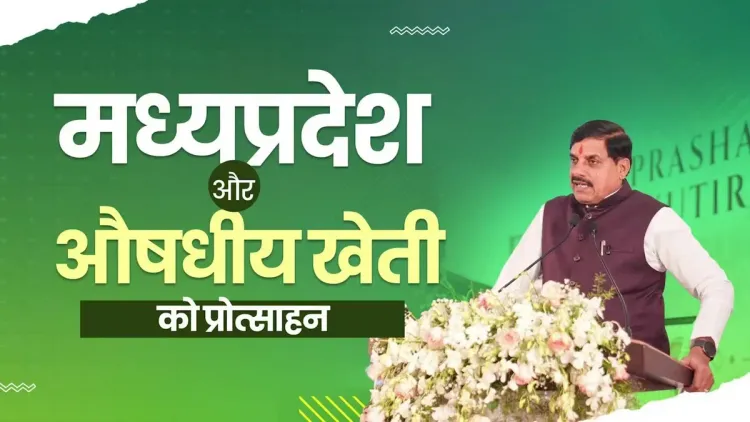
Madhya Pradesh CM Dr. Mohan Yadav announced that the state government has decided to open nine new Ayurvedic colleges in two years, while positioning Prashanti Kutiram as a hub linking yoga and traditional medicine with modern scientific research.
Key Takeaways
Nine new Ayurvedic colleges have been decided upon by the Madhya Pradesh government over the past two years .
Mohan Yadav made the announcement at Prashanti Kutiram on 14 November 2026 .
The state is framing yoga not just as spiritual practice but as a field to be integrated with modern science and medical research.
The expansion aligns with the national Ministry of AYUSH framework established in 2014 to mainstream traditional medicine systems.
Key beneficiaries include Ayurveda students, traditional medicine practitioners, and rural healthcare users across Madhya Pradesh.
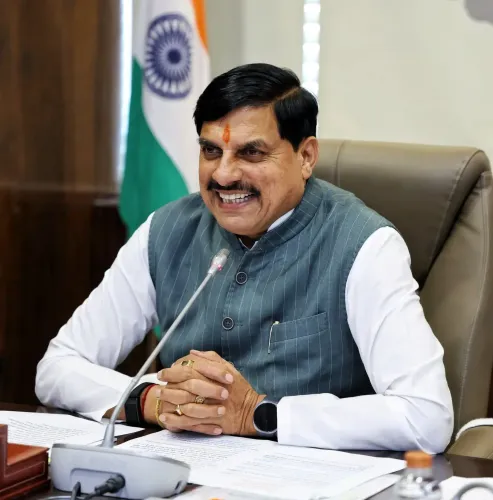
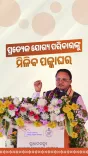
Nine new Ayurvedic colleges in two years — that is the headline number Chief Minister Dr. Mohan Yadav put on the table at Prashanti Kutiram on Saturday, 14 November 2026, as Madhya Pradesh doubled down on its push to weave traditional medicine into the mainstream of modern healthcare.
Speaking at the event, CM Yadav framed the initiative as more than institutional expansion. 'Prashanti Kutiram ke madhyam se yoga ko kewal aadhyatmik abhyas tak simit nahin rakha gaya hai' — ('Through Prashanti Kutiram, yoga has not been confined merely to spiritual practice') — he said, emphasising that the centre is actively working to link yoga with modern science and medical research. The message was deliberate: tradition and evidence-based inquiry are not rivals in Madhya Pradesh's policy playbook; they are partners.
Nine Colleges, One Clear Direction
The Chief Minister's Office confirmed that the state government decided to open nine new Ayurvedic colleges over the past two years. The announcement signals a significant scale-up in the state's AYUSH infrastructure at a time when demand for trained Ayurvedic practitioners is rising alongside mainstream healthcare pressure. More colleges mean more seats, more graduates, and — in theory — deeper penetration of traditional medicine into rural and semi-urban districts where allopathic access remains thin.
Madhya Pradesh's move fits a well-established national pattern. Since the Ministry of AYUSH was carved out in 2014 to give traditional systems — Ayurveda, Yoga, Unani, Siddha, and Homeopathy — dedicated institutional weight, states have competed to expand AYUSH colleges, hospitals, and dispensaries. MP is now among the more aggressive movers at the state level.
Prashanti Kutiram and the Science-Spirituality Bridge
Prashanti Kutiram serves as the symbolic and operational anchor of this vision. Rather than positioning yoga purely as cultural heritage, CM Yadav used the platform to argue for its integration with medical research — a framing that aligns with the central government's own push to generate peer-reviewed evidence for traditional therapies. The political logic is clear: evidence gives traditional medicine credibility in international health conversations, and credibility attracts investment and talent.
For students of Ayurveda, rural patients who rely on traditional practitioners, and a growing ecosystem of wellness entrepreneurs, the expansion of college infrastructure is the most concrete near-term deliverable. Whether the nine colleges translate into quality graduates and published research collaborations will be the real test of the government's ambition.
Madhya Pradesh has drawn the map. Now comes the harder work of building what is promised on it.
Point of View
The Madhya Pradesh government is signalling that it wants to be seen as a thought leader in the AYUSH space, not merely a policy follower. The real political dividend, however, will depend on whether the nine colleges produce measurable outcomes — trained graduates, reduced practitioner shortages, and credible research — or remain headline numbers. For a state with vast rural healthcare gaps, the stakes of getting this right are substantial.
NationPress
14 Nov 2026
Frequently Asked Questions
How many new Ayurvedic colleges has Madhya Pradesh opened?
The Madhya Pradesh government has decided to open nine new Ayurvedic colleges over the past two years, as announced by CM Dr. Mohan Yadav.
What is Prashanti Kutiram in Madhya Pradesh?
Prashanti Kutiram is a yoga-related centre in Madhya Pradesh that the state government is positioning as a hub linking traditional yoga and spiritual practice with modern science and medical research.
What is CM Mohan Yadav's policy on Ayurveda?
CM Dr. Mohan Yadav has stated that his government is continuously working to promote Ayurveda and traditional medicine systems, including through the expansion of Ayurvedic colleges and integration with modern medical research.
What is the Ministry of AYUSH and how does it relate to this?
The Ministry of AYUSH was created by the central government in 2014 to promote Ayurveda, Yoga, Unani, Siddha, and Homeopathy. Madhya Pradesh's college expansion is a state-level implementation of the national AYUSH infrastructure push.
Why is Madhya Pradesh expanding Ayurvedic colleges?
The expansion aims to increase the number of trained Ayurvedic practitioners, improve access to traditional medicine — especially in rural areas — and integrate these systems with modern healthcare and scientific research.