MP CM Mohan Yadav Launches Kodo-Kutki Procurement, Offers MSP Bonus
Synopsis
Madhya Pradesh Chief Minister Dr Mohan Yadav has launched the state's first-ever procurement campaign for kodo and kutki minor millets, while also extending MSP-plus-bonus support to paddy farmers — deepening a national policy push to mainstream climate-resilient crops and secure incomes for tribal and small farmers.
Key Takeaways
The Chief Minister's Office of Madhya Pradesh announced on 1 July 2026 a first-of-its-kind state procurement drive for kodo and kutki minor millets.
CM Dr Mohan Yadav stated that farmers will receive a bonus over and above MSP for paddy, continuing a multi-season state practice.
The campaign is framed as part of PM Narendra Modi's broader guidance on continuous support for grain-producing farmers.
The central government first included kodo and kutki under MSP coverage in 2021-22 , making state-level procurement a natural extension of that policy.
Primary beneficiaries include tribal and small farmers in rain-fed districts of Madhya Pradesh who grow these drought-tolerant crops.
Kharif 2026 procurement figures and the official bonus amount are yet to be publicly disclosed by the state government.
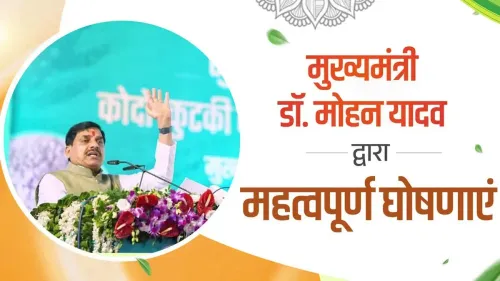
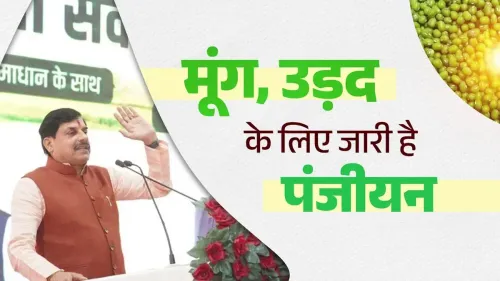
The Chief Minister's Office of Madhya Pradesh announced on Wednesday, 1 July 2026 that the state government, under the guidance of Prime Minister Narendra Modi, has launched a first-of-its-kind procurement campaign for kodo and kutki (minor millets) in the state, alongside continued incentives for paddy farmers — with bonuses offered over and above the Minimum Support Price (MSP).
Context
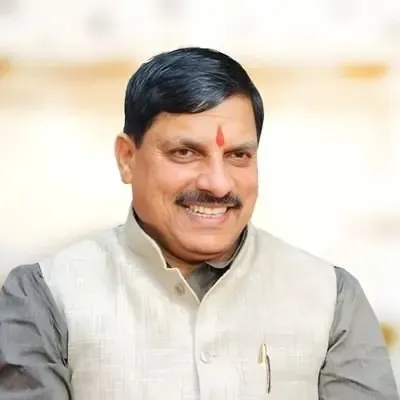
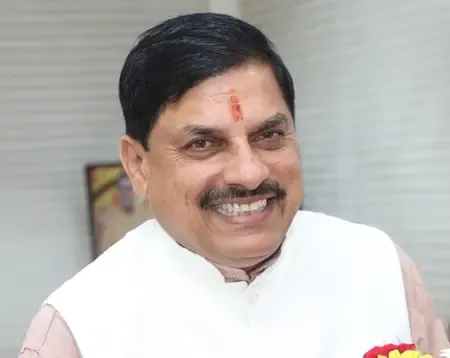
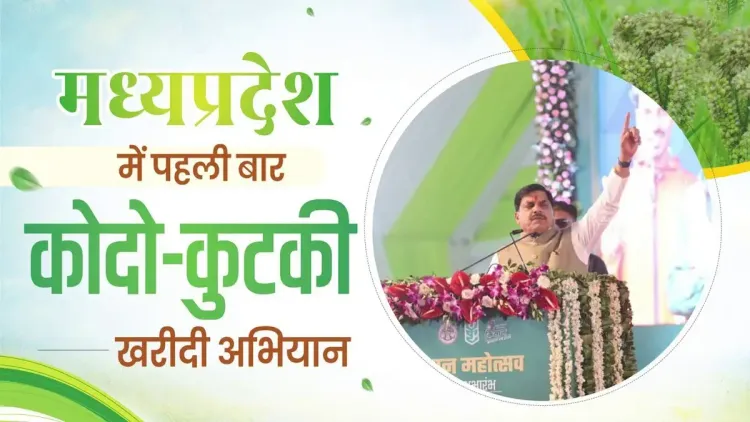
Chief Minister Dr Mohan Yadav stated: 'धान उत्पादक किसानों को प्रोत्साहन प्रदान करने के साथ ही मध्यप्रदेश में पहली बार कोदो-कुटकी की खरीदी का अभियान प्रारंभ किया गया' — 'Along with incentives for paddy-growing farmers, a campaign for the procurement of kodo-kutki has been launched for the first time in Madhya Pradesh.' The Chief Minister added that the government is providing farmers a bonus in addition to MSP.
Kodo and kutki are rain-fed minor millets traditionally cultivated by tribal communities across Madhya Pradesh. Their inclusion in a formal state procurement drive marks a significant shift in how the state engages with non-mainstream grain crops grown largely in remote, rain-dependent districts.
Policy Backdrop
The central government extended MSP coverage to kodo and kutki for the first time in the 2021-22 season, as part of a broader national push to diversify procurement beyond rice and wheat and support nutritionally rich, climate-resilient crops. This followed India's successful proposal to the United Nations General Assembly, which declared 2023 the International Year of Millets, catalysing expanded policy attention to minor millets across the country.
Madhya Pradesh has been procuring wheat and paddy at MSP — with state-funded bonuses — across multiple Kharif and Rabi seasons since 2018. The current government's decision to extend a similar bonus-plus-MSP framework to kodo and kutki deepens that model, targeting farmers who have historically lacked assured market access for these crops.
Stakeholders and Impact
The primary beneficiaries are small and marginal farmers, particularly tribal cultivators in the central and eastern districts of Madhya Pradesh where kodo and kutki are staple subsistence crops. Assured procurement at MSP plus a state bonus is intended to reduce post-harvest distress and incentivise continued cultivation of these drought-tolerant grains.
Paddy farmers in the state also stand to benefit from continued bonus payments stacked on top of the centrally determined MSP, a mechanism the state government has positioned as a direct income-support tool. The Ministry of Agriculture and Farmers Welfare and the Madhya Pradesh Agriculture Department are identified as implementing partners in the post.
What's Next
The scale and district-wise reach of the kodo-kutki procurement campaign will become clearer when the state government releases Kharif 2026 procurement figures. Observers will watch whether the campaign is expanded to additional tribal districts and whether the bonus quantum — not yet officially disclosed — is formalised through a government order.
The move aligns Madhya Pradesh with a national policy arc that increasingly favours assured procurement over input subsidies as the primary vehicle for farmer welfare, a model that other millet-producing states may look to replicate in coming seasons.
Point of View
Lending state infrastructure to crops that have long existed outside formal market channels. By layering a state bonus on top of central MSP, CM Mohan Yadav is reinforcing a political economy of direct farmer support that has proved electorally significant in MP's tribal belt. The move also signals that the BJP-led state sees millet mainstreaming not merely as a nutrition story but as an assured-income story for a constituency that has historically felt excluded from procurement networks. Whether the campaign achieves meaningful scale will depend on logistics in remote districts — a test the government will face when Kharif 2026 figures are published.
NationPress
1 Jul 2026
Frequently Asked Questions
What is the kodo-kutki procurement campaign in Madhya Pradesh?
The Madhya Pradesh government has launched a state-run procurement drive to purchase kodo and kutki — rain-fed minor millets grown mainly by tribal farmers — at the government-mandated Minimum Support Price, described by CM Mohan Yadav as the first such campaign in the state's history.
What bonus are MP farmers getting over MSP in 2026?
Chief Minister Dr Mohan Yadav confirmed that the state government is providing farmers a bonus in addition to the central MSP for paddy; the exact bonus amount has not yet been officially disclosed in public records.
Why are kodo and kutki important for tribal farmers in MP?
Kodo and kutki are drought-tolerant, rain-fed crops traditionally cultivated by tribal communities in Madhya Pradesh's central and eastern districts. They require minimal inputs, making them a critical livelihood crop for small and marginal farmers who lack irrigation access.
When did the central government include kodo and kutki under MSP?
The central government extended MSP coverage to kodo and kutki for the first time in the 2021-22 season as part of efforts to diversify procurement and promote nutritionally rich minor millets.
What is the significance of India's millet push for state procurement policies?
India's proposal led the United Nations to declare 2023 the International Year of Millets, accelerating national and state-level policy to mainstream minor millets through formal procurement, price support, and farmer incentives — of which Madhya Pradesh's new campaign is a direct example.