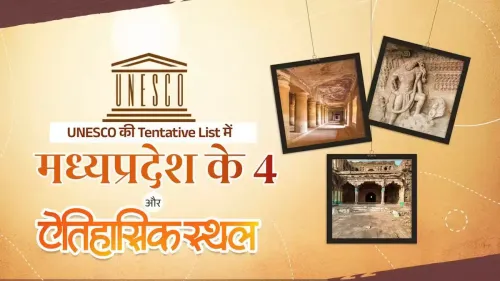
MP CM Office: 4 Heritage Sites Enter UNESCO Tentative List
Synopsis
Four Madhya Pradesh sites — Bagh Caves, Ginnorgarh Fort, Chambal Valley temples, and Udayagiri Caves — have entered UNESCO's Tentative List, the mandatory first step toward World Heritage inscription, as CM Dr. Mohan Yadav's government accelerates its cultural-tourism agenda.
Key Takeaways
Four sites from Madhya Pradesh — Bagh Caves (Dhar), Ginnorgarh Fort (Sehore), Chambal Valley temples (Morena), and Udayagiri Caves (Vidisha) — have been added to UNESCO's Tentative List.
A UNESCO Tentative List entry is a mandatory prerequisite before any site can be formally nominated for World Heritage status.
Madhya Pradesh already holds three UNESCO World Heritage Sites : Khajuraho (1986), Sanchi (1989), and Bhimbetka (2003).
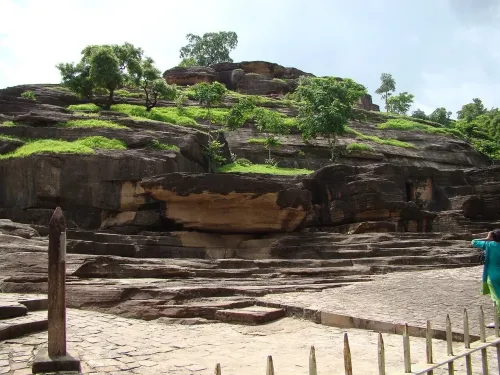
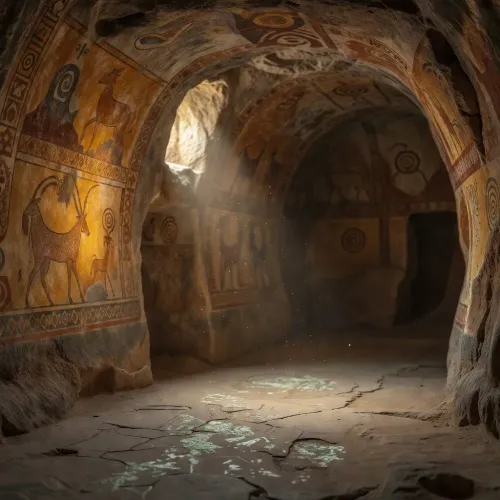
The Bagh Caves are renowned for rare 5th-6th century Buddhist mural paintings; Udayagiri Caves contain exceptional Gupta-era sculptures dating to the early 5th century CE.
Mohan Yadav has positioned heritage tourism as a key pillar of the state's economic strategy since taking office in December 2023.
Full nomination dossiers must now be prepared and submitted to the UNESCO World Heritage Centre before formal inscription can be considered.
Four of Madhya Pradesh's most storied historical sites have cleared the first — and often hardest — hurdle toward UNESCO World Heritage status, earning a place on the organisation's coveted Tentative List. The Chief Minister's Office of Madhya Pradesh announced the development on Wednesday, 30 September 2026, calling it a new identity for the state's legacy on the world stage.
The Four Sites Now on the Global Radar
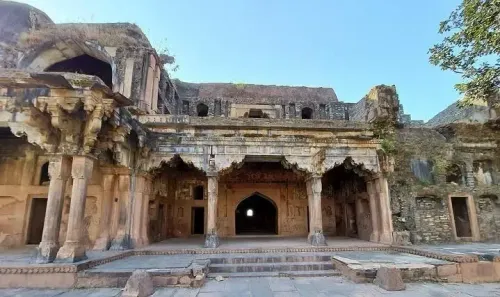
The sites joining the Tentative List are the Bagh Caves of Dhar, the Ginnorgarh Fort of Sehore, the Chambal Valley Temple Complex of Morena, and the Udayagiri Caves of Vidisha. Each represents a distinct chapter of the subcontinent's civilisational story — from 5th-6th century Buddhist murals to Gupta-era rock-cut sculpture to medieval Gond and Mughal-era fortifications.
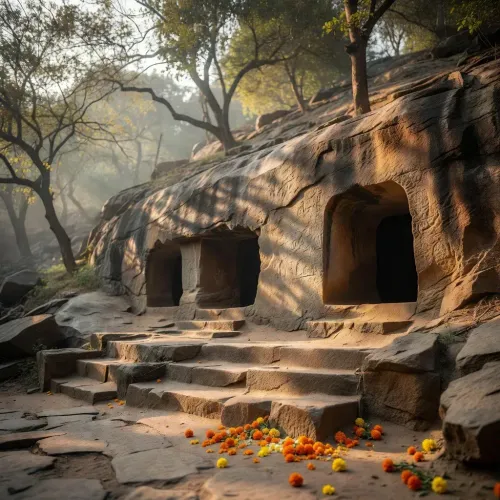
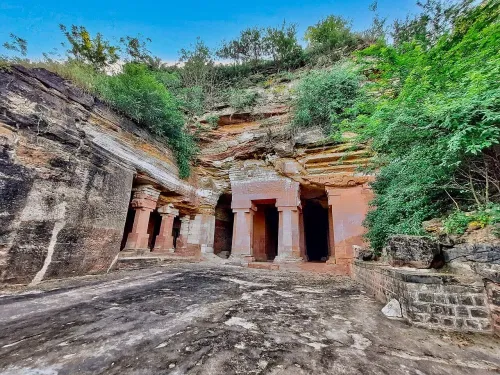
The Bagh Caves, carved into sandstone cliffs along the Baghani river in Dhar district, are celebrated for their vivid Buddhist mural paintings — a rare surviving window into early medieval Indian artistic tradition. The Udayagiri Caves in Vidisha, dating to the early 5th century CE, hold some of the finest Gupta-period inscriptions and sculptures on the planet, including the monumental Varaha panel. The Chambal Valley temples in Morena cluster along one of India's most historically charged river corridors. And Ginnorgarh Fort in Sehore, a 16th-century hill fortification, carries layers of Gond and Mughal history within its ramparts.
Why a Tentative Listing Is a Big Deal
A UNESCO Tentative List is not a consolation prize — it is a prerequisite. No site anywhere in the world can be formally nominated for World Heritage status unless it first spends time on its country's Tentative List. Getting listed is, in effect, the state government signalling to UNESCO: 'This site meets the bar; we are preparing our case.'
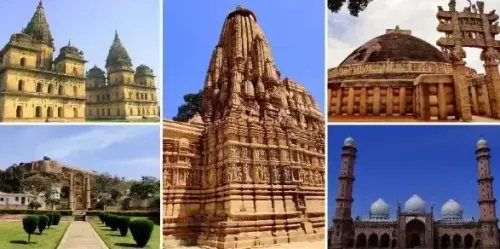
For Madhya Pradesh, the stakes are tangible. The state already hosts three UNESCO World Heritage Sites — the Khajuraho Group of Monuments (inscribed 1986), the Buddhist Monuments at Sanchi (1989), and the Rock Shelters of Bhimbetka (2003). Each inscription transformed the surrounding region's cultural-tourism economy. A fourth, fifth, or sixth inscription would amplify that effect considerably, drawing international visitors to districts — Dhar, Sehore, Morena, Vidisha — that currently sit outside the main heritage tourist circuit.
CM Mohan Yadav's Heritage Push
Chief Minister Dr. Mohan Yadav, who has championed heritage promotion since taking office in December 2023, was tagged directly in the official post. His administration has framed cultural tourism as a pillar of the state's economic strategy, and the UNESCO move fits squarely into that arc. Indian states have increasingly used tentative listings as a soft-power and economic tool — a formal international endorsement that unlocks conservation funding, tourism marketing, and global academic interest.
The next steps are demanding: the state must prepare full nomination dossiers, commission outstanding universal value studies, and coordinate with the Archaeological Survey of India and the UNESCO World Heritage Centre before any formal nomination can be submitted. That process typically spans several years. But the listing confirms the ambition is now official — and the clock is running.
For a state that turned Sanchi into a global pilgrimage and Khajuraho into a household name, the question is no longer whether Madhya Pradesh can earn another World Heritage inscription — it is which of these four sites gets there first.
Point of View
Converting archaeological assets into tourism revenue and soft-power capital. Whether the state can sustain the rigorous dossier-preparation process for all four sites simultaneously will be the real test of institutional commitment.
NationPress
30 Sept 2026
Frequently Asked Questions
Which Madhya Pradesh sites have been added to the UNESCO Tentative List?
Four sites: the Bagh Caves in Dhar, Ginnorgarh Fort in Sehore, the Chambal Valley Temple Complex in Morena, and the Udayagiri Caves in Vidisha.
What does it mean for a site to be on UNESCO's Tentative List?
It is a mandatory first step — no site can be formally nominated for UNESCO World Heritage status unless it is first on the country's Tentative List. It signals the government's intent to pursue full nomination.
How many UNESCO World Heritage Sites does Madhya Pradesh already have?
Madhya Pradesh already has three: the Khajuraho Group of Monuments (1986), the Buddhist Monuments at Sanchi (1989), and the Rock Shelters of Bhimbetka (2003).
What are the Bagh Caves famous for?
The Bagh Caves in Dhar district are celebrated for their rare 5th-6th century Buddhist mural paintings, making them one of India's most significant early medieval artistic sites.
What happens after a site is on the UNESCO Tentative List?
The state and central government must prepare a detailed nomination dossier establishing the site's 'outstanding universal value,' which is then reviewed by the UNESCO World Heritage Committee — a process that typically takes several years.