MP CM Mohan Yadav Announces Historic Step Toward UCC
Synopsis
Chief Minister Dr. Mohan Yadav announced on 21 July 2026 that Madhya Pradesh is taking a 'concrete and historic step' toward equal citizenship and equal rights, invoking PM Modi's vision and signalling a move toward the Uniform Civil Code in the state.
Key Takeaways
The Chief Minister's Office of Madhya Pradesh announced on 21 July 2026 that the state is advancing toward equal citizenship and equal rights.
Mohan Yadav framed the step as aligned with PM Narendra Modi 's vision of development and good governance.
The post was tagged #UCC , directly linking the announcement to the Uniform Civil Code debate.
The Uniform Civil Code is rooted in Article 44 of the Indian Constitution and has been a BJP manifesto commitment since 2014 .
Any formal UCC legislation in Madhya Pradesh would be subject to debate in the state assembly and potential judicial review.
The move mirrors a broader pattern of BJP-ruled states aligning sub-national policy with centrally promoted legal reforms.
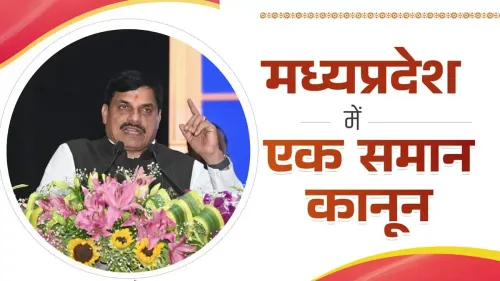
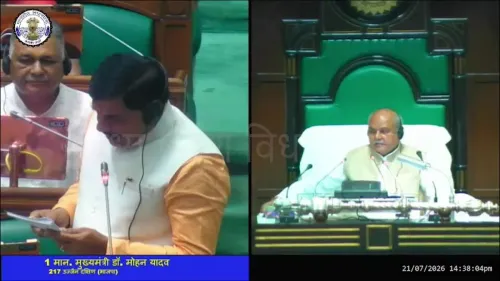
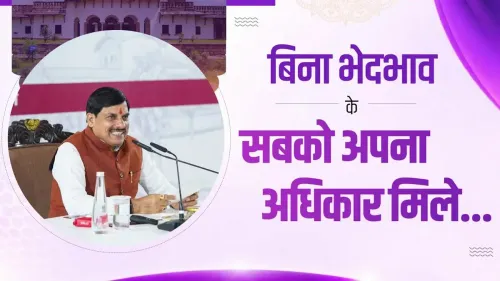
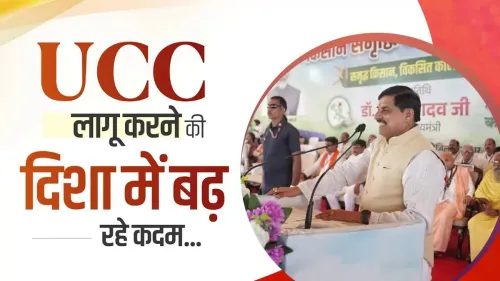
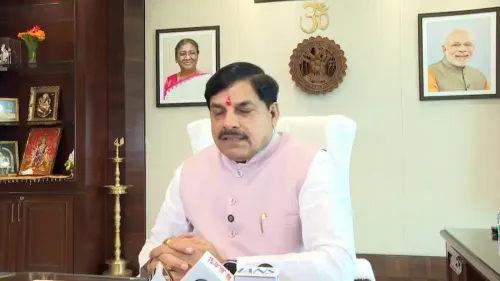
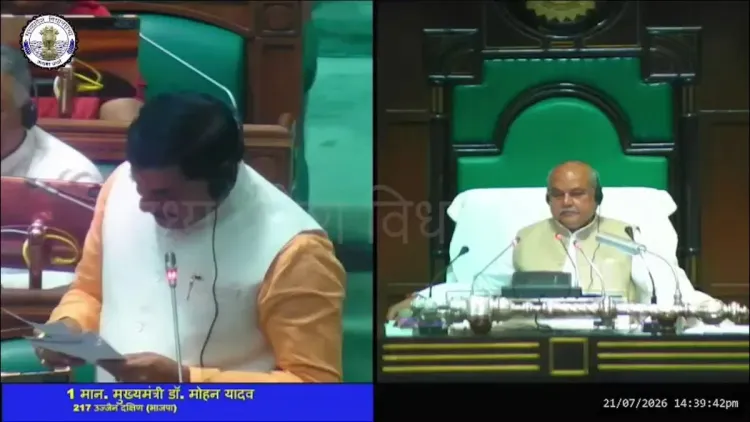
The Chief Minister's Office of Madhya Pradesh announced on Tuesday, 21 July 2026 that the state is taking a 'concrete and historic step' toward equal citizenship and equal rights, with Chief Minister Dr. Mohan Yadav framing the move as aligned with the vision of Prime Minister Narendra Modi.
Context
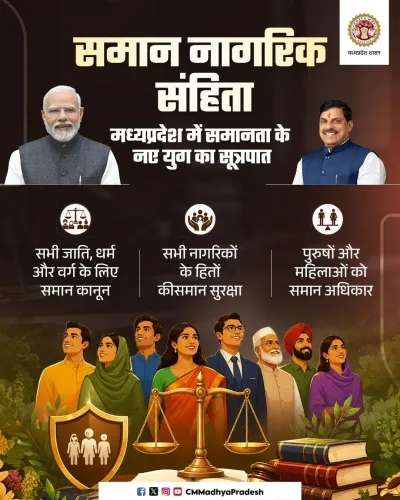
The official post, attributed to CM Dr. Mohan Yadav, stated: 'Yashasvi Pradhanmantri Shri Narendra Modi ji ke doordarshi netritva mein jab desh vikas aur sushasan ke naye aayam sthapit kar raha hai, tab Madhya Pradesh bhi saman nagrikta aur saman adhikaron ki disha mein ek thos evam aitihasik kadam aage badha raha hai' — ('When the country is establishing new dimensions of development and good governance under the visionary leadership of the esteemed Prime Minister Narendra Modi, Madhya Pradesh too is taking a concrete and historic step toward equal citizenship and equal rights.')
The statement was accompanied by a video and tagged with #UCC, signalling that the step in question relates to the Uniform Civil Code — a common personal law framework covering marriage, divorce, inheritance, and adoption for all citizens regardless of religion.
Policy Backdrop
Article 44 of the Indian Constitution, under the Directive Principles of State Policy, directs the State to endeavour to secure a Uniform Civil Code for all citizens. The Bharatiya Janata Party has carried the UCC as a core commitment in its election manifestos since 2014, framing it as an instrument of gender justice and national integration.
Madhya Pradesh, governed by the BJP, has consistently aligned its policy priorities with centrally promoted governance reforms. CM Dr. Mohan Yadav, who took office in December 2023, has continued this pattern of sub-national policy alignment with the Union government's legislative agenda.
Stakeholders and Impact
The UCC debate directly affects women and members of all religious communities across the state, as personal laws governing marriage, inheritance, and adoption currently differ by religion. Proponents argue that a uniform code would ensure equal legal protections for women irrespective of their faith.
Critics and minority community representatives have historically raised concerns about the impact of a common code on religious and cultural practices, making any legislative move on UCC politically and judicially significant. The Supreme Court of India has, on multiple occasions, noted the desirability of a UCC while leaving its enactment to the legislature.
What's Next
Attention will now turn to whether Madhya Pradesh introduces a formal UCC bill in the state legislative assembly, and what consultations — with legal experts, religious bodies, and civil society — precede or follow such a move. Any enacted legislation would also be subject to judicial scrutiny on questions of constitutional validity and the extent of state legislative competence on personal law matters.
If Madhya Pradesh proceeds with a state-level UCC, it would join a small group of states attempting to legislate in this domain, reinforcing a broader pattern of BJP-ruled states acting as policy laboratories for nationally debated reforms.
Point of View
' CM Yadav reinforces the BJP's vertical integration of messaging from the Centre to the states ahead of any formal bill. The UCC has long served as a mobilising issue for the BJP's core base, and a state-level move would test both legal boundaries and coalition sensitivities. Whether Madhya Pradesh can translate this signal into durable legislation without triggering significant minority community pushback or judicial challenge will define the actual legacy of this 'historic step.'
NationPress
20 Oct 2026
Frequently Asked Questions
What is the Uniform Civil Code and why is Madhya Pradesh in the news for it?
The Uniform Civil Code (UCC) is a proposed common personal law framework for all Indian citizens covering marriage, divorce, inheritance and adoption, regardless of religion. Madhya Pradesh is in the news because CM Dr. Mohan Yadav announced on 21 July 2026 that the state is taking a 'concrete and historic step' toward equal citizenship, tagging the post with #UCC.
Has any Indian state already implemented a Uniform Civil Code?
Uttarakhand became the first state to enact a UCC law, passing its Uniform Civil Code Act in 2024. Madhya Pradesh's announcement suggests it may follow a similar path, though no bill has yet been tabled in the state assembly as of this report.
What does Article 44 of the Indian Constitution say about UCC?
Article 44, under the Directive Principles of State Policy, directs the State to endeavour to secure a Uniform Civil Code for all citizens throughout the territory of India. It is a guiding principle, not an enforceable fundamental right, leaving enactment to the legislature.
Who is CM Mohan Yadav and when did he become Chief Minister of Madhya Pradesh?
Dr. Mohan Yadav is the Chief Minister of Madhya Pradesh, having assumed office in December 2023 after the BJP's victory in the state assembly elections. He has aligned Madhya Pradesh's policy agenda closely with the Union government's priorities.
What happens next after Madhya Pradesh's UCC announcement?
The immediate next step to watch is whether the Madhya Pradesh government introduces a formal UCC bill in the state legislative assembly, followed by stakeholder consultations and, if passed, potential judicial scrutiny of its provisions.