MP CM Yadav: ₹50,000 Cr Bina Petrochemical Hub to Reshape State
Synopsis
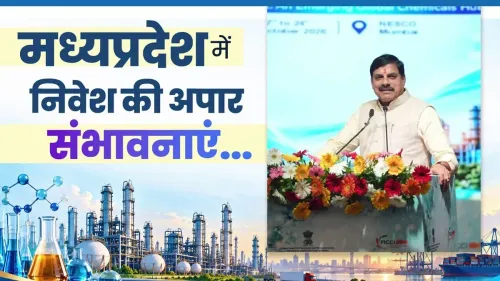
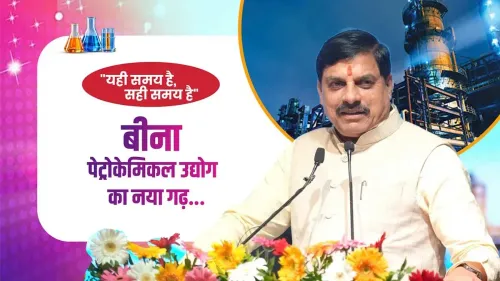
Chief Minister Dr. Mohan Yadav announced a proposed ₹50,000 crore downstream petrochemical complex at Bina and plastic parks at Raisen and Gwalior at IndiaChem 2026, positioning Madhya Pradesh as a key node in India's chemicals manufacturing push.
Key Takeaways
Madhya Pradesh CM Dr.
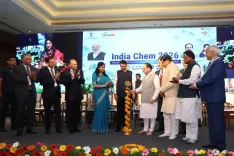
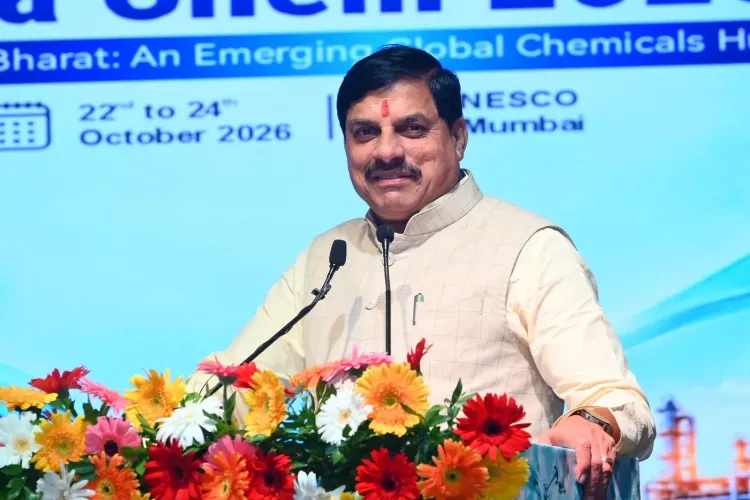
Mohan Yadav addressed IndiaChem 2026 , hosted by FICCI , on 22 October 2026 .
A downstream petrochemical project with a proposed investment of ₹50,000 crore is planned at Bina in Madhya Pradesh.
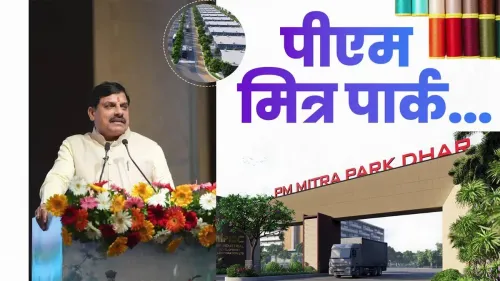
Plastic parks are proposed at Raisen and Gwalior to create processing clusters for polymer-based industries.
The state is positioning itself to attract investment and generate employment within India's broader chemicals manufacturing strategy.
India's PCPIR policy (2007) provides the national framework for integrated petrochemical investment regions that MP is seeking to leverage.
Project timelines hinge on land acquisition, clearances, and fresh investor commitments from the IndiaChem summit.
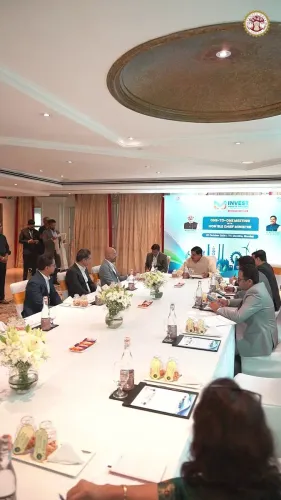
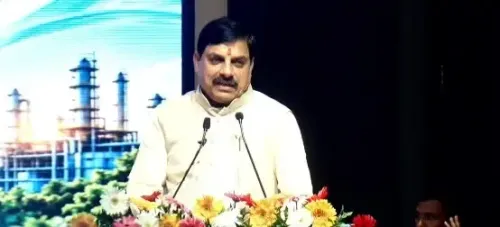
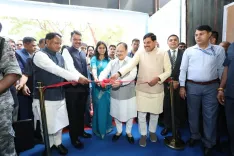
A ₹50,000 crore downstream petrochemical project at Bina, two plastic parks, and a clear pitch to global investors — Madhya Pradesh is staking its claim at the heart of India's chemicals manufacturing ambitions. Chief Minister Dr. Mohan Yadav made the declaration on Thursday, 22 October 2026, addressing the IndiaChem 2026 industry summit organised by FICCI.
Bina: The ₹50,000 Crore Anchor Bet
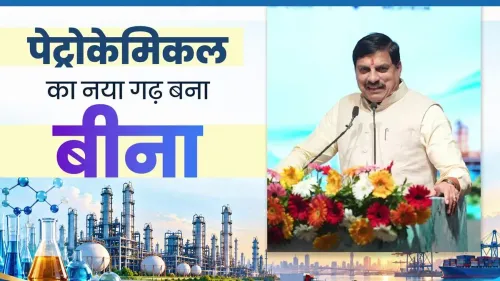
The centrepiece of the state's pitch is a proposed downstream petrochemical complex at Bina — a town in Sagar district already home to a major oil refinery — with a projected investment of ₹50,000 crore. Downstream petrochemicals sit at the value-added end of the chain: raw crude or naphtha goes in, and plastics, polymers, synthetic fibres, and speciality chemicals come out. Anchoring such a complex next to an existing refinery is a textbook industrial-cluster move, compressing logistics costs and shortening feedstock pipelines. CM Yadav framed the project as a direct contributor to employment and investment creation in the state.
Plastic Parks at Raisen and Gwalior
Flanking the Bina mega-project are two plastic parks — one in Raisen, one in Gwalior. Plastic parks are dedicated processing zones where small and medium enterprises convert polymer granules into finished goods: packaging, auto components, medical devices, and consumer items. The India government's plastic parks scheme has been running since the mid-2010s, designed to aggregate fragmented processing units into shared-infrastructure clusters that cut individual capital costs. Madhya Pradesh positioning two such parks near the Bina feedstock source creates a potential integrated corridor — raw material at one end, finished products at the other.
MP's Play Inside India's Bigger Chemicals Strategy
India's long-running ambition to become a global chemicals and petrochemicals manufacturing hub has a structural policy root: the Petroleum, Chemicals and Petrochemicals Investment Regions (PCPIR) policy, notified by the Government of India in 2007, was designed to create large, integrated manufacturing clusters that could compete with established hubs in China, South Korea, and the Gulf. Progress has been uneven — site clearances, land acquisition, and infrastructure build-out have historically lagged announcement timelines. That is precisely the 'what to watch' for Bina: whether the project clears regulatory and land hurdles fast enough to meet any committed investment calendar.
At IndiaChem 2026, the Madhya Pradesh government's pitch lands at a moment when chemical sector investors are actively scanning for alternatives to Chinese supply chains. The state is selling a combination: refinery-proximate feedstock at Bina, processing parks at Raisen and Gwalior, and what CM Yadav described as 'strong industrial infrastructure' — sुदृढ़ औद्योगिक अधोसंरचना (robust industrial infrastructure) — to back it all up.
Whether the ₹50,000 crore Bina project translates from proposal to steel-and-concrete reality will depend on what investment commitments actually emerge from this summit — and how quickly land and clearances follow.
Point of View
000 crore complex at Bina — next to an existing refinery — is strategically sound on paper, but India's PCPIR history is littered with announced clusters that stalled on land and clearance bottlenecks. The dual plastic parks at Raisen and Gwalior signal that the state is thinking in ecosystems, not just headline projects, which is the right instinct. The real test will be whether CM Yadav's government can compress the gap between announcement and ground-breaking that has hampered similar schemes elsewhere.
NationPress
22 Oct 2026
Frequently Asked Questions
What is the Bina petrochemical project in Madhya Pradesh?
It is a proposed downstream petrochemical complex at Bina in Madhya Pradesh with a projected investment of ₹50,000 crore, announced by CM Dr. Mohan Yadav at IndiaChem 2026. The project aims to convert refinery feedstock into value-added chemicals and polymers.
Where are the plastic parks planned in Madhya Pradesh?
The Madhya Pradesh government has proposed plastic parks at Raisen and Gwalior, intended to host small and medium enterprises that process polymer materials into finished goods.
What is IndiaChem 2026?
IndiaChem 2026 is an industry summit focused on the chemicals and petrochemicals sector, organised by FICCI (Federation of Indian Chambers of Commerce and Industry), where states and companies present investment plans.
What is India's PCPIR policy?
The Petroleum, Chemicals and Petrochemicals Investment Regions (PCPIR) policy was notified by the Government of India in 2007 to create large, integrated manufacturing clusters for the chemicals sector and reduce import dependence.
Why is Bina chosen for a petrochemical project?
Bina already hosts a major oil refinery, making it a logistically efficient location for downstream petrochemical processing that uses refinery outputs as feedstock, reducing raw-material transportation costs.