President Murmu at MS University: Women's workforce gap not about intelligence
Synopsis
President Droupadi Murmu used the Maharaja Sayajirao University of Baroda's 75th convocation to reframe a persistent national paradox: Indian women are outperforming men in classrooms yet remain underrepresented in formal jobs. Her answer — that homemakers are also nation-builders — challenges how India counts and values women's contribution to its economy.
Key Takeaways
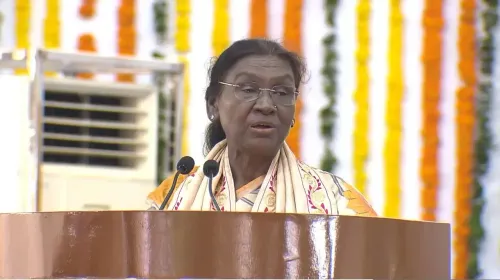
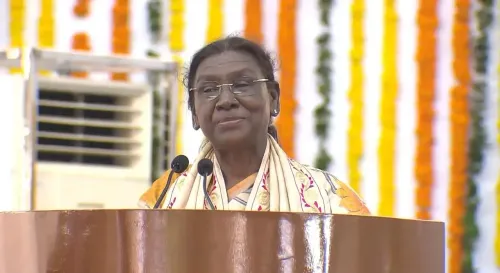
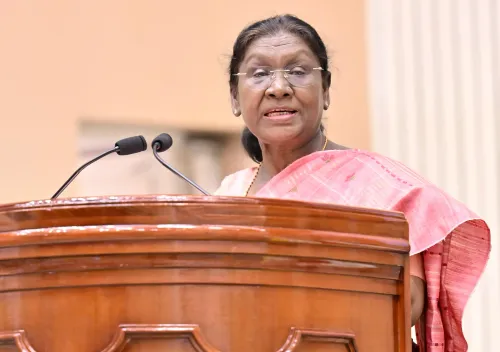
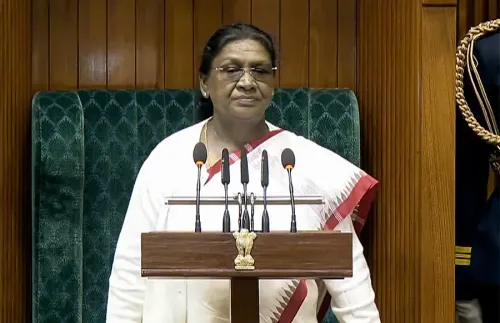
President Droupadi Murmu addressed the 75th convocation of Maharaja Sayajirao University of Baroda in Vadodara on 23 September 2026 .
Girls outnumbered boys among degree recipients and in the university's overall student body.
Murmu said the workforce gap does not reflect women's intelligence or capability, but their role in 'building the next generation.' She recognised homemakers as nation-builders, saying raising and educating children is 'also work for the country.' A total of 229 PhD , 2,857 Masters , 8,863 Bachelors , and 657 PG Diploma candidates were awarded degrees.
Murmu linked women's full participation to India's Viksit Bharat 2047 goal, noting that 65% of the country's population is young.
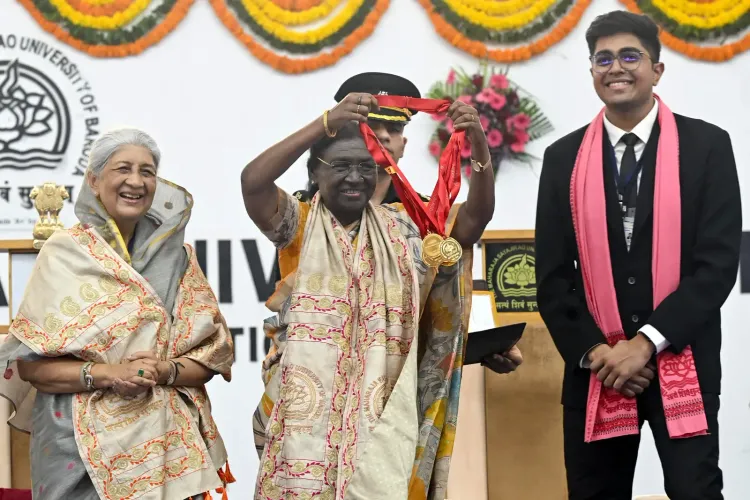
President Droupadi Murmu on Wednesday, 23 September called for greater recognition of women's contributions to India — both within and outside formal employment — while addressing the 75th convocation of the Maharaja Sayajirao University of Baroda in Vadodara. Highlighting that girls outnumbered boys among degree recipients at the event, she urged the nation to rethink how it values women's work.
Women Outnumber Men at Convocation
Murmu said she was encouraged to see that daughters formed the majority among students receiving degrees, and that women also outnumbered men in the university's overall student body. 'This is the changing picture of India, which is visible in most higher educational institutions across the country,' she said. The President described the growing participation of women across different fields as a sign that India was moving towards inclusive development.
Workforce Gap Is Not a Reflection of Ability
While celebrating women's academic achievements, Murmu drew attention to the persistent gap between their educational attainment and their representation in formal professions. She noted that women were earning degrees and gold medals in large numbers, yet their presence in fields such as teaching and medicine did not always match those academic outcomes. 'It is not because they are not intelligent. It is not because they cannot work for the country,' she said firmly, adding that such women were contributing in other vital ways — 'in building the next generation.'
Homemakers Are Also Nation-Builders
The President argued that women who remain at home to raise and educate children deserve equal acknowledgement as contributors to national progress. 'Staying at home, educating their children and preparing them for their future — this is also work for the country,' she said. She extended her thanks to women 'whether you are visible in the workforce or not,' framing unpaid domestic labour as a form of service to the country's future.
Degrees, Diplomas and Gold Medals Awarded
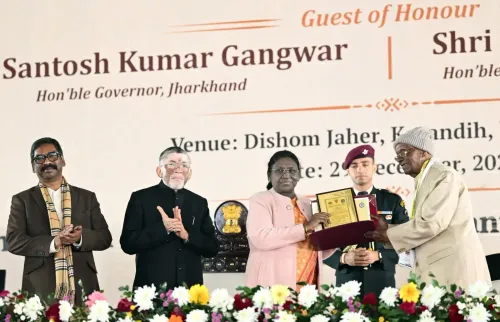
The convocation saw 229 Doctor of Philosophy, 2,857 Masters, 8,863 Bachelors, and 657 Post Graduate Diploma candidates declared qualified for their respective degrees and diplomas. Murmu offered special congratulations to gold medallists and acknowledged the sacrifices of parents and guardians, as well as the guidance of university teachers.
Young India's Role in Viksit Bharat 2047
Murmu also underscored the importance of young people in achieving India's goal of becoming a developed nation by 2047. 'Today, 65 per cent of the country's population is young,' she said, expressing confidence that their enterprise would carry the country forward. She specifically called for an India by 2047 where women have the opportunity to realise their full potential, framing gender equity as inseparable from national development. The convocation sets a precedent for how India's universities can spotlight the broader conversation on women and workforce equity.
Point of View
But it can also inadvertently deflect from the structural barriers — childcare infrastructure, workplace discrimination, safety concerns — that explain the dropout from education to employment. The 2047 development goal will ring hollow if the policy conversation stays at the level of appreciation rather than addressing the institutional gaps that keep educated women out of formal work.
NationPress
23 Sept 2026
Frequently Asked Questions
What did President Murmu say about women's lower workforce participation?
President Droupadi Murmu said women's lower representation in the formal workforce is 'not because they are not intelligent' or incapable, but because many are engaged in raising the next generation. She made the remarks at the 75th convocation of the Maharaja Sayajirao University of Baroda in Vadodara on 23 September 2026.
Why did Murmu praise homemakers at the convocation?
Murmu argued that women who stay at home to educate their children and prepare them for the future are also contributing to the country. She said 'staying at home, educating their children and preparing them for their future — this is also work for the country,' and thanked women whether or not they are visible in the workforce.
How did women perform academically at MS University of Baroda?
Girls outnumbered boys both among students receiving degrees at the convocation and in the university's overall student body. Murmu cited this as evidence of a 'changing picture of India' reflected in most higher educational institutions across the country.
How many degrees were awarded at the MS University of Baroda 75th convocation?
A total of 229 Doctor of Philosophy, 2,857 Masters, 8,863 Bachelors, and 657 Post Graduate Diploma candidates were declared qualified at the 75th convocation. Gold medallists received special congratulations from President Murmu.
How did Murmu connect women's empowerment to Viksit Bharat 2047?
Murmu said achieving a developed India by 2047 requires an India where women can realise their full potential. She noted that 65% of India's population is young and expressed confidence that youth enterprise — including women's contributions — would drive the country forward.