Nadda Backs Gayatri Parivar's Organ Donation Drive
Synopsis
Union Health Minister J. P. Nadda on 27 June 2026 assured the Akhil Vishwa Gayatri Parivar that organ donations by its members will always aid those in need, aligning the Health Ministry with the spiritual organisation's community welfare campaign amid India's low deceased-donor rates.
Key Takeaways
Nadda , in his capacity as Union Health Minister , publicly assured the Akhil Vishwa Gayatri Parivar on 27 June 2026 that donated organs will be used to help those in need.
The Akhil Vishwa Gayatri Parivar is a large spiritual-social organisation that has been actively promoting organ donation awareness among its members.
India's organ donation infrastructure is governed by the Transplantation of Human Organs Act, 1994 and coordinated nationally by NOTTO , established in 2014 .
India's deceased-donor rates remain well below global averages, making civil society partnerships a key government strategy.
The ministerial endorsement may encourage more members to register formal pledges through the National Organ Transplant Programme .
Watchers will look for a structured collaboration between the Ministry of Health and the organisation in upcoming NOTTO -led drives for 2026–27 .
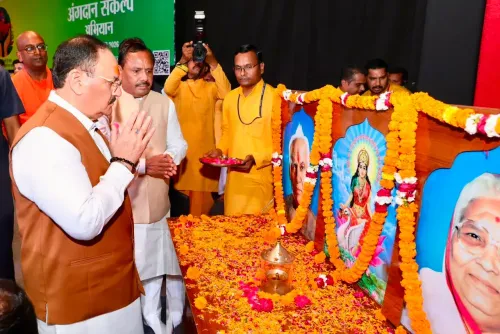
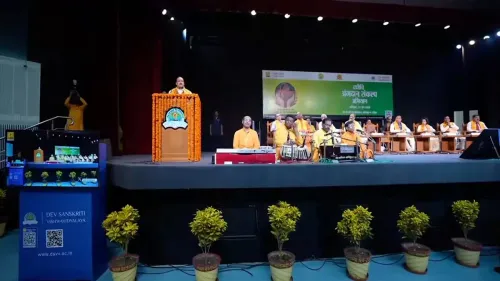
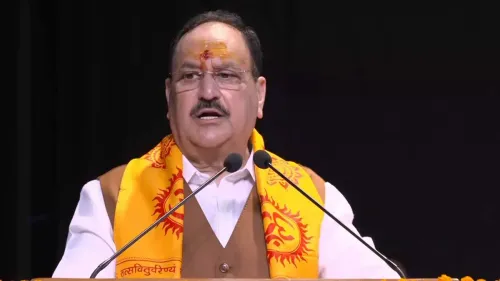
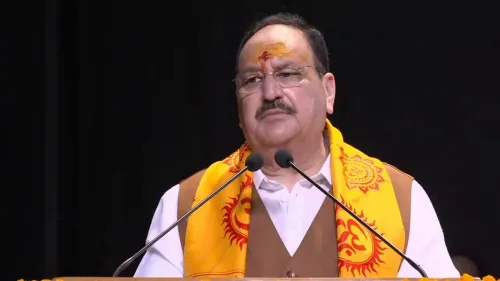
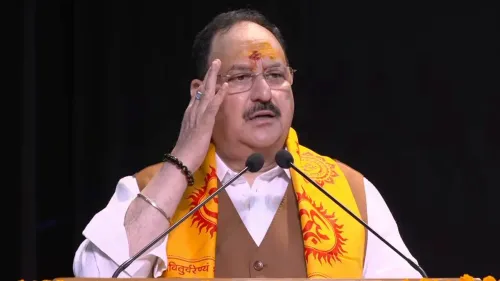
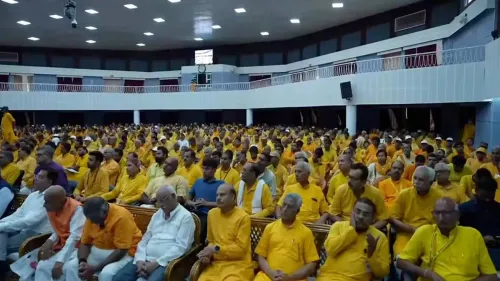
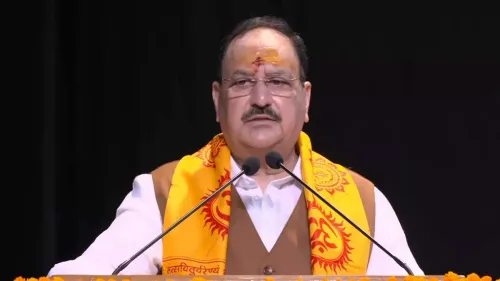
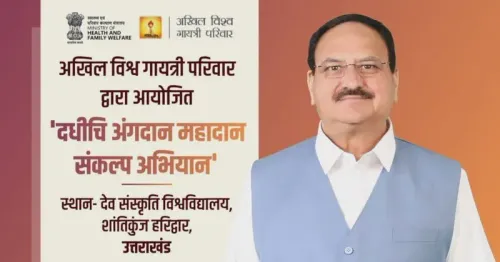
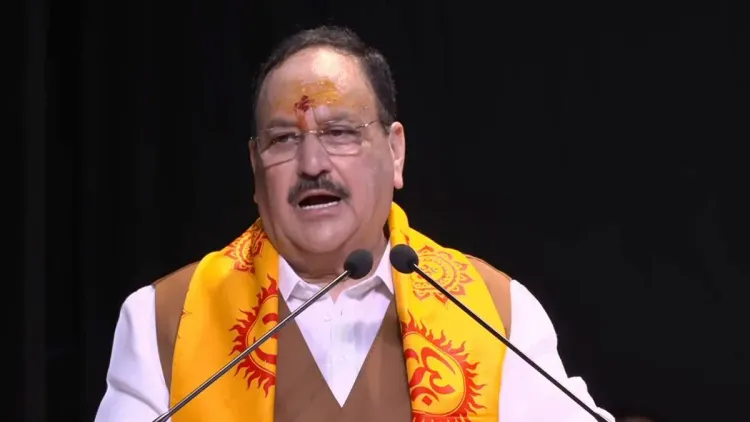
Union Health Minister J. P. Nadda on Saturday, 27 June 2026 pledged the government's full support to organ donation efforts being carried out under the banner of the Akhil Vishwa Gayatri Parivar, assuring the spiritual organisation that every organ donated by its members would be put to use for those in need.
In a post on X, Nadda stated — 'देश के स्वास्थ्य मंत्री के नाते मैं अखिल विश्व गायत्री परिवार को यह विश्वास दिलाता हूँ कि लोगों द्वारा किया जा रहा अंगदान जरूरतमंदों की सहायता में सदैव उपयोगी होगा' — ('As the country's Health Minister, I assure the Akhil Vishwa Gayatri Parivar that the organ donations being made by people will always be useful in helping those in need.')
Context
The Akhil Vishwa Gayatri Parivar is a large spiritual and social organisation with a broad volunteer network across India and abroad. It has in recent years taken up organ donation awareness as part of its community welfare agenda, mobilising members to pledge their organs posthumously or participate in living-donor programmes.
Nadda's assurance, framed explicitly in his capacity as Union Health Minister, signals a formal alignment between the Ministry of Health and Family Welfare and civil-society actors working on the ground to shift public attitudes toward donation.
Policy Backdrop
India's organ donation ecosystem is anchored by the Transplantation of Human Organs Act, 1994, which legalised the removal, storage, and transplantation of human organs and set the regulatory framework still in use today. Building on that foundation, the government established the National Organ and Tissue Transplant Organisation (NOTTO) in 2014 under the National Organ Transplant Programme to create a national registry and coordinate procurement and allocation across states.
Despite this infrastructure, India continues to record deceased-donor rates significantly below global averages. Successive health ministries have responded by partnering with religious and civil society organisations to counter myths around organ donation and encourage voluntary pledges through the national programme.
Stakeholders and Impact
The beneficiaries of a sustained organ donation push are the thousands of patients on transplant waiting lists across the country — for kidneys, livers, hearts, and corneas. Healthcare providers, transplant surgeons, and hospital organ-retrieval units also depend on a steady, legally compliant supply of donated organs coordinated through NOTTO.
For the Akhil Vishwa Gayatri Parivar, a direct assurance from the Union Health Minister lends institutional credibility to its campaign and may encourage more members to formalise their donation pledges through official government channels.
What's Next
Attention will now turn to whether this ministerial endorsement translates into a structured partnership — such as the inclusion of Akhil Vishwa Gayatri Parivar in NOTTO-led awareness drives or state-level organ donation camps planned for 2026–27. Updated NOTTO guidelines on living versus deceased donation are also being watched by transplant specialists and patient advocacy groups. A broader push by the Ministry of Health and Family Welfare to rope in more civil society organisations could mark a meaningful step toward closing the gap between India's transplant demand and donor supply.
Point of View
He lends state credibility to the organisation's campaign — a soft-power move that costs little but could yield measurable pledge registrations if followed by structured outreach. The gesture also reflects the BJP's broader strategy of engaging with large spiritual organisations on social-welfare themes. Whether the assurance leads to a formal, trackable programme or remains a one-off endorsement will determine its real policy weight.
NationPress
27 Jun 2026
Frequently Asked Questions
What did J. P. Nadda say about organ donation to Gayatri Parivar?
Nadda assured the Akhil Vishwa Gayatri Parivar on 27 June 2026 that organ donations made by its members will always be used to help those in need, speaking in his capacity as Union Health Minister.
What is the Akhil Vishwa Gayatri Parivar?
The Akhil Vishwa Gayatri Parivar is a large spiritual and social organisation that runs community welfare initiatives, including organ donation awareness campaigns among its volunteer network across India.
How does India coordinate organ donation?
India's organ donation and transplantation is coordinated by the National Organ and Tissue Transplant Organisation (NOTTO), established in 2014 under the National Organ Transplant Programme to maintain a national registry and manage procurement and allocation.
Why is organ donation awareness important in India?
India's deceased-donor rates are significantly below global averages, meaning thousands of patients on transplant waiting lists do not receive organs in time. Government campaigns and civil society partnerships aim to address this gap.
How can I register as an organ donor in India?
Individuals can register as organ donors through the NOTTO portal or at designated hospitals under the National Organ Transplant Programme, formalising their pledge for either living or deceased donation.