Nadda Highlights 48 Crore e-Sanjeevani Consults, TB Gains
Synopsis
Union Health Minister J. P. Nadda, quoting PM Modi, announced that India has surpassed 48 crore e-Sanjeevani telemedicine consultations and achieved over 90 per cent TB treatment coverage, while citing a WHO-reported 21 per cent fall in TB infections over ten years.
Key Takeaways
India has recorded more than 48 crore telemedicine consultations under the e-Sanjeevani Mission .
TB treatment coverage in India has crossed 90 per cent , according to the government.
A WHO Global TB Report cited in the post states TB infections fell by 21 per cent within 10 years .
Preventive programmes highlighted include Poshan Abhiyan , Mission Indradhanush , HPV vaccination , and the U-WIN platform . e-Sanjeevani was launched in 2019 and expanded nationally during the COVID-19 pandemic .
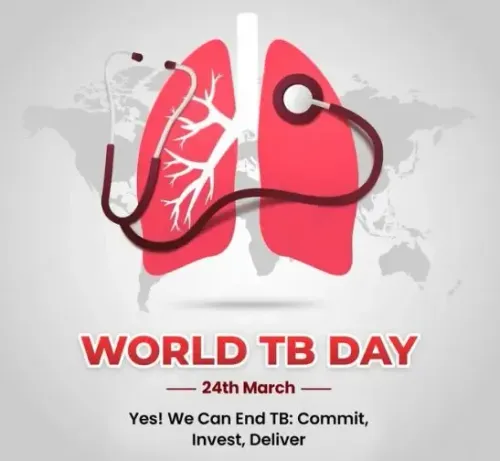
The National TB Elimination Programme targets ending TB by 2025 , using the Nikshay portal for patient tracking.
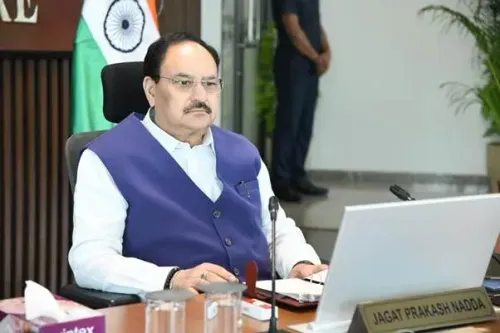
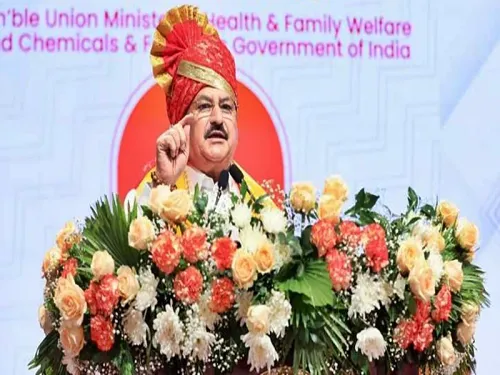
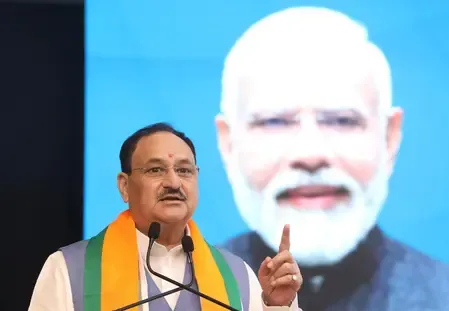
Union Health Minister J. P. Nadda on Friday, 17 July 2026, cited sweeping digital health and preventive care milestones, quoting Prime Minister Narendra Modi, underscoring that the government's telemedicine mission has crossed 48 crore consultations and that TB treatment coverage in India now stands above 90 per cent.
Context
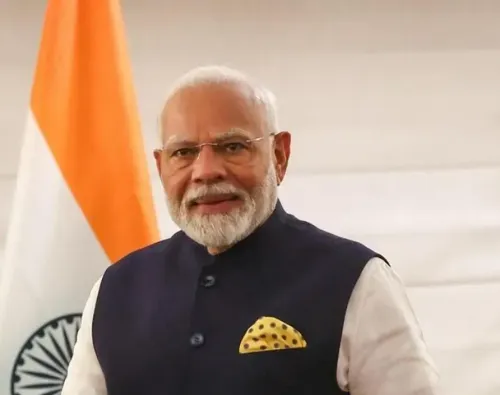
Nadda shared remarks attributed to PM Modi, stating: 'हमारी सरकार तकनीक के जरिए भी इलाज को सुगम बना रही है' ('Our government is making treatment more accessible through technology'). The post highlighted that under the e-Sanjeevani Mission, more than 48 crore telemedicine consultations have been conducted across the country. The figures were presented as evidence of the government's push to democratise healthcare access, particularly for citizens in remote and underserved areas.
The statement also emphasised a parallel focus on preventive healthcare, listing Poshan Abhiyan, Mission Indradhanush, yoga promotion, HPV vaccination, and the U-WIN platform as flagship instruments protecting the lives of crores of Indians.
Policy Backdrop
e-Sanjeevani was launched in 2019 by the Ministry of Health and Family Welfare as India's national telemedicine service, offering free remote consultations. It was significantly expanded during the COVID-19 pandemic and subsequently integrated into the broader Ayushman Bharat digital health architecture. The service connects patients — especially in rural areas — with doctors without requiring physical travel.
Mission Indradhanush, introduced in 2014, was designed to close immunisation gaps among unvaccinated and partially vaccinated children and pregnant women. Poshan Abhiyan, launched in 2018, targets stunting, under-nutrition, and anaemia. The U-WIN platform provides real-time digital tracking of vaccination records under the Universal Immunisation Programme, while HPV vaccination targets cervical cancer prevention in adolescent girls.
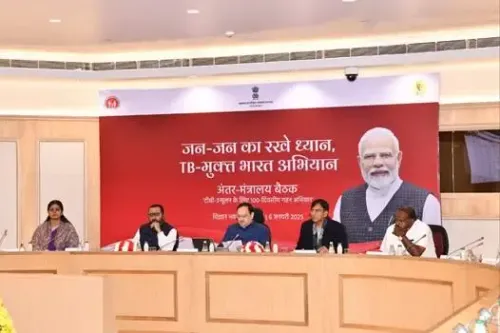
On tuberculosis, Nadda's post cited the WHO Global TB Report, stating that TB infections fell by 21 per cent within 10 years and that treatment coverage has crossed 90 per cent. The National TB Elimination Programme — which aims to end TB by 2025 — incorporates the Nikshay portal for patient tracking and a daily drug regimen replacing the older intermittent schedule.
Stakeholders and Impact
The primary beneficiaries of these programmes are rural patients, who can now access specialist consultations without travelling to cities, and children and mothers, who are the focus of both nutrition and immunisation drives. TB patients — historically concentrated among economically vulnerable populations — stand to benefit most from the reported rise in treatment coverage.
The U-WIN platform and e-Sanjeevani together represent the government's effort to digitise health delivery end-to-end, reducing dependence on physical infrastructure and paper-based records. Health officials argue this dual-track approach — curative telemedicine plus preventive programmes — addresses both immediate and long-term public health burdens.
What's Next
The next WHO Global TB Report will be closely watched to validate India's elimination trajectory under the National TB Elimination Programme. Full operationalisation of remaining components of the Ayushman Bharat Digital Mission — including universal health IDs — remains a key benchmark. State-level rollout of HPV vaccination and budget allocations for digital health infrastructure in the upcoming health ministry discussions will also be critical indicators of momentum.
Point of View
Framing health governance achievements through the voice of PM Modi — a routine but deliberate political signalling device that elevates the messaging beyond a ministerial update. The citation of a WHO report on TB lends international credibility to domestic claims, a pattern increasingly common in government health communication. The bundling of digital infrastructure milestones (e-Sanjeevani, U-WIN) with preventive programmes (Poshan Abhiyan, Mission Indradhanush) reflects the Ayushman Bharat strategy of presenting curative and preventive health as a unified arc. With the 2025 TB elimination deadline approaching, the emphasis on treatment coverage and declining infection rates also serves as a pre-emptive defence of the programme's trajectory.
NationPress
17 Jul 2026
Frequently Asked Questions
What is e-Sanjeevani and how many consultations has it completed?
e-Sanjeevani is India's national telemedicine service launched in 2019 by the Ministry of Health and Family Welfare, offering free remote doctor consultations. According to Union Health Minister J. P. Nadda's post quoting PM Modi, it has completed more than 48 crore consultations across the country.
What is India's TB treatment coverage in 2026?
The government has stated that India's TB treatment coverage has exceeded 90 per cent. A WHO Global TB Report cited in the post also noted a 21 per cent reduction in TB infections over a ten-year period.
What is the U-WIN platform in India?
The U-WIN platform is a digital system under India's Universal Immunisation Programme that tracks vaccination records in real time, ensuring children and pregnant women receive their scheduled vaccines and that the data is accessible digitally.
What is Mission Indradhanush?
Mission Indradhanush is an intensified immunisation drive launched in 2014 to vaccinate children and pregnant women who were unvaccinated or partially vaccinated. It has gone through multiple phases to progressively close immunisation gaps across India.
When is India's deadline to eliminate TB?
India's National TB Elimination Programme targets ending tuberculosis by 2025, ahead of the global deadline of 2030. The programme uses the Nikshay portal for patient tracking and a daily drug regimen to improve treatment outcomes.