Naga King Chilli farming yields ₹30–32 lakh for Seiyhama village in 2025
Synopsis
A village of 482 households in Nagaland is on track to earn ₹30–32 lakh this year from Naga King Chilli alone — with 180 families directly in on the harvest. The 4th Organic Naga King Chilli Festival at Seiyhama revealed a quiet agricultural success story: a GI-tagged indigenous crop, a community-run festival started just three years ago, and a rural income model that could scale — if transport and market-linkage gaps are addressed.
Key Takeaways
Seiyhama village in Nagaland projects a Naga King Chilli harvest of 3,200 tins and earnings of ₹30–32 lakh in 2025.
Around 180 of 482 households in the village are directly benefiting from king chilli cultivation.
1,700 tins already harvested; another 1,500 tins expected before the season ends.
Self-Help Groups producing value-added products such as pickles, projected to generate an additional ₹1–2 lakh .
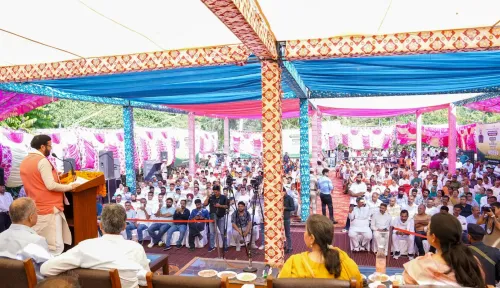
The 4th Organic Naga King Chilli Festival was held on 30 August 2025 ; the festival was first launched in 2022 .
Transportation and market access remain key challenges for farmers in the hilly region, according to organisers.
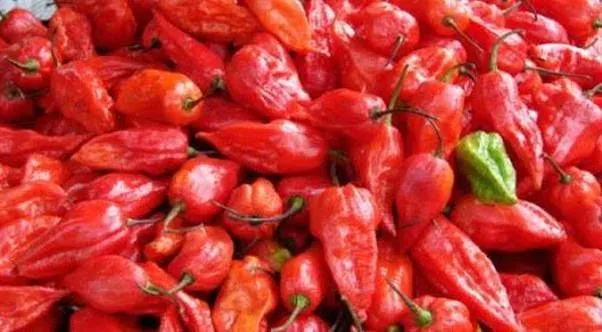
Naga King Chilli cultivation in Seiyhama village, Nagaland, is emerging as a significant rural income driver, with the community projected to harvest around 3,200 tins of the prized indigenous chilli this year and earn approximately ₹30–32 lakh from fresh chilli sales alone. The figures were presented at the 4th Organic Naga King Chilli Festival held at Seiyhama on 30 August 2025, underscoring the crop's growing economic relevance for farming households in the region.
Scale of This Year's Harvest
According to the 2026 Farming Report presented by Information and Publicity representative Kevineizo Zumu, Seiyhama has 482 households, of which around 180 households are directly benefiting from king chilli cultivation. Farmers have already harvested approximately 1,700 tins this season, with another 1,500 tins expected before the harvesting period closes — bringing projected annual output to 3,200 tins.
Zumu noted that favourable weather conditions had played a significant role in boosting this year's yield, and that participating farmers had performed well during the current cultivation season.
Value-Added Products Add to Income
Beyond fresh chilli sales, Self-Help Groups (SHGs) in the village are producing pickles and other value-added products from the harvest. These are expected to generate an additional ₹1–2 lakh, supplementing the primary income from fresh produce and demonstrating the crop's potential for downstream enterprise.
Festival as a Platform for Recognition
The festival, first organised in 2022, was conceived to introduce Seiyhama and its Raja Mircha to a broader audience. Lhoulalie Zumu, former Chairman and former Convenor of the festival organising committee, noted that the village was previously little known outside the immediate region. The annual event has since become a key platform for promoting the community's indigenous produce and its farming heritage.
Special guest Reverend Kevichalie Metha, Pastor of Peraciezie Baptist Church in Kohima and a native of Seiyhama, said the festival's growing popularity had brought wider recognition to the village. He noted that income from king chilli sales had enabled several families to strengthen their livelihoods and improve their economic prospects. He also encouraged more villagers to take up cultivation and called for sustained cooperation among farmers, community members, and other stakeholders.
Challenges: Transport, Market Access, Institutional Support
Despite the progress, challenges persist. Lhoulalie Zumu flagged transportation as a continuing constraint for farmers in the hilly terrain, noting that market access and agricultural linkages need to be strengthened to help producers reach larger markets. He acknowledged support from the Nagaland Department of Horticulture and the North Eastern Council, but called for stronger engagement from the Agriculture Department to help scale cultivation and improve marketing infrastructure.
He expressed hope that greater coordination between farmers, government departments, and other stakeholders would improve connectivity and expand business opportunities for king chilli growers in Seiyhama.
Broader Significance for Nagaland's Rural Economy
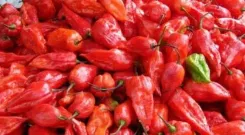
The Naga King Chilli — one of the world's hottest chillies and a product with Geographical Indication (GI) tag status — holds both cultural and commercial value for Nagaland. Seiyhama's experience illustrates how community-led agricultural festivals, paired with institutional support, can convert a traditional crop into a sustainable rural livelihood. With nearly 37% of the village's households now engaged in its cultivation, the crop is fast becoming a cornerstone of local economic identity. Whether the model can scale beyond Seiyhama will depend on resolving the infrastructure and market-linkage gaps that organisers have flagged.
Point of View
But for its model. A GI-tagged indigenous crop, a community-organised festival, and SHG-led value addition have together created a replicable rural income framework in one of India's most geographically isolated regions. Yet the ceiling is visible: transport bottlenecks and weak market linkages are structural constraints that goodwill alone cannot fix. The Nagaland government's engagement so far — through the Department of Horticulture and the North Eastern Council — has been acknowledged, but organisers are clearly signalling that the Agriculture Department's absence is a gap. Without last-mile connectivity and a formal marketing channel, Seiyhama's success risks remaining a festival talking point rather than a scalable model for Nagaland's broader agrarian economy.
NationPress
30 Aug 2026
Frequently Asked Questions
What is the Naga King Chilli and why is it significant?
The Naga King Chilli, also called Raja Mircha, is one of the world's hottest chillies and an indigenous crop of Nagaland with a Geographical Indication (GI) tag. It holds cultural importance for the region and is increasingly recognised as a commercial crop with rural livelihood potential.
How much is Seiyhama village expected to earn from king chilli in 2025?
Seiyhama is projected to earn around ₹30–32 lakh from the sale of fresh king chillies in 2025, based on an expected annual harvest of 3,200 tins. An additional ₹1–2 lakh is expected from value-added products such as pickles made by Self-Help Groups.
How many households in Seiyhama are involved in king chilli cultivation?
Around 180 of the village's 482 households are directly benefiting from king chilli cultivation, according to the 2026 Farming Report presented at the 4th Organic Naga King Chilli Festival.
What is the Organic Naga King Chilli Festival and when did it start?
The Organic Naga King Chilli Festival is an annual community event held in Seiyhama to promote the village and its indigenous king chilli produce. It was first organised in 2022 and has since grown into a key platform for recognition and rural enterprise. The 4th edition was held on 30 August 2025.
What challenges do king chilli farmers in Seiyhama face?
Transportation remains the primary challenge for farmers in the hilly terrain, limiting their ability to reach larger markets. Organisers have also called for stronger agricultural and marketing linkages, particularly from the Nagaland Agriculture Department, to help scale production and improve market access.