Nagaland Governor pushes for Myanmar road links, flags Meluri's trade edge
Synopsis
Nagaland's youngest district, Meluri, shares a stretch of India's unfenced 215-km Myanmar border — and Governor Nand Kishore Yadav is pushing to turn that geographic reality into an economic asset. With the Avakhung Trade Centre, inland waterways potential, and Act East Policy backing, Meluri could become a model border district — if the roads get built.
Key Takeaways
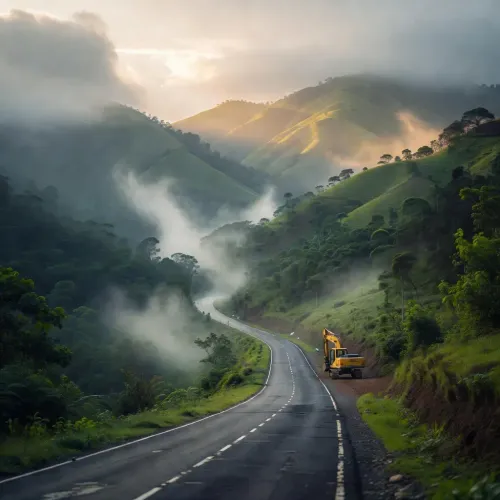
Governor Nand Kishore Yadav visited Meluri district on 28 October 2026 and called for improved road connectivity with Myanmar .
He highlighted the International Trade Centre at Avakhung as a key asset for cross-border trade under India's Act East Policy .
Meluri's potential in inland waterways , mineral resources , agriculture , and tourism was flagged for accelerated development.
Nagaland's six easternmost districts share an unfenced border of approximately 215 km with Myanmar.
The Governor described Meluri — the state's youngest district — as a potential model border district for peaceful and sustainable growth.
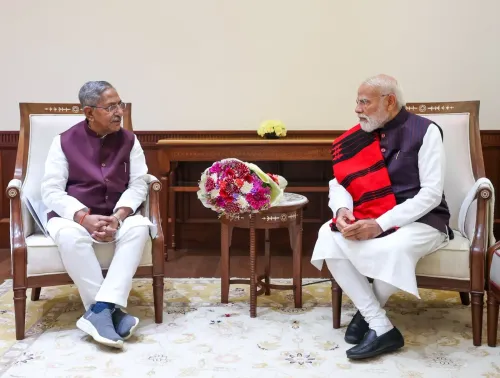
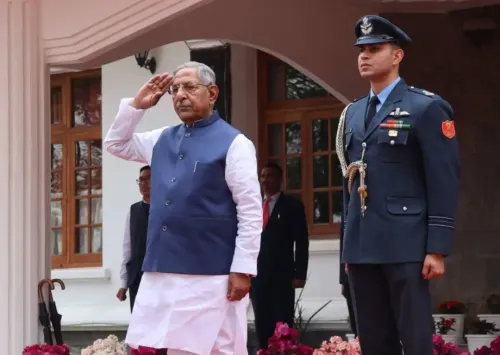
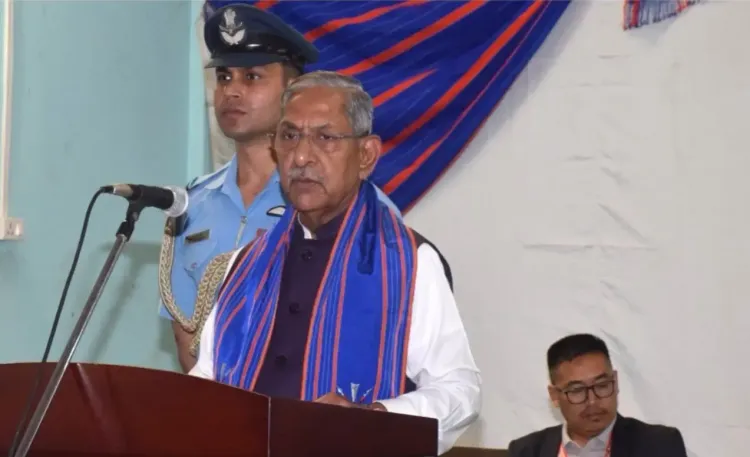
Nagaland Governor Nand Kishore Yadav on Wednesday, 28 October 2026, called for urgent improvements to road connectivity with Myanmar, asserting that stronger infrastructure would unlock cross-border trade, boost tourism, and accelerate economic development in Meluri district — Nagaland's youngest and easternmost district. The Governor made the remarks during an official visit to Meluri and a subsequent meeting with district officials.
Meluri's Strategic Advantage
Governor Yadav described Meluri as a region endowed with rich natural resources, scenic landscapes, and a strategically significant position along the international boundary with Myanmar. He pointed to the district's geographical advantages in inland waterways and power trade as underexplored avenues that could drive meaningful economic growth if matched with adequate infrastructure.
The Governor also spotlighted the International Trade Centre at Avakhung as a critical asset for expanding cross-border commerce and deepening India's connectivity with Southeast Asia under the Government of India's Act East Policy. He urged that this facility be leveraged to its full potential without delay.
What Officials Said
Z. Nyusietho Nyuthe, Advisor to the Nagaland State Disaster Management Authority and Inland Waterways, briefed the Governor on Meluri's strategic importance and development potential. He emphasised that improving connectivity and strengthening infrastructure would open new channels for economic growth and contribute to the broader socio-economic advancement of both the district and the state.
Nyuthe's briefing underscored a consistent message: infrastructure investment in Meluri is not merely a local need but a strategic imperative for the region's integration into India's eastern trade architecture.
Key Development Priorities
The Governor called for a multi-sector development push covering mineral resources, agriculture, horticulture, and tourism, while stressing that environmental protection and the welfare of local communities must remain central to any growth plan. He highlighted the need to strengthen essential services — education, healthcare, drinking water, electricity, and digital connectivity — as foundational pillars for improving quality of life.
Yadav also noted the district's administrative journey: from the establishment of a Bench Court in 1958 to attaining full district status — a milestone he described as symbolic of its progress and readiness for accelerated development.
Border Context and Regional Significance
Meluri sits within a sensitive geopolitical corridor. Of Nagaland's 17 districts, the six easternmost districts share an unfenced border of approximately 215 km with Myanmar, making security, trade, and infrastructure planning deeply interlinked. This comes amid India's broader strategic push to deepen engagement with Southeast Asia, where border districts in the Northeast serve as natural gateways.
Governor Yadav urged all government departments to work with urgency and a clear vision, encouraging the people of Meluri to actively participate in shaping the district's future. He expressed confidence that Meluri could emerge as a model border district — peaceful, well-connected, environmentally responsible, and economically vibrant — contributing to both Nagaland's growth and India's Act East ambitions.
Point of View
But it repeats a familiar pattern in Northeast India: high-level attention to border districts tends to produce vision statements rather than timelines or budgets. Meluri's proximity to Myanmar is a genuine strategic asset, yet the Avakhung Trade Centre has existed for years without becoming the commerce hub it was designed to be. The real gap is not the articulation of potential — it is the execution of infrastructure on terrain that has historically received last-mile investment last. Until road-building targets, funding tranches, and accountability mechanisms are publicly committed, the district's 'model border' framing remains aspirational.
NationPress
28 Oct 2026
Frequently Asked Questions
Why is Meluri district important for India-Myanmar trade?
Meluri shares a stretch of Nagaland's approximately 215-km unfenced border with Myanmar, giving it direct access to cross-border trade routes. The district hosts the International Trade Centre at Avakhung, which is positioned to facilitate commerce with Southeast Asia under India's Act East Policy.
What did Nagaland Governor Nand Kishore Yadav say about connectivity?
Governor Yadav stressed the need for improved road infrastructure linking Meluri to Myanmar, arguing it would enhance market access, essential services, and opportunities in trade and tourism. He also highlighted the district's potential in inland waterways and power trade given its location along the international boundary.
What is the Act East Policy and how does Meluri fit into it?
The Act East Policy is the Government of India's framework for deepening economic, strategic, and cultural ties with Southeast Asia, with the Northeast serving as the primary gateway. Meluri's border location and the Avakhung Trade Centre make it a frontline district for this policy, though infrastructure gaps have so far limited its role.
Which sectors does the Governor want to develop in Meluri?
Governor Yadav called for development across mineral resources, agriculture, horticulture, tourism, and inland waterways, alongside stronger essential services such as education, healthcare, drinking water, electricity, and digital connectivity — all while prioritising environmental conservation and community welfare.
How many Nagaland districts share a border with Myanmar?
Six of Nagaland's 17 districts — the easternmost ones — share an unfenced border of approximately 215 km with Myanmar, making the region strategically significant for cross-border trade and security management.