CM Rio pushes Trans-Nagaland Highway to link 7 districts
Synopsis
Nagaland Chief Minister Neiphiu Rio has publicly championed the Trans-Nagaland Highway, also called the Foothill Road, calling it a transformative corridor set to connect seven districts and over 100 towns and villages, unlock economic potential, and drive growth across the state's foothill belt.
Key Takeaways
CM Neiphiu Rio highlighted the Trans-Nagaland Highway (Foothill Road) on 15 June 2026 as a transformative infrastructure project.
The corridor is designed to connect seven districts and more than 100 towns and villages in Nagaland .
The highway aims to bypass difficult hill terrain by running along the state's foothills, cutting travel times between districts.
The project aligns with the Union government's Act East Policy and Bharatmala Pariyojana , both of which prioritise Northeast connectivity.
Land acquisition involving tribal councils and coordinated state-central funding remain the key hurdles to execution.
Successful completion could serve as a model for arterial road development across other hilly Northeastern states.
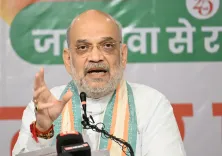
Nagaland Chief Minister Neiphiu Rio on Monday, 15 June 2026 publicly emphasised the strategic importance of the Trans-Nagaland Highway, also known as the Foothill Road, describing it as a transformative corridor that would connect seven districts and more than 100 towns and villages across the state.
Context
In his post on X, Chief Minister Rio underscored that the highway would 'boost connectivity, unlock economic potential, and drive growth' for Nagaland. The statement signals renewed political momentum behind a project that has long featured in state development blueprints but has faced persistent implementation challenges owing to the state's difficult hill terrain and complex land-rights landscape.
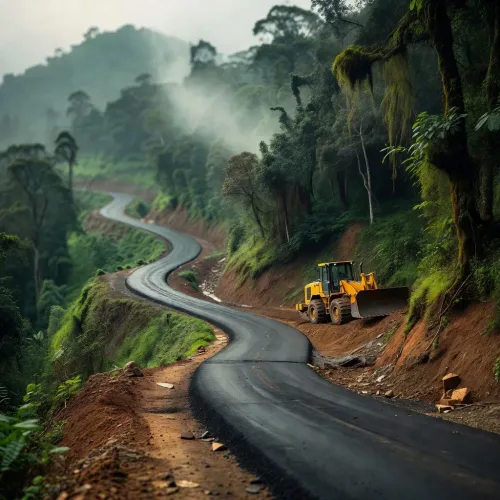
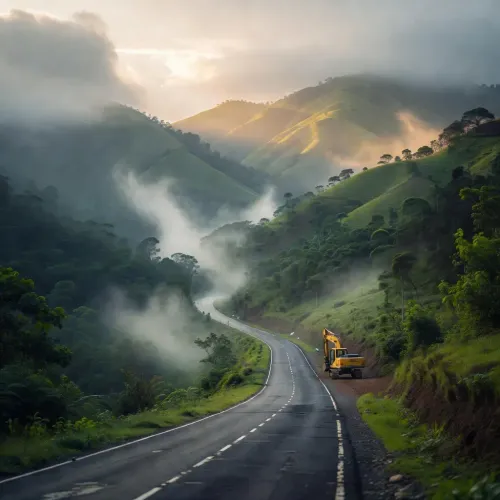
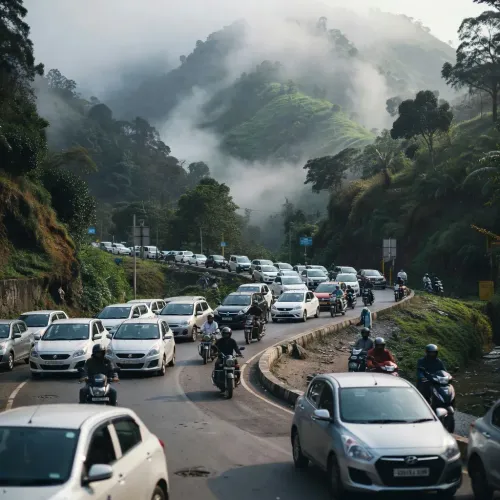
The Trans-Nagaland Highway is conceived as an arterial route running along the foothills of Nagaland, designed to bypass steep gradients that make conventional hill roads slow and expensive to maintain. By threading through the lower elevations, the corridor is expected to dramatically cut travel time between districts that are currently linked only by winding mountain roads.
Policy Backdrop
The Foothill Road concept has appeared in Nagaland's state development plans since the early 2000s as a priority arterial route. It gained renewed traction after the Union government's Act East Policy, launched in 2014, placed Northeast connectivity at the centre of India's foreign and domestic infrastructure agenda.
The Bharatmala Pariyojana, the central government's flagship road-development programme, extended its coverage to frontier states, creating a potential funding channel for projects such as the Trans-Nagaland Highway. Coordinated financing between the Nagaland Public Works Department and the Ministry of Road Transport and Highways has been identified as essential for the corridor's execution.
Rio's Nationalist Democratic Progressive Party has led coalition governments in Nagaland with an explicit focus on infrastructure and economic development, making the Foothill Road a recurring policy commitment across successive terms.
Stakeholders and Impact
The highway's most direct beneficiaries would be residents of the seven districts it is slated to traverse, along with local traders and village communities in the more than 100 towns and villages along the corridor. Improved road access is widely seen as a prerequisite for unlocking agricultural markets, tourism potential, and supply-chain links in a state where geographic isolation has historically constrained economic activity.
The project also intersects with sensitive land-rights questions, as large stretches of Nagaland's terrain are governed by tribal customary land laws administered by village and tribal councils. Any land acquisition for the highway requires careful negotiation with these bodies, a process that has slowed similar infrastructure projects in the Northeast in the past.
What's Next
Observers will watch for concrete follow-through: tender awards, progress on land acquisition, and joint review meetings between state and central agencies. CM Rio's public emphasis on the project suggests the state government intends to keep the Trans-Nagaland Highway at the top of its infrastructure agenda. If land and funding hurdles are resolved, the corridor could reshape economic geography across Nagaland's foothill belt and serve as a model for arterial connectivity in other hilly Northeastern states.
Point of View
Rio is aligning state priorities with the Union government's Act East Policy narrative, which could strengthen the case for central funding. The statement also carries domestic political weight: with tribal land-rights negotiations still unresolved, a visible push from the Chief Minister's office may be intended to build public consensus ahead of what are likely to be difficult acquisition talks. Whether this rhetorical momentum translates into tender awards and ground-breaking will be the real test of the government's commitment.
NationPress
14 Sept 2026
Frequently Asked Questions
What is the Trans-Nagaland Highway or Foothill Road?
The Trans-Nagaland Highway, also called the Foothill Road, is a long-planned arterial corridor along Nagaland's foothills designed to connect seven districts and over 100 towns and villages, bypassing the state's difficult hill terrain to reduce travel times and boost economic activity.
How many districts will the Trans-Nagaland Highway connect?
According to Chief Minister Neiphiu Rio, the Trans-Nagaland Highway is planned to connect seven districts and more than 100 towns and villages across Nagaland.
What is Neiphiu Rio's role in the Trans-Nagaland Highway project?
Neiphiu Rio is the Chief Minister of Nagaland and leader of the Nationalist Democratic Progressive Party. He has publicly championed the Trans-Nagaland Highway as a transformative project and his government is responsible for coordinating its planning and execution with central agencies.
How does the Trans-Nagaland Highway relate to the Act East Policy?
The Act East Policy, launched in 2014, placed Northeast India's connectivity at the centre of the Union government's agenda. The Trans-Nagaland Highway aligns with this policy framework and may be eligible for funding under the Bharatmala Pariyojana, the central road-development programme extended to frontier states.
What are the main challenges facing the Trans-Nagaland Highway project?
The primary challenges include land acquisition from tribal communities governed by customary land laws, coordinated funding between the Nagaland Public Works Department and the Ministry of Road Transport and Highways, and the state's difficult topography.