Namakkal poultry farmers bleed losses as maize, feed costs surge in 2024
Synopsis
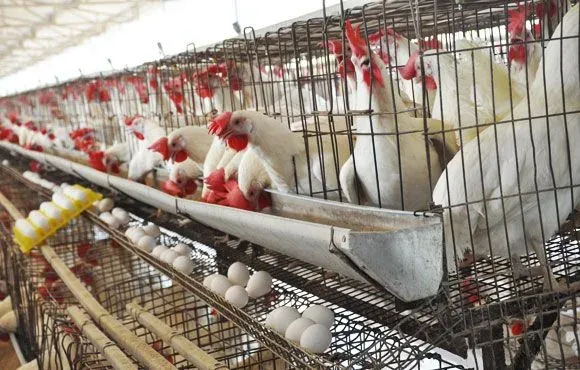
Namakkal's poultry farmers are selling eggs below cost — ₹5.20 against a ₹5.50 production price — as maize jumps 36% on ethanol demand and imported supplements like lysine and methionine spike more than fivefold. With seasonal demand weak and no policy relief in sight, one of India's biggest egg belts is bleeding.
Key Takeaways
Maize prices in Namakkal have risen from ₹22 per kg to ₹30 per kg in a year, driven by ethanol manufacturers diverting supplies.
Farm-gate egg price stands at ₹5.20 against a production cost of ₹5.50 , a loss of 30 paise per egg .
Broiler chicken sells at ₹80 per kg versus a production cost of ₹110 per kg , a loss of ₹30 per kg .
Lysine and methionine prices have surged from ₹150 per kg to ₹800 per kg ; soya has doubled and phosphorus has tripled.
A large share of feed supplements is imported from China ; higher freight costs linked to the Gulf conflict are blamed for the spike.
Seasonal demand weakness during Shravan month is adding further downward pressure on egg prices.
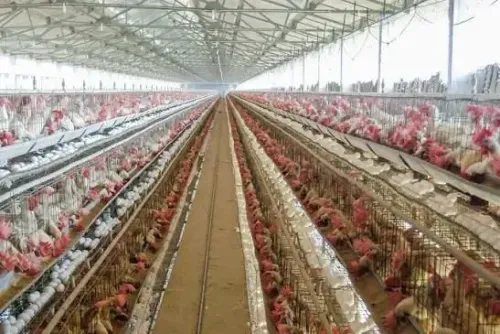
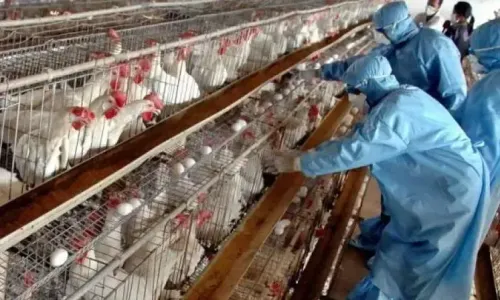
Poultry farmers in Namakkal, one of India's foremost egg-production hubs, are facing acute financial distress as the cost of maize and key feed supplements has surged sharply, squeezing margins to the point where farmers are losing money on every egg and broiler chicken sold. Rising demand from ethanol manufacturers is being widely cited as the primary driver of the maize price spike.
Maize Prices Climb on Ethanol Demand
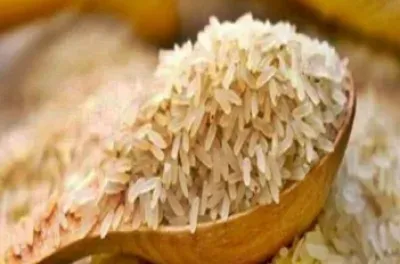
Maize, the single largest ingredient in poultry feed, now trades at around ₹30 per kg — up from approximately ₹22 per kg a year ago, a jump of nearly 36%. Farmers attribute the increase to growing volumes of the grain being diverted to ethanol plants, a trend that reportedly began about two years ago but has intensified significantly this year.
Namakkal's poultry industry sources maize primarily from Uttar Pradesh, Bihar, and Karnataka. The sector has not yet hit an acute shortage, but farmers warn that supplies could come under pressure if ethanol procurement continues to rise. Adding to concerns, industry representatives allege that certain traders are deliberately withholding stocks to engineer artificial scarcity and push prices higher.
Feed Supplement Costs Spiral Across the Board
The crisis extends well beyond maize. Prices of virtually every major feed ingredient have risen steeply over the past year. Soya, previously priced at around ₹30 per kg, is now selling for ₹60 or more — a doubling in cost. Phosphorus, an imported mineral critical to poultry nutrition, has tripled from roughly ₹30 per kg to ₹90 per kg.
Essential amino acids used in feed formulations have seen even steeper increases. Lysine and methionine — both vital to bird health and productivity — have surged from approximately ₹150 per kg to around ₹800 per kg, a more than fivefold rise. A significant share of these supplements is imported from China, and industry representatives have linked the price escalation to higher shipping and freight costs stemming from disruptions associated with the Gulf conflict.
Farmers Selling Below Production Cost
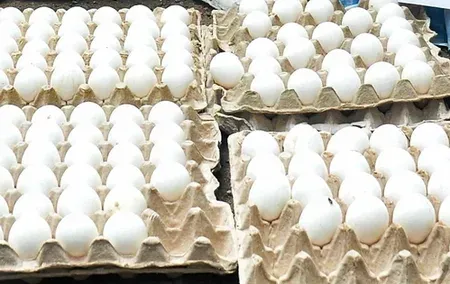
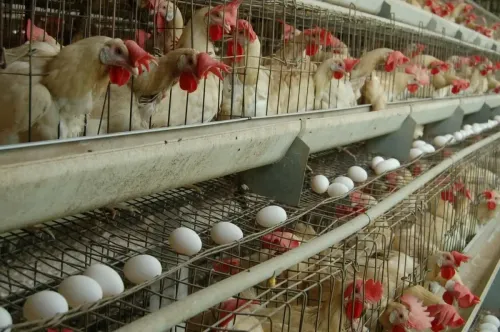
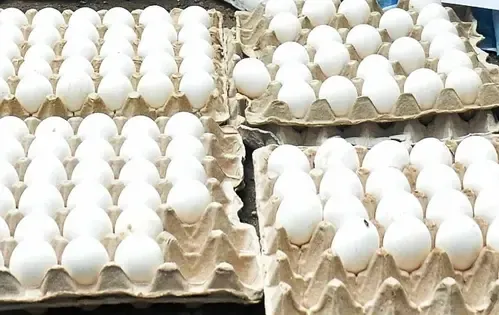
Despite ballooning input costs, farm-gate prices for eggs and broilers have not kept pace. The farm-gate price of an egg currently stands at approximately ₹5.20, while the estimated production cost is close to ₹5.50 — meaning farmers are absorbing a loss of roughly 30 paise on every egg sold.
Broiler producers are in an even more precarious position. The farm-gate price of broiler chicken is around ₹80 per kg, well below the estimated production cost of ₹110 per kg, translating to a loss of ₹30 per kg on every bird sold.
Seasonal Demand Slump Compounds the Pain
Egg demand has weakened further during the Shravan month, when a large segment of consumers traditionally abstain from non-vegetarian food. This seasonal dip has added downward pressure on already-depressed prices. Farmers are hoping that consumption picks up with the arrival of winter, when egg demand historically strengthens. However, if feed costs continue their upward trajectory, any seasonal price recovery may not be sufficient to restore profitability.
The situation in Namakkal is a stress test for India's broader poultry sector, and without policy intervention — whether through regulated maize allocation, import duty relief on feed supplements, or minimum support price mechanisms — the financial strain on farmers is likely to deepen.
Point of View
While import dependencies on Chinese amino acids have left the sector exposed to freight shocks it cannot absorb. The fact that farmers are selling both eggs and broilers below cost is not a market aberration — it is the predictable outcome of input inflation meeting demand-side inelasticity. What is missing is a maize allocation framework that ringfences a minimum supply for the poultry sector, and a rationalised import duty structure for feed supplements. Without either, the next wave of ethanol expansion could tip Namakkal from distress into structural contraction — with consequences for egg supply and retail prices across South India.
NationPress
15 Oct 2026
Frequently Asked Questions
Why are poultry farmers in Namakkal facing financial losses?
Namakkal's poultry farmers are losing money because input costs — particularly maize and feed supplements — have risen sharply, while farm-gate prices for eggs and broilers have not kept pace. Farmers are currently losing about 30 paise on every egg sold and ₹30 per kg on broiler chicken.
How has ethanol production affected poultry feed costs?
Growing demand for maize from ethanol manufacturers has diverted significant quantities of the grain away from poultry feed use, pushing prices from around ₹22 per kg a year ago to approximately ₹30 per kg. The diversion reportedly began two years ago but has intensified substantially this year.
Which feed supplements have seen the steepest price increases?
Lysine and methionine, essential amino acids used in poultry feed, have surged from approximately ₹150 per kg to around ₹800 per kg. Soya has doubled from ₹30 to ₹60 per kg, and phosphorus has tripled from ₹30 to ₹90 per kg.
Why have imported feed supplement prices risen so sharply?
A large portion of poultry feed supplements, including amino acids, is imported from China. Industry representatives have attributed the price surge to elevated shipping and freight costs caused by disruptions linked to the Gulf conflict.
When do Namakkal poultry farmers expect conditions to improve?
Farmers are hoping that egg demand and prices will recover with the onset of winter, when consumption of non-vegetarian food traditionally picks up. However, if feed costs continue rising, any seasonal demand improvement may not be enough to restore profitability.