NCB Chandigarh secures conviction of two drug traffickers in 2019 opium poppy straw case

Synopsis
Five years after intercepting a truck carrying 500 kg of opium poppy straw on the Jammu and Kashmir-Punjab corridor, the NCB Chandigarh has finally secured 11-year rigorous imprisonment sentences for two convicts — while a third accused remains at large as a proclaimed offender, declared so as recently as December 2025.
Key Takeaways
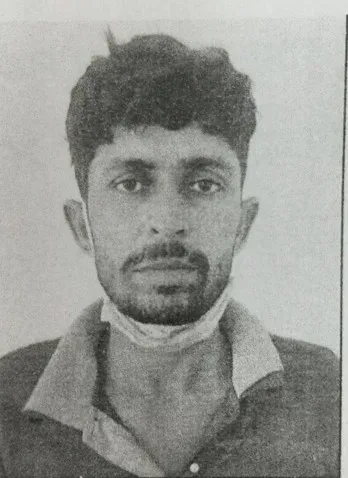
The NCB Chandigarh secured conviction of Muzaffar Ahmad Mir (J&K) and Charanjit Singh Cheema (Hoshiarpur) on 30 September 2026 .
Both were sentenced to 11 years of rigorous imprisonment and fined ₹2 lakh each by the Special NDPS Court, Hoshiarpur .
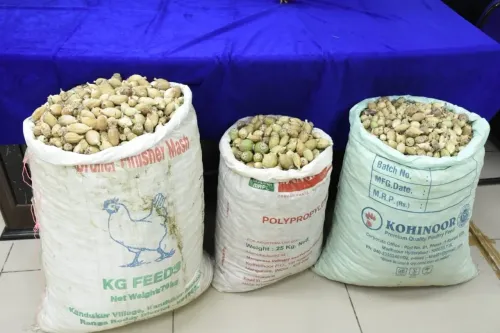
The original seizure on 26 June 2019 near Mukerian recovered 500 kg of opium poppy straw hidden in 20 sacks beneath scrap in a truck.
A third accused, Sheikh , jumped bail, was declared a proclaimed offender in December 2025 , and remains at large.
Separately, on 26 September , a Special NDPS Court sentenced nine traffickers to 10–20 years RI in a 2021 ganja seizure case in Firozabad, UP .
The Narcotics Control Bureau (NCB), Chandigarh has secured the conviction of two drug traffickers connected to an interstate opium poppy straw smuggling attempt that was foiled on 26 June 2019, according to an official statement released on Wednesday, 30 September 2026. The verdict was delivered by the Special NDPS Court in Hoshiarpur, Punjab, closing a case that began when investigators intercepted a truck concealing 500 kg of contraband near Mukerian.
Sentences Handed Down
Muzaffar Ahmad Mir of Jammu and Kashmir and Charanjit Singh Cheema of Hoshiarpur were each sentenced to 11 years of rigorous imprisonment and fined ₹2 lakh. The court's order marks the formal conclusion of a trial that has been pending for over five years, with sentencing now on record for both principal convicts.
How the 2019 Seizure Unfolded
On 26 June 2019, an NCB Chandigarh team intercepted a truck bearing registration number JK-13-B 7759 near Mukerian. The 500 kg of opium poppy straw had been packed into 20 sacks and concealed beneath scrap material loaded in the vehicle's cargo area. The consignment was reportedly in transit from Jammu and Kashmir to Punjab, illustrating the well-documented interstate drug supply routes that enforcement agencies have been attempting to disrupt across the northern corridor.
Third Accused Remains a Proclaimed Offender
A third accused, identified only as Sheikh, was arrested alongside Mir and Cheema but subsequently jumped bail and absconded. The court declared him a proclaimed offender in December 2025, and the NCB stated that all efforts are under way to apprehend him. His continued evasion underlines the operational challenges that follow even successful seizures.
Recent NCB Conviction Record
This outcome follows a separate enforcement milestone earlier in the same week. On 26 September, the NCB announced that a Special NDPS Court had sentenced nine drug traffickers to rigorous imprisonment ranging from 10 to 20 years in connection with the 2021 seizure of 441 kg of ganja in Firozabad, Uttar Pradesh. In that case, the contraband — originating from Gajapati, Odisha and headed for Aligarh, Uttar Pradesh — had been hidden in a specially constructed cavity inside the truck driver's cabin. Seven additional accused were arrested during the NCB's extended investigation. Together, the two convictions signal a pattern of the bureau pursuing long-pending cases through to final sentencing.
What This Means for Anti-Narcotics Enforcement
The Chandigarh NCB conviction reinforces the bureau's prosecutorial track record in cases involving the Punjab-Jammu and Kashmir drug corridor, a route that enforcement agencies have flagged as a persistent channel for opium-based contraband. Critics of drug policy, however, note that successful convictions years after the original seizures highlight the strain on the NDPS court system and the need for faster trial timelines to act as a genuine deterrent. The NCB has reiterated its commitment to a drug-free India, with the third accused in this case still at large and being actively pursued.
Point of View
But the NDPS court backlog means that deterrence — which requires swift and visible punishment — is significantly diluted. The case also highlights the persistent J&K-Punjab drug corridor: the same route that has featured in enforcement data for years continues to surface in fresh prosecutions. Most critically, a third accused has been a proclaimed offender since December 2025, exposing how bail supervision and post-conviction absconding remain weak links even when investigations are otherwise airtight.
NationPress
30 Sept 2026
Frequently Asked Questions
Who were convicted in the NCB Chandigarh 2019 drug case?
Muzaffar Ahmad Mir of Jammu and Kashmir and Charanjit Singh Cheema of Hoshiarpur were convicted. Both were sentenced to 11 years of rigorous imprisonment and fined ₹2 lakh each by the Special NDPS Court in Hoshiarpur.
What contraband was seized in the 2019 NCB Chandigarh case?
NCB teams intercepted 500 kg of opium poppy straw on 26 June 2019 near Mukerian, Punjab. The contraband was packed in 20 sacks and concealed beneath scrap material in a truck en route from Jammu and Kashmir to Punjab.
What happened to the third accused, Sheikh?
Sheikh was arrested alongside the two convicts but later jumped bail and absconded. The court declared him a proclaimed offender in December 2025, and the NCB has stated that efforts to apprehend him are ongoing.
What was the separate NCB conviction announced on 26 September?
A Special NDPS Court sentenced nine drug traffickers to rigorous imprisonment ranging from 10 to 20 years for the 2021 seizure of 441 kg of ganja in Firozabad, Uttar Pradesh. The contraband had originated in Gajapati, Odisha, and was destined for Aligarh, UP.
Why do NCB drug convictions often take several years?
Drug cases under the NDPS Act are tried by Special Courts, which face significant backlogs across India. In this case, the original seizure occurred in June 2019 and sentencing came over five years later — a timeline critics argue weakens the deterrent effect of enforcement action.