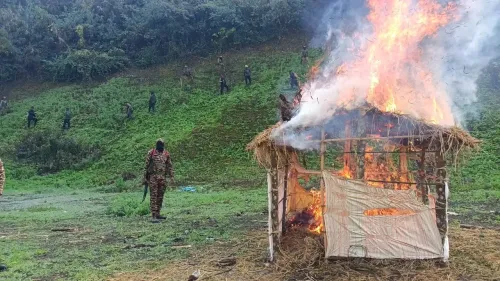
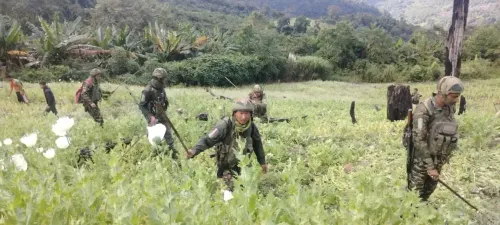
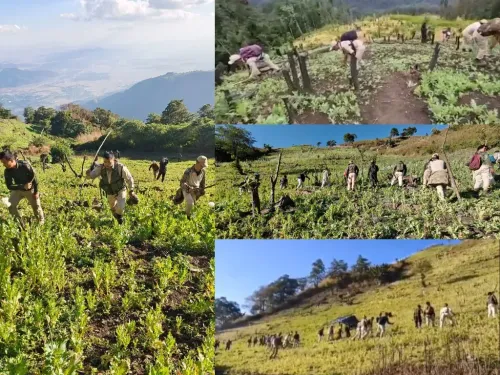
NCB destroys 1.37 lakh kg cannabis across 458 acres in Arunachal Pradesh
Synopsis
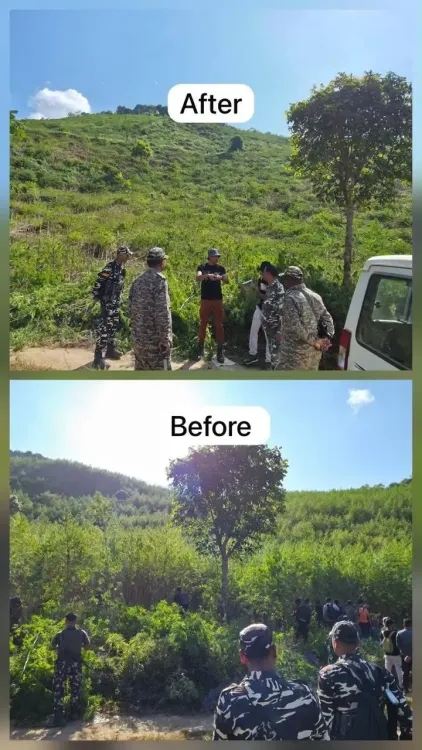
The NCB and security forces have cleared over 458 acres of illicit cannabis in Arunachal Pradesh's West Kameng district — destroying more than 1.37 lakh kg of plants in just nine days. The area cleared in 2026 alone is already eight times the entire 2025 figure, signalling a sharp enforcement escalation under India's new narcotics Vision Document.
Key Takeaways
The NCB , SSB , CRPF , and Arunachal Pradesh Police destroyed over 1.37 lakh kg of cannabis plants across 458 acres in West Kameng district .
The operation ran from 26 October to 3 November 2026 in the Kalaktang subdivision , involving 118 personnel .
Area cleared in Arunachal Pradesh in 2026 is more than eight times the total cleared in all of 2025 .
Upcoming drives will target opium poppy cultivation in Lohit , Tirap , Changlang , Longding , and five other districts.
The operation is part of the Vision Document on Narcotics Control (2026–2029) , which mandates a 'whole-of-government approach' to crop eradication.
Citizens can report illicit cultivation confidentially via the MANAS helpline at toll-free number 1933 .
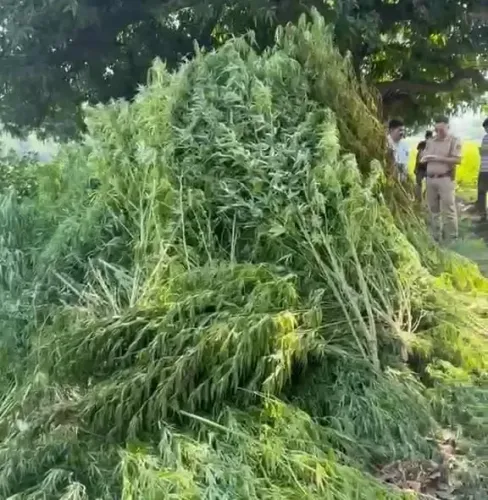
The Narcotics Control Bureau (NCB), acting in coordination with the Sashastra Seema Bal (SSB), Central Reserve Police Force (CRPF), and Arunachal Pradesh Police, has destroyed illicit cannabis cultivation spread across approximately 458 acres in West Kameng district of Arunachal Pradesh. The joint operation eliminated more than 1.37 lakh kg of cannabis plants, primarily grown on community lands, in what officials describe as a significant escalation of the state's anti-narcotics campaign.
Operation Details and Scale
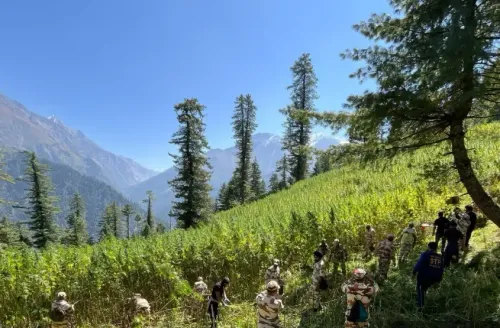
The drive was conducted in the Kalaktang subdivision of West Kameng between 26 October and 3 November 2026, forming the first phase of an ongoing anti-narcotics push. The operation was led by the NCB's Itanagar Zonal Unit and deployed 118 personnel and workers, with active participation from the SSB, CRPF, Arunachal Pradesh Anti-Narcotics Task Force, West Kameng Police, and the district administration.
Ground surveys carried out by the West Kameng Police and district administration, supplemented by satellite imagery provided by the NCB, were instrumental in locating illicit cultivation sites across the district's rugged terrain. The use of remote sensing technology reflects a shift toward data-driven enforcement in difficult geographies.
A Dramatic Year-on-Year Surge in Clearances
According to the NCB, the total area cleared of illicit cannabis cultivation across Arunachal Pradesh in 2026 now stands at more than eight times the area cleared during the entirety of 2025. This sharp jump signals a marked intensification in enforcement activity under the Vision Document on Narcotics Control (2026–2029), which mandates mapping of illicit cultivation hotspots and coordinated crop destruction through a 'whole-of-government approach' involving central, state, and district agencies.
Notably, the NCB has identified several additional locations across Arunachal Pradesh where both illicit cannabis and opium poppy are being cultivated. Upcoming operations are planned to target sites in Lohit, Lower Dibang Valley, Dibang Valley, Namsai, Anjaw, Tirap, Changlang, and Longding districts.
Part of a Nationwide Crackdown
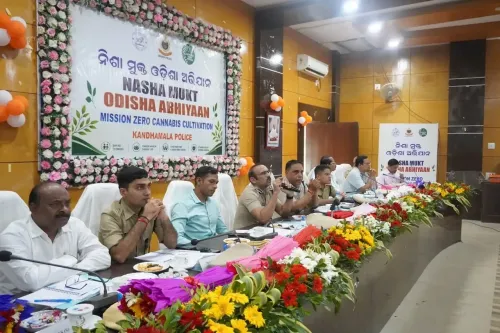
The Arunachal Pradesh operation is not an isolated effort. The NCB has simultaneously led drives in other narcotics-affected regions. An earlier operation cleared approximately 592 acres of illicit cannabis cultivation in the Parvati Valley of Kullu district in Himachal Pradesh. In Odisha, the bureau participated in the launch of 'Mission Zero Cannabis Cultivation' in Kandhamal and Boudh districts, with around 30 acres cleared in Kandhamal as part of the initiative. This comes amid growing concern at the Centre over illicit cultivation networks in remote tribal and forested areas, which enforcement agencies say are increasingly linked to inter-state trafficking routes.
Public Reporting and the MANAS Helpline
The NCB has urged citizens to report illicit cultivation or drug trafficking activity. Information can be shared confidentially through the MANAS National Narcotics Helpline at the toll-free number 1933. The bureau says community participation is central to its long-term eradication strategy, particularly in areas where cultivators operate on community or forest lands that are difficult to monitor through conventional policing alone.
Further joint operations across the state are expected to follow in the coming weeks as the NCB's phased enforcement calendar under the 2026–2029 Vision Document continues to roll out.
Point of View
Repeat cultivation is a persistent risk. The expansion of targets to opium poppy districts in eastern Arunachal — bordering Myanmar — also signals that enforcement is now pressing into the most sensitive and difficult terrain. How the Centre balances forcible eradication with alternative livelihood programmes will determine whether these numbers translate into lasting change or simply shift cultivation to the next unmonitored valley.
NationPress
7 Nov 2026
Frequently Asked Questions
What was destroyed in the NCB operation in Arunachal Pradesh?
The NCB-led joint operation destroyed more than 1.37 lakh kg of illicit cannabis plants across approximately 458 acres in the Kalaktang subdivision of West Kameng district, Arunachal Pradesh. The plants were primarily cultivated on community lands.
When did the Arunachal Pradesh cannabis destruction operation take place?
The first phase of the operation ran from 26 October to 3 November 2026. It was conducted by 118 personnel drawn from the NCB, SSB, CRPF, the Arunachal Pradesh Anti-Narcotics Task Force, and local police and district administration.
How does the 2026 crackdown compare to previous years?
According to the NCB, the total area cleared of illicit cannabis cultivation in Arunachal Pradesh in 2026 is already more than eight times the total area cleared during the entire year of 2025, indicating a sharp escalation in enforcement.
Which other districts in Arunachal Pradesh are being targeted next?
The NCB has identified illicit opium poppy cultivation sites in Lohit, Lower Dibang Valley, Dibang Valley, Namsai, Anjaw, Tirap, Changlang, and Longding districts. Further joint operations targeting these areas are planned as part of the ongoing crackdown.
How can citizens report illicit drug cultivation?
The NCB has urged the public to report illicit cultivation or trafficking confidentially through the MANAS National Narcotics Helpline at toll-free number 1933. Community tip-offs are considered central to the bureau's long-term eradication strategy.