NCW forms 3 expert panels to protect women's rights in ART and IVF

Synopsis
The NCW has launched a structured, three-panel expert review of India's ART and IVF sector — a signal that the Commission believes existing legislation is not adequately protecting women who use these services. With panels covering ethics, law, and medicine separately, the recommendations could reshape how IVF clinics are regulated and held accountable across the country.
Key Takeaways
The National Commission for Women (NCW) constituted three expert panels on 21 July to review ART and IVF services in India.
Justice (Retd.) Asha Menon chairs the Expert Committee; NCW Chairperson Vijaya Rahatkar convened the inaugural meeting in New Delhi .
The Ethical Group will cover informed consent, donor management, embryo issues, and prevention of exploitation.
The Legislative and Regulatory Group will assess enforcement gaps and recommend legal and policy reforms to existing ART laws.
The Medical and Preventive Group will examine clinical protocols, patient safety, laboratory standards, and international best practices.
The Ministry of Health and Family Welfare was represented at the meeting by Richa Saxena , Scientist C in the DHR's ART and Surrogacy Division.
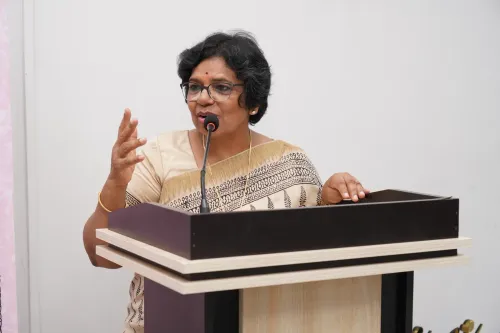
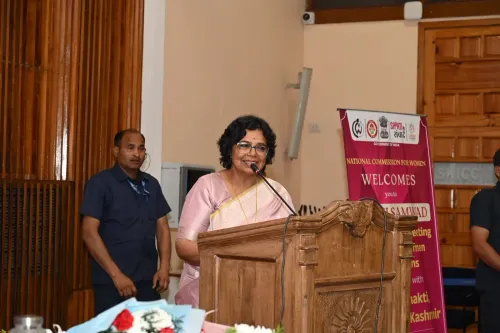
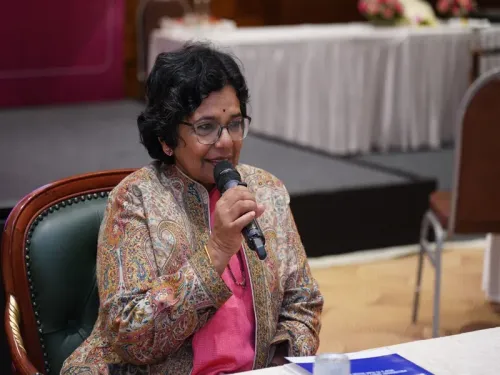
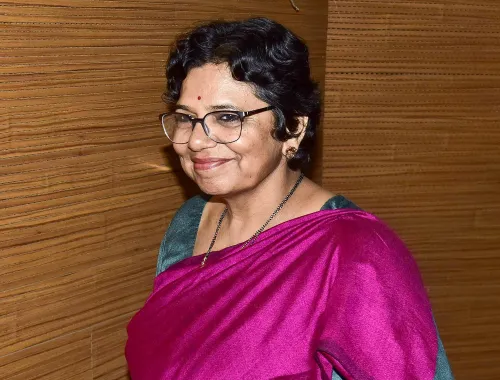
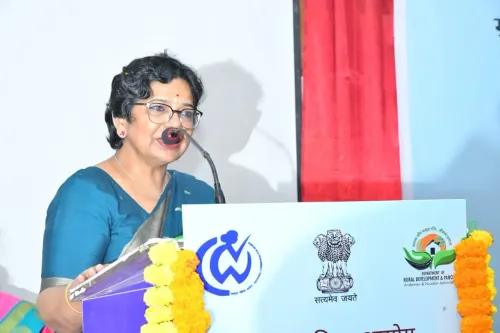
The National Commission for Women (NCW) has constituted three specialised expert groups to conduct a comprehensive review of the ethical, legislative, regulatory, and medical dimensions of Assisted Reproductive Technology (ART) and In Vitro Fertilisation (IVF) services in India, with a focused mandate on safeguarding women's reproductive rights. The move was formalised on 21 July during the inaugural meeting of the Expert Committee on ART, IVF Clinics and Protection of Women's Reproductive Rights, chaired by NCW Chairperson Vijaya Rahatkar in New Delhi.
How the Expert Committee Was Constituted
The committee brings together professionals from the judiciary, medicine, law, public administration, and the social sector. Justice (Retd.) Asha Menon serves as Chairperson of the Expert Committee. Richa Saxena, Scientist C in the ART and Surrogacy Division of the Department of Health Research (DHR) under the Ministry of Health and Family Welfare, represented the Ministry at the meeting.
The inaugural session served as a platform for members to share views on the rapidly evolving ART and IVF ecosystem and to flag emerging challenges, with broad consensus on the need for a regulatory framework that is balanced, rights-based, and accountable.
The Three Thematic Groups and Their Mandates
To enable focused deliberations, the Expert Committee has divided its work across three thematic sub-groups, each assigned a distinct area of inquiry.
The Ethical Group will examine issues of informed consent, reproductive autonomy, privacy and confidentiality, donor management, embryo-related concerns, prevention of exploitation, and other ethical dimensions bearing on women's reproductive rights.
The Legislative and Regulatory Group is tasked with reviewing the existing legal and regulatory framework governing ART and IVF services, assessing implementation mechanisms, identifying enforcement gaps, and recommending legal, institutional, and policy reforms.
The Medical and Preventive Group will scrutinise clinical protocols, laboratory practices, patient safety standards, quality benchmarks, record maintenance, biological traceability, preventive safeguards, and both national and international best practices in the sector.
Why This Initiative Matters
India's ART and IVF industry has expanded rapidly over the past decade, with thousands of clinics operating across the country. The Assisted Reproductive Technology (Regulation) Act, 2021 and the Surrogacy (Regulation) Act, 2021 created a foundational legal framework, but concerns persist over uneven enforcement, lack of standardised protocols, and instances of women being inadequately informed about risks and consent. This initiative signals the NCW's intent to close those gaps through expert-driven recommendations.
Notably, the formation of these panels reflects a broader shift in Indian policy discourse — from legislating ART access to actively auditing how existing laws protect the women who use these services.
What Comes Next
Each of the three groups is expected to undertake detailed studies and submit recommendations to the full Expert Committee. The NCW has not yet announced a specific timeline for the final report, but the structured thematic approach suggests a phased process of consultations, field assessments, and comparative policy analysis. The committee's eventual recommendations could inform amendments to existing ART and surrogacy legislation or prompt new regulatory guidelines from the Ministry of Health and Family Welfare.
Point of View
But legislation without enforcement architecture is a ceiling, not a floor. The NCW's decision to split its review across ethics, law, and medicine is methodologically sound — these are genuinely distinct failure modes. What will matter is whether the panels have access to clinic-level data and complaint records, not just expert opinion. The risk is that the process produces well-drafted recommendations that sit on a shelf, as has happened with earlier women's health policy reviews. The Ministry of Health's presence at the table is a positive signal, but the real test is whether recommendations translate into binding guidelines with teeth.
NationPress
20 Oct 2026
Frequently Asked Questions
What are the three expert panels constituted by the NCW on ART and IVF?
The NCW has formed an Ethical Group, a Legislative and Regulatory Group, and a Medical and Preventive Group. Each panel has a distinct mandate — covering consent and exploitation issues, legal enforcement gaps, and clinical safety standards respectively — as part of a broader review of ART and IVF services in India.
Why has the NCW launched this review of ART and IVF services?
The NCW launched the review to ensure that the rapidly expanding ART and IVF sector in India has a regulatory framework that is balanced, rights-based, and accountable. Concerns over uneven enforcement of existing laws and inadequate protection of women's reproductive rights prompted the initiative.
Who is chairing the NCW's Expert Committee on ART and IVF?
Justice (Retd.) Asha Menon chairs the Expert Committee. The inaugural meeting was convened by NCW Chairperson Vijaya Rahatkar, with participation from experts across the judiciary, medicine, law, public administration, and the social sector.
What laws currently govern ART and IVF in India?
The Assisted Reproductive Technology (Regulation) Act, 2021 and the Surrogacy (Regulation) Act, 2021 form the primary legal framework. The NCW's review aims to assess how effectively these laws are being implemented and where enforcement gaps remain.
When will the NCW expert panels submit their recommendations?
The NCW has not announced a specific deadline. The three thematic groups are expected to conduct detailed studies and submit recommendations to the full Expert Committee, which will then advise on potential legislative, regulatory, or policy changes.