J&K L-G Manoj Sinha calls for smarter, AI-driven farming for Gen Z at ISAE convention
Synopsis
At SKUAST-Kashmir's 60th ISAE Diamond Jubilee Convention, J&K L-G Manoj Sinha pushed for AI and robotics to be put in the hands of small and marginal farmers — framing Gen Z farming and women-led innovation as India's route from food security to global agricultural leadership. The call coincides with India's agri-exports hitting $51.1 billion and a ₹1.45 lakh crore Union Budget allocation for agriculture.
Key Takeaways
J&K L-G Manoj Sinha addressed the 60th ISAE Diamond Jubilee Convention at SKUAST-Kashmir, Shalimar on 5 October 2025 .
Convention themes focus on Women-led Engineering Innovations in Smart Farming and AI and Robotics for Gen Z Farming ; runs until 7 October .
India ranks 1st globally in pulses, millets, and spices, and 2nd globally in rice, wheat, and fruits.
Agricultural and processed food exports reached $51.1 billion in FY25 , with processed food at 20.4% of that total.
Union Budget 2026-27 allocated ₹1.45 lakh crore to the Ministry of Agriculture; e-NAM connects 1.8 crore farmers across 1,656 mandis .
India is backed by over 2,500 AgTech startups deploying AI, drones, and precision farming tools.
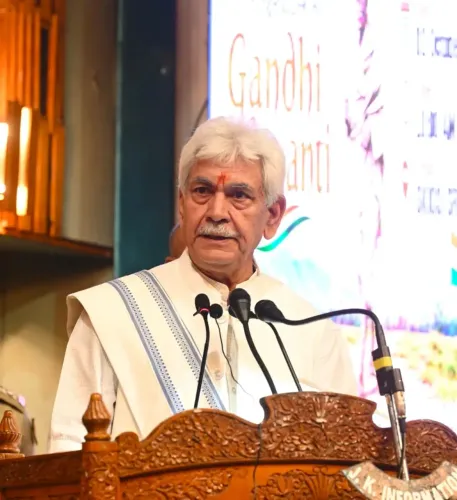
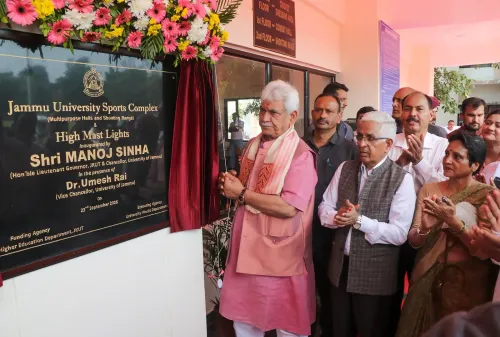
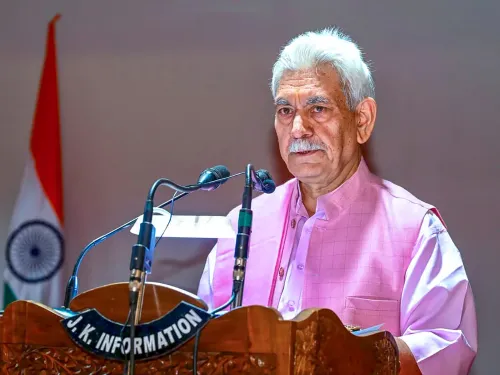
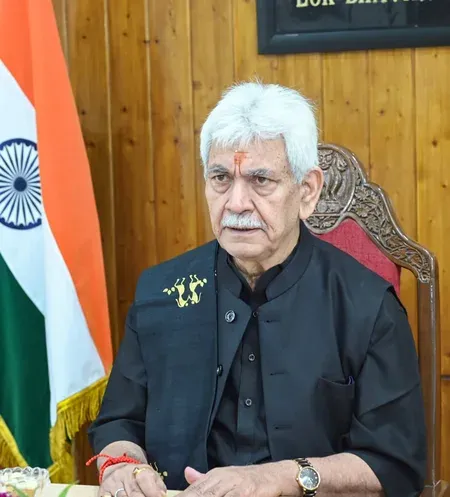
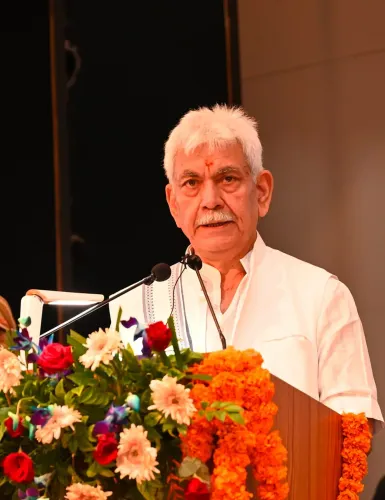
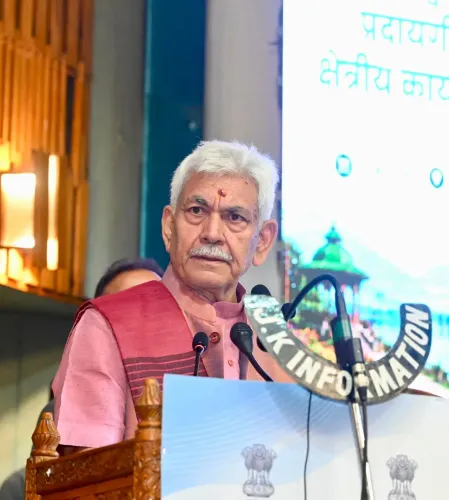
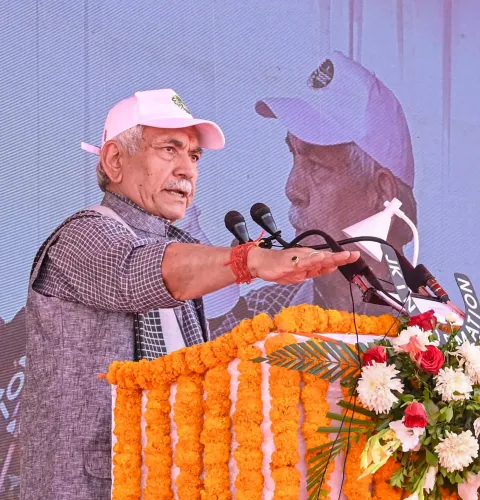
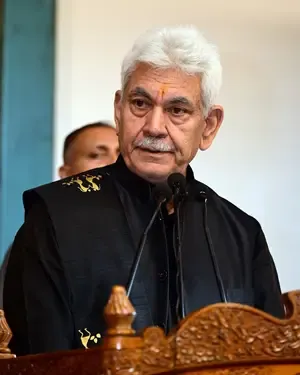
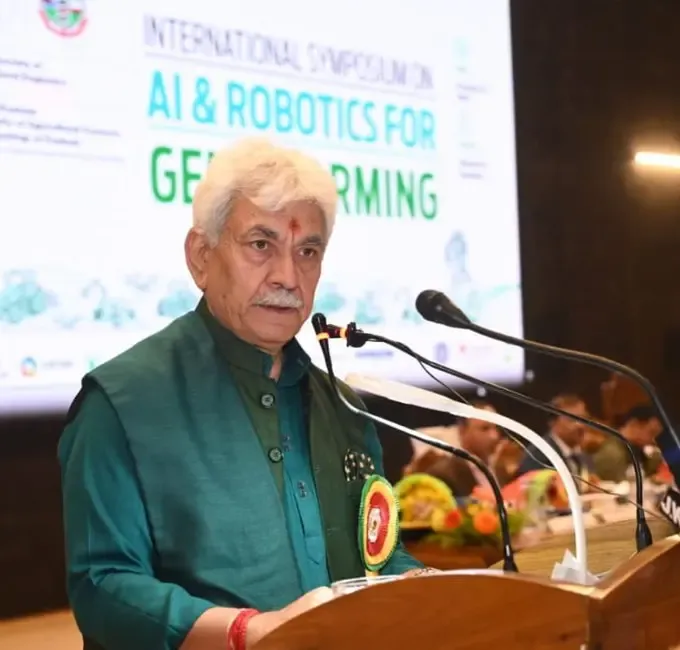
Jammu and Kashmir Lieutenant Governor Manoj Sinha on Monday, 5 October 2025, called for collective action to empower small and marginal farmers with accessible technology, artificial intelligence, and robotics to make farming smarter, sustainable, and profitable for the next generation. Sinha made the remarks while addressing the 60th Annual Diamond Jubilee Convention of the Indian Society of Agricultural Engineers (ISAE) held at SKUAST-Kashmir, Shalimar, Srinagar.
Key Developments at the Convention
The three-day convention, running from 5 to 7 October, is organised around the themes of 'Women-led Engineering Innovations in Smart Farming' and 'AI and Robotics for Gen Z Farming', alongside an international symposium on smart farming. L-G Sinha said the themes reflect a collective resolve to move beyond food security toward global leadership in agriculture.
He underscored that women are the backbone of agriculture and allied sectors, asserting that their leadership in innovation will shape a sustainable future for Indian farming. The event was attended by the Vice Chancellor of SKUAST-Kashmir, office-bearers of ISAE, scientists, students, and farmers from across the country.
What the L-G Said
Sinha credited the leadership of Prime Minister Narendra Modi for J&K's strides in holistic agriculture development, stating that SKUAST-Kashmir has emerged as a leading institution in agricultural innovation in the region. He stressed the need to make technology accessible to small and marginal farmers rather than limiting it to large agri-enterprises.
Notably, his remarks come as India positions itself for global agricultural leadership — backed by over 2,500 AgTech startups integrating AI, space applications, precision farming, and drone technology, including the Namo Drone Didi initiative targeting women-led adoption.
India's Agricultural Standing and Export Growth
India ranks 1st globally in the production of pulses, millets, dry onions, coconut, and spices, and 2nd globally in rice, wheat, fruits, vegetables, sugarcane, cotton, and tea. Agricultural and processed food exports climbed to $51.1 billion in FY25, with processed food's share reaching 20.4%.
India has also led key BRICS initiatives on seed rights and digital agriculture following the adoption of the Indore Declaration, and launched the BRICS Land Restoration Partnership to combat soil degradation and desertification.
Policy and Budget Support
The Union Budget for 2026-27 allocated ₹1.45 lakh crore to the Ministry of Agriculture and Farmers Welfare. Supporting infrastructure includes e-NAM, which connects 1.8 crore farmers across 1,656 mandis, and the Agriculture Infrastructure Fund.
Sustainability-focused programmes such as the National Mission on Natural Farming, Soil Health Cards, PM-KUSUM (solar-powered farm pumps), and nano fertilisers — including nano-urea and nano-DAP — are designed to drive low-emission agricultural growth.
As the ISAE convention continues through 7 October, the spotlight remains on whether India's technology-driven agriculture agenda can translate into ground-level gains for the small and marginal farmers who constitute the majority of the country's agrarian workforce.
Point of View
But the gap between convention-floor ambition and farm-gate reality remains wide. India's 2,500-plus AgTech startups predominantly serve larger, connected farmers; small and marginal cultivators — who make up over 80% of landholdings — remain underserved by precision and AI tools. Until technology access is decoupled from connectivity and capital barriers, the global leadership framing risks becoming aspirational branding rather than structural transformation.
NationPress
5 Oct 2026
Frequently Asked Questions
What was the ISAE Diamond Jubilee Convention about?
The 60th Annual Diamond Jubilee Convention of the Indian Society of Agricultural Engineers (ISAE) is a three-day event held from 5 to 7 October 2025 at SKUAST-Kashmir, Shalimar. It focuses on women-led engineering innovations in smart farming and the use of AI and robotics for Gen Z farmers, alongside an international symposium on smart farming.
What did J&K L-G Manoj Sinha say at the convention?
L-G Sinha called for collective efforts to empower small and marginal farmers with accessible technology, AI, and robotics to make farming smarter, sustainable, and profitable for the younger generation. He also emphasised that women are the backbone of agriculture and that their leadership in innovation will shape a sustainable future.
How does India rank globally in agriculture?
India ranks 1st globally in the production of pulses, millets, dry onions, coconut, and spices, and 2nd globally in rice, wheat, fruits, vegetables, sugarcane, cotton, and tea. Agricultural and processed food exports reached $51.1 billion in FY25.
What is the Union Budget allocation for agriculture in 2026-27?
The Union Budget for 2026-27 allocated ₹1.45 lakh crore to the Ministry of Agriculture and Farmers Welfare. This is supported by digital infrastructure such as e-NAM, which connects 1.8 crore farmers across 1,656 mandis, and the Agriculture Infrastructure Fund.
What initiatives is India running to modernise farming?
India is running several programmes including the National Mission on Natural Farming, Soil Health Cards, PM-KUSUM solar farm pumps, and nano fertilisers such as nano-urea and nano-DAP. The country also has over 2,500 AgTech startups deploying AI, drones, and precision farming tools, including the Namo Drone Didi initiative targeting women farmers.