NEET paper leak: Modi announces fast-track courts for speedy justice pan-India
Synopsis
PM Modi's fast-track court announcement for NEET paper leak accused is more than a judicial measure — it is a political signal. With student distress running deep and re-examinations having already extracted a psychological toll, the government is betting that visible, swift prosecution can restore confidence in India's high-stakes medical entrance system.
Key Takeaways
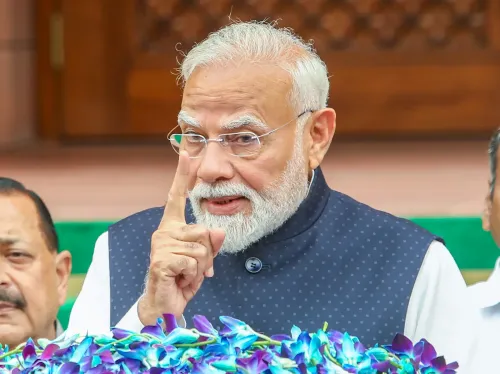
PM Narendra Modi announced fast-track courts on 23 July to prosecute those behind the NEET paper leak .
The move is part of the government's stated 'youth first' approach, with Modi warning that those harming students will not be spared.
Students from Bhopal , Delhi , Mumbai , Kupwara , and Chatrauli broadly welcomed the announcement.
Some aspirants noted the decision should have come earlier, given the psychological toll — including reported suicides — on affected students.
Laksh Singh (Mumbai) said strict action against the paper leak mafia would set a national precedent.
Operational details of the fast-track court framework are yet to be formally notified.
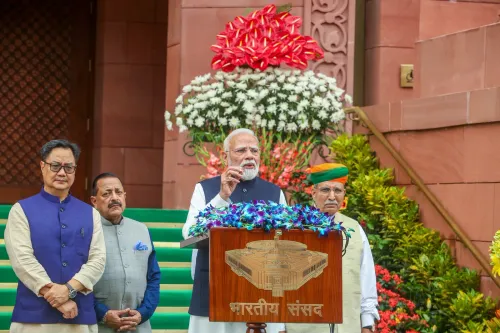
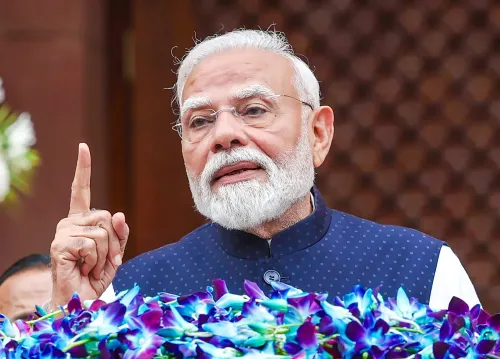
Prime Minister Narendra Modi on Thursday, 23 July announced the establishment of fast-track courts across the country to ensure swift prosecution and stringent punishment for those responsible for the NEET paper leak — framing the move as central to his government's 'youth first' agenda. The announcement has drawn widespread approval from medical aspirants and competitive examination students from Uttar Pradesh to Jammu and Kashmir to Madhya Pradesh.
What the Government Announced
Modi stated that students' futures remain the government's foremost priority, and warned that anyone attempting to harm them would face consequences. The fast-track court mechanism is designed to accelerate prosecution of those accused in the paper leak, moving cases out of the regular court backlog and into a dedicated, time-bound judicial channel.
While students broadly welcomed the decision, some aspirants noted it should have been taken earlier, given the scale of distress the leak had already caused.
Student Voices from Across India
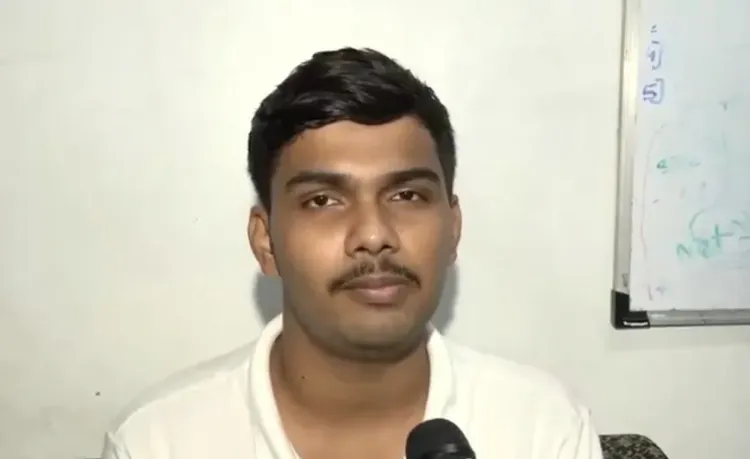
In Bhopal, a NEET aspirant described the move as 'a very good decision,' pointing out that students invest years in preparation and suffer severe psychological consequences when examination integrity is compromised. A fellow student from the city said the fast-track mechanism could prevent future leaks and potentially save lives, noting that several students had died by suicide or experienced depression in the aftermath of the controversy.
Students in Delhi echoed the sentiment, saying dedicated courts would guarantee strict action and reduce the long wait for justice. Laksh Singh, a NEET aspirant from Mumbai, said firm action against the paper leak mafia would set a new precedent for how examination fraud is handled nationally.
In Kupwara, Jammu and Kashmir, a student who had faced the stress of re-examinations welcomed the announcement. Another aspirant from the same district said, 'We have complete faith in Indian democracy. We also have faith in PM Modi. The decision he has taken will be good. Future NEET candidates will prepare well.'
Ankita Pandey, a medical aspirant from Chatrauli in Uttar Pradesh, called the decision sensitive and carefully handled. She expressed hope that fast-track courts would deter recurrence, adding that the public appeared satisfied with the government's response.
Why This Matters
The NEET paper leak triggered one of the most significant crises in India's medical entrance examination history, with allegations of widespread malpractice leading to calls for a re-test and systemic reform. This is not the first time competitive examination integrity has come under scrutiny — similar concerns have surfaced in state-level recruitment tests in recent years. The fast-track court announcement signals an intent to treat examination fraud on par with serious economic offences.
Notably, the move comes amid sustained pressure from students, parents, and opposition parties who had demanded accountability and structural safeguards against future leaks.
What Comes Next
The operational details of the fast-track court framework — including timelines, jurisdiction, and the number of designated benches — are yet to be formally notified. Legal experts and student bodies will be watching closely to see whether the courts are constituted swiftly and whether prosecutions result in convictions within a defined period. The government's credibility on examination reform will hinge significantly on visible outcomes from this initiative.
Point of View
From paper printing to distribution chains, has repeatedly failed across multiple states and multiple tests. Speedy trials matter only if there are credible arrests and airtight evidence to prosecute; past examination fraud cases have often stalled at the investigation stage. The government's 'youth first' framing is politically astute, but students and parents will judge it by conviction rates and recurrence, not announcements. The real accountability test comes when the first fast-track verdict lands.
NationPress
23 Jul 2026
Frequently Asked Questions
What did PM Modi announce regarding the NEET paper leak?
Prime Minister Narendra Modi announced the setting up of fast-track courts on 23 July to ensure speedy prosecution and stringent punishment for those accused in the NEET paper leak. He framed the move as part of his government's 'youth first' priority.
How have students reacted to the fast-track court decision?
Students from across India — including Bhopal, Delhi, Mumbai, Kupwara, and Uttar Pradesh — have broadly welcomed the announcement. Some aspirants, however, said the decision should have been taken sooner given the distress already caused.
Why is the NEET paper leak such a serious issue?
The NEET paper leak compromised the integrity of India's primary medical entrance examination, affecting hundreds of thousands of aspirants. Reports indicated that some students experienced severe depression and that there were cases of suicide linked to the fallout, making it one of the most consequential examination fraud incidents in recent years.
What are fast-track courts and how will they help?
Fast-track courts are dedicated judicial benches designed to resolve specific categories of cases within a compressed timeframe, bypassing the regular court backlog. In the NEET context, they are intended to accelerate prosecution of paper leak accused and deliver deterrent punishment more quickly than the standard judicial process.
What happens next after the announcement?
The government is expected to formally notify the operational details of the fast-track court framework, including the number of designated benches and jurisdictions. Legal observers and student groups will monitor whether prosecutions move swiftly and whether convictions follow.