CM Nitish Orders Panchayat-Level Water Quality Checks, AI Grievance System
Synopsis
Bihar CM Nitish Kumar has directed panchayat-wise drinking water quality inspections every two to three months and pushed for AI-based resolution of water supply complaints, signalling a shift from infrastructure rollout to sustained service accountability.
Key Takeaways
Bihar CM Nitish Kumar directed panchayat-level drinking water quality inspections every two to three months .
The Chief Minister stressed the use of AI technology to resolve water supply complaints quickly.
The directives were announced by the Chief Minister's Office of Bihar on 26 May 2026 .
Panchayati Raj institutions are the primary bodies responsible for implementing the monitoring mandate at the village level.
The move builds on Bihar's Har Ghar Nal Ka Jal scheme and the national Jal Jeevan Mission , both aimed at universal rural tap water access.
Rollout timelines for the AI grievance system and the first inspection cycle have not yet been publicly detailed.
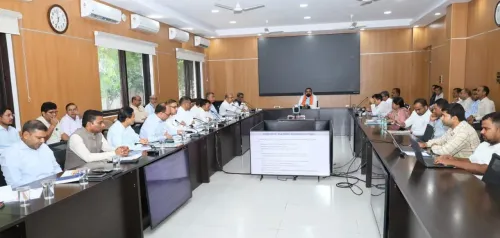
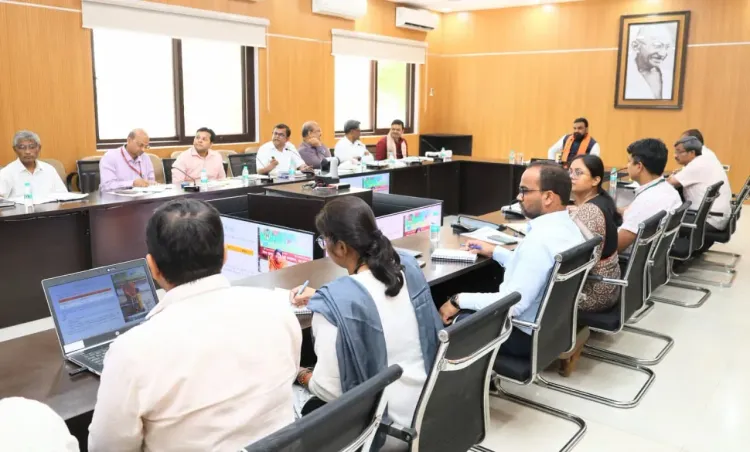
The Chief Minister's Office of Bihar announced on Tuesday, 26 May 2026 that Chief Minister Nitish Kumar has directed authorities to conduct panchayat-wise drinking water quality inspections every two to three months and to leverage artificial intelligence technology for the swift resolution of water supply complaints.
What Was Directed
In a post on X, the Chief Minister's Office quoted the directive: 'शुद्ध पेयजल की गुणवत्ता एवं आपूर्ति बनाए रखने हेतु प्रत्येक दो-तीन माह पर पंचायतवार जांच कराने का निर्देश दिया' ('Instructions were given to conduct panchayat-wise inspections every two to three months to maintain the quality and supply of pure drinking water'). The Chief Minister also stressed the use of AI technology for rapid resolution of complaints related to drinking water supply.
The twin directives — periodic field-level quality audits and an AI-assisted grievance mechanism — signal an attempt to move beyond one-time infrastructure rollout toward sustained service delivery and accountability at the grassroots level.
Context
Bihar has invested heavily in rural piped water infrastructure over the past decade. The state's Har Ghar Nal Ka Jal programme, launched around 2016, aimed to extend tap water connections to rural households across the state. This was subsequently reinforced by the National Jal Jeevan Mission, announced in 2019, which provided central government funding and targets for household water connections across all states, including Bihar.
Despite significant expansion in the number of connections, ensuring consistent water quality and uninterrupted supply has remained a persistent governance challenge. Panchayati Raj institutions — the local bodies at village level — have been tasked with frontline monitoring of these utilities, though capacity and accountability gaps have been widely noted.
Policy Backdrop
Chief Minister Nitish Kumar, who has governed Bihar across multiple terms since 2005, has made rural infrastructure and decentralised governance central planks of his administration. The state has progressively tried to integrate technology into welfare and infrastructure oversight, reflecting a broader pattern seen across Indian states seeking to use digital tools to improve last-mile delivery.
Mandating inspections at the panchayat level every two to three months represents a structured, recurring accountability mechanism rather than an ad hoc response. Pairing this with an AI-based complaint resolution system aligns with national-level pushes to modernise grievance redressal in public utilities.
Stakeholders and Impact
Rural households across Bihar stand to benefit most directly if the directives translate into operational change. Panchayat officials will bear the primary responsibility for facilitating and reporting on the periodic quality checks, adding a new layer of accountability to their existing mandates.
Water department staff at the block and district levels will need to operationalise the AI grievance mechanism, the specific design and deployment timeline of which has not yet been detailed publicly.
What's Next
The rollout timelines for the AI-based complaint system and the scheduling of the first round of panchayat-level water quality inspections will be the immediate markers to watch. How effectively Bihar's administrative machinery translates these high-level directives into routine field operations will determine whether the initiative meaningfully improves drinking water outcomes for the state's large rural population.
Point of View
If implemented effectively, would mark one of the more concrete applications of technology to rural utility management in Bihar. Taken together, the directives suggest the administration is aware that infrastructure alone does not guarantee outcomes, and is attempting to institutionalise oversight before the next electoral cycle.
NationPress
10 Oct 2026
Frequently Asked Questions
What did Bihar CM Nitish Kumar order regarding drinking water?
CM Nitish Kumar directed that panchayat-wise drinking water quality inspections be conducted every two to three months to maintain supply and quality standards. He also directed the use of AI technology for swift resolution of water supply complaints.
What is the Har Ghar Nal Ka Jal scheme in Bihar?
Har Ghar Nal Ka Jal is a Bihar government programme launched around 2016 to provide piped drinking water connections to rural households across the state, later reinforced by the national Jal Jeevan Mission from 2019.
How will AI be used in Bihar's water supply management?
According to the Chief Minister's Office, AI technology is to be used for the rapid resolution of complaints related to drinking water supply, though specific implementation details and timelines have not yet been publicly announced.
What is the role of panchayats in Bihar's water quality checks?
Panchayati Raj institutions — local village-level bodies — are tasked with facilitating and reporting on the periodic water quality inspections mandated by the Chief Minister, adding a frontline accountability layer to the state's water supply programmes.
What is the Jal Jeevan Mission and how does it relate to Bihar?
The Jal Jeevan Mission is a national programme announced in 2019 that provides central government support and funding for household tap water connections across all Indian states, including Bihar, complementing the state's own rural water initiatives.