No royalty on silt, murum for farming: Maharashtra Revenue Minister
Synopsis
Maharashtra has scrapped royalties on silt, soil, and murum for farmers — effective immediately, backed by a same-day Government Resolution. The decision also puts officials on notice: harass a farmer transporting these minerals for agricultural use and face government action. It is a rare instance of legislative pressure from both ruling and opposition MLAs producing an on-the-spot policy change.
Key Takeaways
Revenue Minister Chandrashekhar Bawankule announced on 2 July that farmers will pay zero royalty on silt, soil, and murum for agricultural or personal construction use.
A Government Resolution (GR) was issued on the same day, giving the decision immediate legal effect.
Farmers can extract minor minerals from reservoirs, village ponds, farm ponds, percolation tanks, streams, and their own fields.
Permission must be granted by the Circle Officer within 15 days of a simple application to the local Talathi.
Police and revenue officials are barred from seizing tractors or bullock carts transporting soil or murum for farm use; violations will attract stringent government action .
Commercial exploitation of the exemption will be treated as a legal offence.
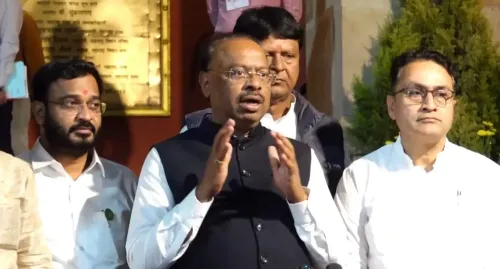
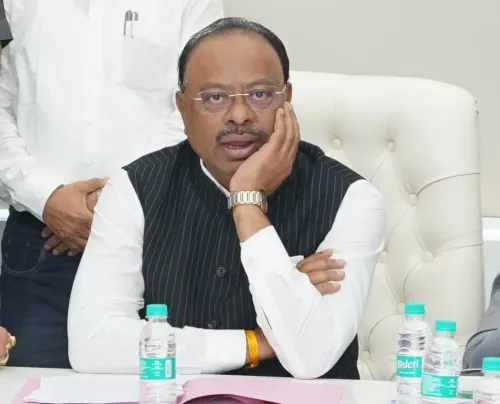
Maharashtra Revenue Minister Chandrashekhar Bawankule on Thursday, 2 July announced in the state assembly that farmers across the state will no longer be required to pay any royalty to the government for extracting minor minerals — including soil, silt, and murum (hard murram) — for agricultural land improvement or for constructing wells, cattle sheds, and farmhouses. A formal Government Resolution (GR) was issued immediately after the announcement, giving the decision legal force on the same day.
What the Decision Covers
Under the new dispensation, farmers are free to excavate silt, soil, and murum from reservoirs, village ponds, farm ponds, percolation tanks, village streams, revenue streams, weirs, Malgujari tanks, and minor irrigation tanks under the jurisdiction of the Water Resources and Soil Conservation Departments, as well as from their own fields. The extracted material can be used to fill potholes, clear monsoon mud on farms and access roads, dig wells, construct cattle sheds, and repair farmhouses — all without any royalty payment.
Simplified Permission Process
To reduce bureaucratic burden, the government has streamlined the application process. A farmer is now required to submit only a simple application to the local Talathi (village revenue official). The concerned Circle Officer is legally mandated to grant permission within 15 days of receiving the application. Where ponds or streams fall under the Soil Conservation Department, a No Objection Certificate (NOC) must be obtained from that department; for revenue streams, the Tahsildar is the approving authority.
Strict Action Against Harassment of Farmers
Minister Bawankule made clear that no police or revenue official will be permitted to seize tractors, trucks, or bullock carts transporting soil or murum for personal and agricultural use. 'No Tahsildar or police official will seize tractors, trucks, or bullock carts if farmers are transporting soil or murum for personal and agricultural use. No punitive action will be taken against them. If any official unnecessarily harasses a farmer, the government will take stringent action,' he said. The minister added that strict action would be pursued in both houses of the Maharashtra State Legislature against any official found imposing unlawful fines.
Background and Legislative Push
The announcement came in response to demands raised on the floor of the assembly by a cross-party group of MLAs, including Sanjay Puram, Abhimanyu Pawar, Gopichand Padalkar, Ratnakar Gutte, Ashish Deshmukh, Santosh Danve, Satish Deshmukh, Narayan Kuche, Rajkumar Badole, Ashish Jaiswal, Nana Patole, and Vijay Wadettiwar. This legislative pressure — spanning the ruling and opposition benches — underscores how widespread farmer grievances over minor mineral royalties had become. With Maharashtra's economy heavily reliant on agriculture, the decision is framed as a rural development accelerant.
Commercial Misuse Not Tolerated
The minister was explicit that the concession is strictly for personal and agricultural use. 'This decision has been taken solely for the personal welfare of farmers and the betterment of agriculture. No commercial misuse of this concession will be tolerated, and standard legal action will be initiated if any commercial exploitation is detected,' Bawankule said. The government is expected to put monitoring mechanisms in place to prevent the exemption from being exploited by commercial sand and mineral operators.
The move is seen as a significant policy shift for Maharashtra's farming community and is likely to ease long-standing tensions between rural households and local revenue officials over minor mineral extraction.
Point of View
And Maharashtra has a documented history of sand and mineral mafia operating under cover of agricultural exemptions. Without a credible monitoring mechanism, the concession risks being captured by the same commercial interests it is meant to exclude. The cross-party legislative pressure — ruling and opposition MLAs together — also tells a story: farmer anger over minor mineral harassment had reached a threshold that no side could afford to ignore.
NationPress
2 Jul 2026
Frequently Asked Questions
What has Maharashtra decided about royalty on silt and murum for farmers?
Maharashtra has exempted farmers from paying any royalty to the government for extracting minor minerals — soil, silt, and murum — for agricultural land improvement or personal construction like wells, cattle sheds, and farmhouses. The decision was announced by Revenue Minister Chandrashekhar Bawankule on 2 July and backed by an immediate Government Resolution.
Where can farmers extract silt and murum under the new rules?
Farmers can extract silt, soil, and murum from reservoirs, village ponds, farm ponds, percolation tanks, village streams, revenue streams, weirs, Malgujari tanks, minor irrigation tanks, and their own fields. The extracted material must be used for personal agricultural or construction purposes only.
How does a farmer get permission to extract minor minerals?
A farmer submits a simple application to the local Talathi. The Circle Officer is legally required to grant permission within 15 days. If the source falls under the Soil Conservation Department, an NOC from that department is needed; for revenue streams, the Tahsildar is the approving authority.
Can officials seize tractors or vehicles transporting silt or murum?
No. Minister Bawankule explicitly stated that no Tahsildar or police official can seize tractors, trucks, or bullock carts if farmers are transporting soil or murum for personal and agricultural use. Officials found harassing farmers will face stringent government action.
Does the exemption apply to commercial use of silt and murum?
No. The exemption is strictly limited to personal and agricultural use. The minister warned that any commercial exploitation of the concession will be treated as a legal offence and standard legal action will be initiated against violators.