North India heatwave: Temperatures cross 45°C, IMD issues red and orange alerts
Synopsis
North India is baking under one of its most intense pre-monsoon heat stretches, with Faridkot hitting 47°C and even Shimla logging its season-high. The IMD's red and orange alerts span multiple states, hospitals are setting up dedicated heatwave wards, and hill districts are reporting conditions normally seen only on the plains — a signal that this isn't a routine summer spike.
Key Takeaways
A severe heatwave hit North India on 20 May , with temperatures crossing 45 degrees Celsius across Rajasthan , Haryana , Punjab , and Uttar Pradesh .
Punjab's Faridkot recorded 47°C and Haryana's Rohtak hit 46.9°C , the highest in their respective states.
The IMD issued red and orange alerts across multiple states; conditions expected to persist for at least 48 hours .
Noida set up a dedicated heat stroke cool room ; Ghazipur activated a 10-bed heatwave ward .
Hill state Himachal Pradesh issued heatwave alerts for Kangra and Solan ; Una recorded 43.4°C , 4.5 degrees above normal .
Authorities urge citizens to stay indoors during peak hours, drink water, and guard against heatstroke.
A severe heatwave tightened its grip across North India on Wednesday, 20 May, with mercury breaching 45 degrees Celsius in multiple districts of Rajasthan, Haryana, Punjab, and Uttar Pradesh. The India Meteorological Department (IMD) has issued red and orange alerts across several states, warning that the extreme heat is likely to persist over the coming days.
Record Temperatures Across the Region
Punjab's Faridkot recorded the highest temperature among reported stations at 47 degrees Celsius, while Haryana's Rohtak logged 46.9 degrees Celsius — the state's peak reading. Delhi too saw several localities breach the 45-degree mark, with scorching hot winds making outdoor movement near-impossible during afternoon hours.
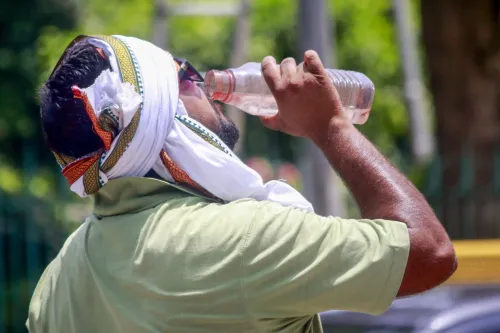
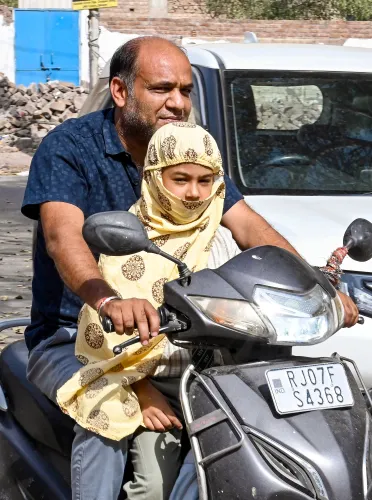
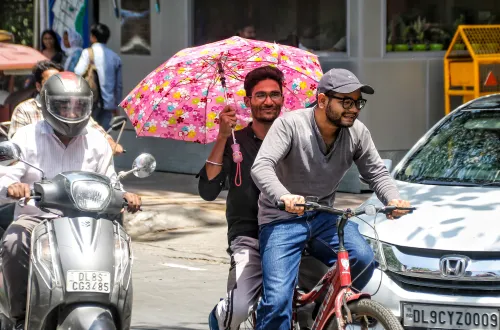
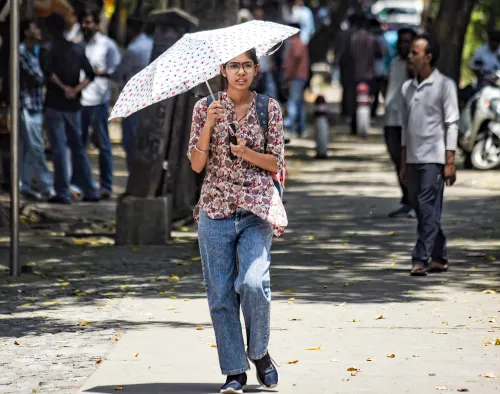
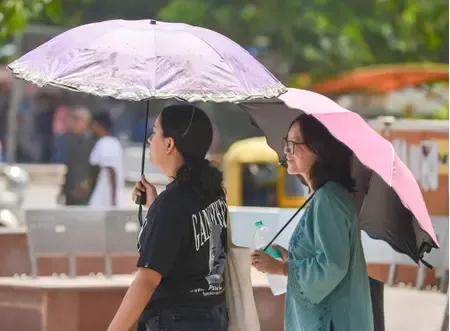
In Varanasi, residents reported temperatures touching 45–46 degrees Celsius. 'There is extreme heat in Varanasi, and the temperature is soaring up to 45–46 degrees Celsius. People are using umbrellas and cotton clothes to cover their heads,' a local resident said. Another resident urged tourists and devotees to step out only in the early morning or evening, warning of health risks during peak afternoon hours.
In Hamirpur, residents described this summer as notably harsher than previous years. 'This time, the heat is much more intense than last year. One does not feel like stepping out of the house,' one local said.
Medical Preparedness Stepped Up
Authorities in Noida have established a dedicated heat stroke cool room at the district hospital, with separate beds reserved for heat stroke patients and additional doctors placed on alert duty. In Ghazipur, Medical College Principal Dr Anand Mishra confirmed that a 10-bed heatwave ward has been activated in response to temperatures ranging between 41 and 45 degrees Celsius.
Across Uttar Pradesh's Banda district, severe heatwave conditions continued unabated. Health officials across the state have urged citizens to stay hydrated and avoid direct sunlight during peak hours.
Rajasthan and Hill States Also Affected
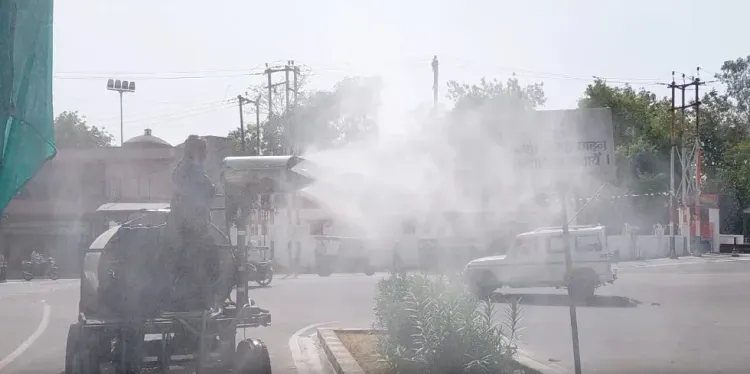
In Rajasthan's Kota, the heat has begun affecting both residents and livestock. Municipal officials said water sprays and coolers have been deployed at gaushalas to protect animals from the extreme temperatures.
Unusually, hill states have not been spared. The Himachal Pradesh Meteorological Department issued heatwave alerts for Kangra and Solan districts for Wednesday and Thursday. Una recorded 43.4 degrees Celsius — 4.5 degrees above normal — while Shimla hit its season-high of 29.4 degrees Celsius. In Jammu and Kashmir's Rajouri district, heatwave conditions disrupted daily life and livelihoods, with medical experts advising residents to stay hydrated and avoid midday sun.
IMD Warning and Official Advisories
IMD Director Surinder Paul said heatwave-like conditions in Chandigarh and surrounding areas are expected to continue for at least the next 48 hours. Authorities across North India have issued a uniform advisory: remain indoors during peak daytime hours, consume adequate water, and take precautions against heatstroke and dehydration.
This comes amid growing concern that the 2025 pre-monsoon season is delivering one of its most punishing heat stretches in recent memory, with hill districts experiencing conditions typically associated with the plains.
Point of View
Not merely an annual spike. The hospital preparedness response — dedicated wards in Noida and Ghazipur — is welcome, but it is reactive. India still lacks a nationally standardised heat action plan with binding triggers, and the absence of centralised heat-mortality tracking means the true toll of events like this one is routinely undercounted. Until that data infrastructure exists, red alerts will generate advisories but not accountability.
NationPress
5 Oct 2026
Frequently Asked Questions
Which states are under IMD red and orange heatwave alerts?
The India Meteorological Department has issued red and orange alerts across Rajasthan, Haryana, Punjab, Uttar Pradesh, and parts of Himachal Pradesh as of 20 May. Heatwave conditions are expected to persist for at least 48 hours, according to IMD Director Surinder Paul.
What are the highest temperatures recorded during this heatwave?
Punjab's Faridkot recorded the highest reported temperature at 47 degrees Celsius, followed by Haryana's Rohtak at 46.9 degrees Celsius. Varanasi logged 45–46°C, while Himachal Pradesh's Una hit 43.4°C — 4.5 degrees above normal.
What health precautions are authorities recommending?
Authorities across North India are urging residents to stay indoors during peak afternoon hours, drink adequate water, and avoid direct sunlight. Medical experts in Rajouri and Uttar Pradesh have specifically warned against dehydration and heatstroke risk.
How are hospitals preparing for the heatwave?
Noida district hospital has set up a dedicated heat stroke cool room with reserved beds and additional doctors on alert duty. In Ghazipur, a 10-bed heatwave ward has been activated by the Medical College. Similar preparedness measures are being rolled out across affected districts.
Why is the heatwave affecting hill states like Himachal Pradesh?
The Himachal Pradesh Meteorological Department issued heatwave alerts for Kangra and Solan districts for Wednesday and Thursday, an unusual development for hill regions. Una recorded 43.4°C — 4.5 degrees above normal — while Shimla hit its season-high of 29.4°C, suggesting the heat event is broader and more intense than typical pre-monsoon spells.