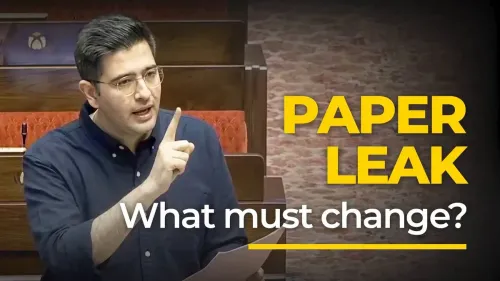
Raghav Chadha backs exam paper leak bill, cites ₹10 crore fine and fast-track courts
Synopsis
Raghav Chadha's Rajya Sabha speech on the exam paper leak bill was less a defence of government and more a structural argument: that leaks are syndicate crimes, not administrative slip-ups, and need ₹10 crore fines, two-month task-force probes, and fast-track courts — not political sound-bites. His candid acknowledgement of his own past silence made the speech one of the more self-aware moments in the debate.
Key Takeaways
Raghav Chadha backed the Public Examinations (Prevention of Unfair Means) Amendment Bill in the Rajya Sabha on 30 July .
The Bill prescribes fines of up to ₹10 crore and makes all offences cognisable, non-bailable, and non-compoundable .
A special task force must complete leak investigations within two months ; fast-track courts must sentence within three months .
The Bill targets organised syndicates — covering insiders, coaching mafias, printing-press staff, and solver gangs.
Chadha cited past leaks under Congress governments in Karnataka (January 2026 SSLC) and Himachal Pradesh (2016 Class 12 Chemistry) as context.
He urged that student protests must not be 'politicised' by any party.
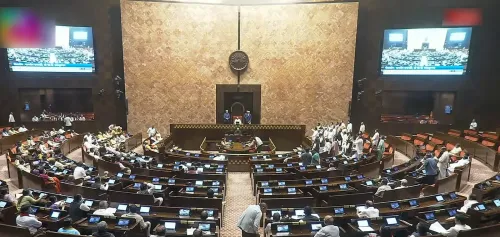
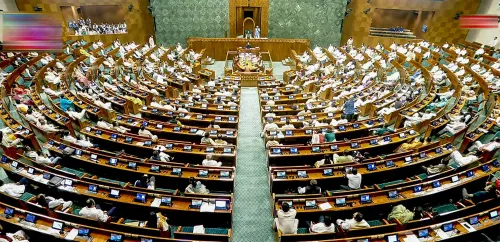
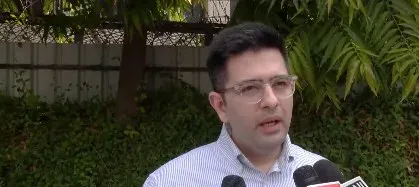
Bharatiya Janata Party (BJP) Rajya Sabha MP Raghav Chadha on Thursday, 30 July threw his weight behind the Public Examinations (Prevention of Unfair Means) Amendment Bill, calling it an institutional solution to a crisis that has cost millions of students years of effort. Speaking during the Rajya Sabha debate, Chadha argued that Prime Minister Narendra Modi had responded to student demands not merely as a head of government but as a guardian of the country's youth.
Why Chadha Addressed His Earlier Silence
Chadha directly acknowledged questions about his previous silence on exam paper leaks. He explained that his shift from the Opposition benches to the Treasury benches came with a different responsibility — one that demanded concrete systemic fixes rather than public criticism. 'Paper leaks cannot be addressed through media sound-bites but require institutional solutions. We cannot treat cancer with crocin; exam leaks cannot be removed with sound-bites,' he said, adding that students' anger was 'justified.'
What the Amendment Bill Prescribes
The Bill reframes paper leaks as crimes committed by organised syndicates, not isolated individuals. It brings within its ambit insiders, coaching mafias, logistics handlers, printing-press personnel, solver gangs, and exam officials. Key provisions include:
Fines of up to ₹10 crore can be levied on offenders. All offences have been made cognisable, non-bailable, and non-compoundable. Any suspicion of a leak will trigger a special task force investigation, which must conclude within two months. Fast-track courts with dedicated prosecutors are mandated to deliver sentencing within three months. The move toward computerised examinations was also highlighted as a structural deterrent.
The Human Cost Chadha Invoked
Chadha painted a detailed picture of the sacrifices behind every competitive exam attempt — families cutting household budgets, taking loans, and sending children to coaching hubs in Kota, Chandigarh, Jaipur, Delhi, and Patna, where students reportedly study up to 18 hours a day. Drawing on his own background as a Chartered Accountancy student, he said he understood the anguish of a single leaked paper erasing years of effort, trust, and mental wellbeing.
Political Context and Past Leaks
Chadha pointed to paper leak incidents under Congress governments in Karnataka and Himachal Pradesh — specifically the SSLC exam leak in January 2026 and the Class 12 Chemistry paper leak in 2016 — and also criticised the Punjab government over exam-cheating incidents. He was careful, however, to insist that student protests must remain independent of political parties. 'A student protest should remain a student protest; it should not become a rally of any political party,' he said.
What Comes Next
With the Bill now debated in the Rajya Sabha, its passage would mark a significant tightening of India's public examination oversight framework. Chadha concluded that the reforms signal 'zero tolerance' toward paper leaks and affirmed that the government had treated student concerns 'with the same care one would accord to a child within one's own family.' How swiftly special task forces and fast-track courts are constituted will determine whether the law translates into meaningful deterrence.
Point of View
Not just administrative circulars. His pivot from Opposition critic to Treasury defender is politically convenient, but the Bill's provisions — fast-track courts, syndicate-level prosecution, computerised exams — are substantively stronger than past responses. The real accountability test will come when the task forces are constituted and the first prosecution is filed; India has a long history of well-drafted laws that stall at enforcement. Whether this Bill changes that pattern is the question mainstream coverage is not yet asking.
NationPress
30 Jul 2026
Frequently Asked Questions
What is the Public Examinations (Prevention of Unfair Means) Amendment Bill?
It is a legislative measure debated in the Rajya Sabha that treats exam paper leaks as organised syndicate crimes rather than isolated offences. It prescribes fines of up to ₹10 crore, mandates special task force investigations within two months, and requires fast-track courts to deliver sentencing within three months.
Why did Raghav Chadha address his earlier silence on paper leaks?
Chadha explained that his move from the Opposition to the Treasury benches shifted his responsibility from criticism to delivering concrete solutions. He argued that his support for the Amendment Bill, rather than media sound-bites, was the appropriate response from someone now in a position to fix the system.
Who does the Bill hold accountable for paper leaks?
The Bill targets organised syndicates involved in leaks, including exam insiders, coaching mafias, logistics handlers, printing-press personnel, solver gangs, and exam officials — not just end-users of leaked papers.
What past paper leak incidents did Chadha reference?
Chadha cited the SSLC exam leak in Karnataka in January 2026 and the Class 12 Chemistry paper leak in Himachal Pradesh in 2016, both of which he attributed to Congress-governed administrations. He also criticised the Punjab government over separate exam-cheating incidents.
What did Chadha say about student protests?
Chadha affirmed that student protests, demands, and peaceful marches are constitutional rights and that student anger over paper leaks is justified. However, he cautioned that such protests must not be co-opted by political parties and should remain independent movements.