CM Fadnavis at Sahakar Nav-Kranti: NUCFDC HQ Moves to Maharashtra
Synopsis
At Mumbai's Sahakar Nav-Kranti event, Union Minister Amit Shah announced the NUCFDC headquarters will move from Delhi to Maharashtra, and called on all of the state's 449 urban cooperative banks to join the new Umbrella Organisation — a flagship reform under the 'Sahkar Se Samriddhi' framework.
Key Takeaways
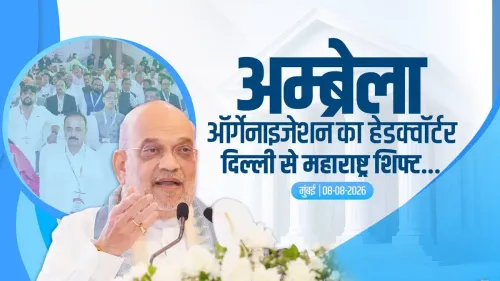
NUCFDC headquarters will relocate from Delhi to Maharashtra , announced at the Sahakar Nav-Kranti programme on August 8, 2026 .
The Umbrella Organisation aims to make urban cooperative banking modern, transparent, and technology-driven, with reach extended to every tehsil in India.
CM Fadnavis called on every urban cooperative bank in Maharashtra — including single-branch banks — to join the Umbrella Organisation.
Maharashtra has 449 urban cooperative banks, the largest state presence in India's urban cooperative banking sector.
Urban cooperative banks serve MSMEs, small traders, women's self-help groups , and the middle class — segments underserved by larger commercial banks.
The reforms align with PM Modi's Viksit Bharat 2047 vision and the 'Sahkar Se Samriddhi' cooperative policy framework launched post-2021.
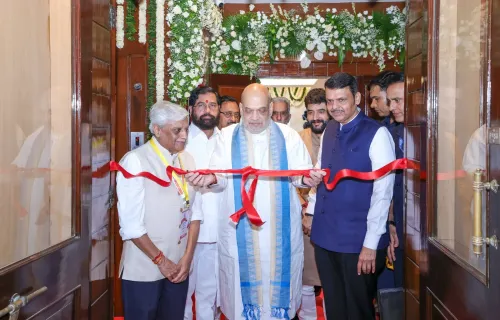
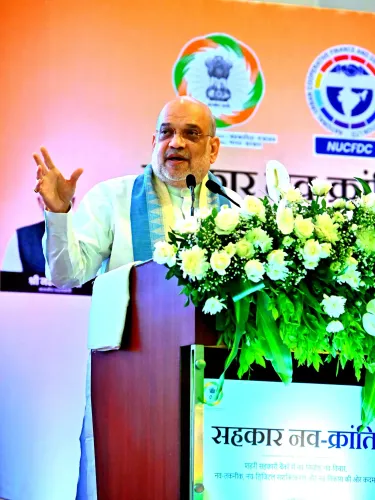
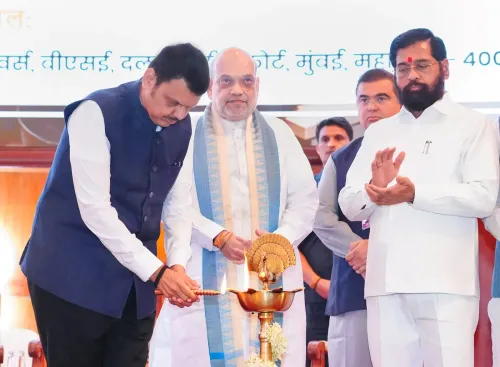
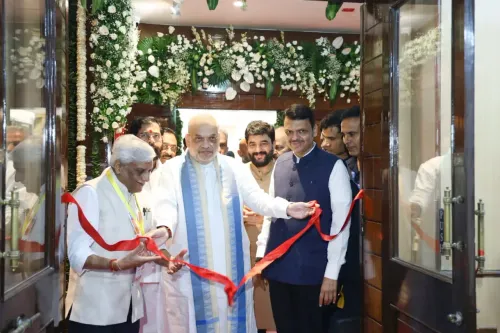
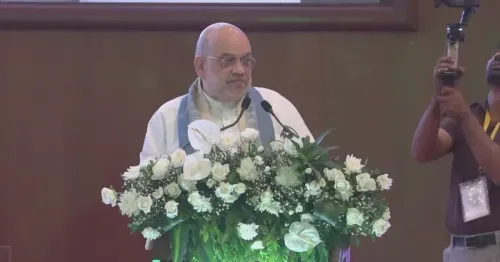
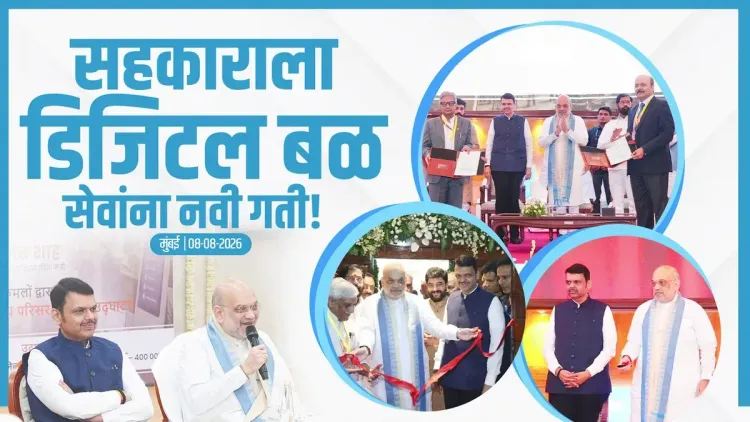
A new chapter for India's urban cooperative banking sector opened in Mumbai on Saturday, August 8, 2026, as Maharashtra Chief Minister Devendra Fadnavis joined Union Home and Cooperation Minister Amit Shah at the Sahakar Nav-Kranti programme — an event that delivered two headline decisions: the formal push to enrol every urban cooperative bank under an 'Umbrella Organisation,' and the announcement that the headquarters of the National Urban Cooperative Finance and Development Corporation (NUCFDC) will shift from Delhi to Maharashtra.
What the Umbrella Organisation Changes
The Umbrella Organisation sits at the centre of this reform push. Its mandate is to make India's urban cooperative banking sector modern, transparent, reliable, and technology-driven — and to extend that network to every tehsil across the country. CM Fadnavis made the ask explicit: every urban cooperative bank in Maharashtra, 'even one with a single branch,' should enrol as a member.
The logic is straightforward. Membership pools resources, raises operational standards, and — critically — strengthens depositor confidence. The umbrella model mirrors structures already used in other financial segments to improve governance and create a backstop against the kind of management failures that have periodically rattled cooperative banks in India.
NUCFDC Moves to Maharashtra — and Why That Matters
The relocation of the NUCFDC headquarters from Delhi to Maharashtra is more than a logistical reshuffle. With 449 cooperative banks, Maharashtra accounts for the single largest state presence in India's urban cooperative banking ecosystem. Placing the apex financing and development body in the state where the sector is most dense makes operational sense — and sends a clear signal about where the centre of gravity for this reform sits.
The Ministry of Cooperation, created in July 2021 specifically to give the sector focused policy attention, has been the engine behind these changes. The 'Sahkar Se Samriddhi' framework — cooperation as a path to prosperity — has guided technology adoption and network expansion since then, and Saturday's announcements represent its most concrete institutional expression yet.
Who Urban Cooperative Banks Actually Serve
The political case for this reform rests on a simple fact: urban cooperative banks reach borrowers that larger commercial banks routinely miss. Small shopkeepers, traders, cottage industries, MSMEs, women's self-help groups, and the broader middle class rely on these institutions for credit at the grassroots. Strengthening their governance and technology backbone is not an abstract policy goal — it directly affects the financial security of millions of households.
Alongside CM Fadnavis and Amit Shah, the programme was attended by Deputy CM Eknath Shinde, Union MoS Krishan Pal Gurjar, Union MoS Murlidhar Mohol, Minister Babasaheb Patil, Minister Jaykumar Rawal, and NUCFDC Chairman Jyotindra Mehta.
The next test is execution: how quickly the membership drive for the Umbrella Organisation gains traction among Maharashtra's 449 banks, and how smoothly the NUCFDC relocation is managed. The architecture is now in place — the sector is watching to see if the build follows the blueprint.
Point of View
Hosting the apex body cements its position as the de facto capital of India's urban cooperative banking sector, which carries both regulatory influence and political capital ahead of continued state-level consolidation. The 'Sahkar Se Samriddhi' slogan has now acquired a measurable deliverable: membership numbers and the NUCFDC's new address. The real measure of success will be whether the 449-bank membership drive translates into stronger depositor protection or remains a headline without operational depth.
NationPress
23 Sept 2026
Frequently Asked Questions
What is the Sahakar Nav-Kranti programme?
Sahakar Nav-Kranti is a central government initiative focused on reforming and modernising India's urban cooperative banking sector, emphasising technology adoption, transparency, and expansion of cooperative bank networks to every tehsil in the country.
Why is NUCFDC headquarters being shifted to Maharashtra?
Maharashtra has 449 urban cooperative banks — the largest concentration in India — making it the natural base for the National Urban Cooperative Finance and Development Corporation, which finances and develops the urban cooperative banking sector nationwide.
What is the Umbrella Organisation for urban cooperative banks?
The Umbrella Organisation is an apex structure designed to bring urban cooperative banks under a common governance and technology framework, improving depositor protection, operational standards, and network reach across India.
What is 'Sahkar Se Samriddhi'?
'Sahkar Se Samriddhi' — meaning 'prosperity through cooperation' — is the central government's policy framework, introduced after the creation of the Ministry of Cooperation in July 2021, to modernise and expand India's cooperative sector including banking.
Who benefits from urban cooperative banks in India?
Urban cooperative banks primarily serve small shopkeepers, traders, MSMEs, cottage industries, women's self-help groups, and middle-class borrowers who may not have easy access to credit from larger commercial banks.