CM Majhi: Odisha holds tariff line for 2 years amid power reforms
Synopsis
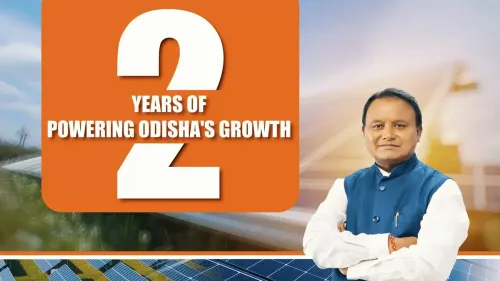
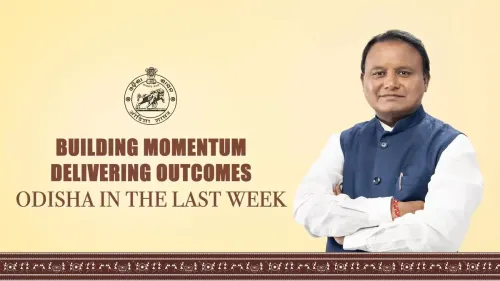
The Chief Minister's Office of Odisha shared a statement from CM Mohan Charan Majhi on June 12, 2026, asserting that the state has held electricity tariffs unchanged for two consecutive financial years while undertaking rapid power-sector infrastructure expansion, marking two years of the current government.
Key Takeaways
CM Mohan Charan Majhi claims Odisha has not raised electricity tariffs for two consecutive financial years .
The government says power-sector infrastructure construction is proceeding at an accelerated pace alongside these reforms.
The announcement marks the two-year milestone of the current Lokanka Sarkar government in Odisha .
Odisha has previously participated in the national UDAY scheme aimed at improving discom financial health.
The Odisha Electricity Regulatory Commission (OERC) will be the key body to watch for any future tariff revision orders.
Tariff stability benefits domestic consumers and businesses but raises questions about long-term discom financial sustainability.
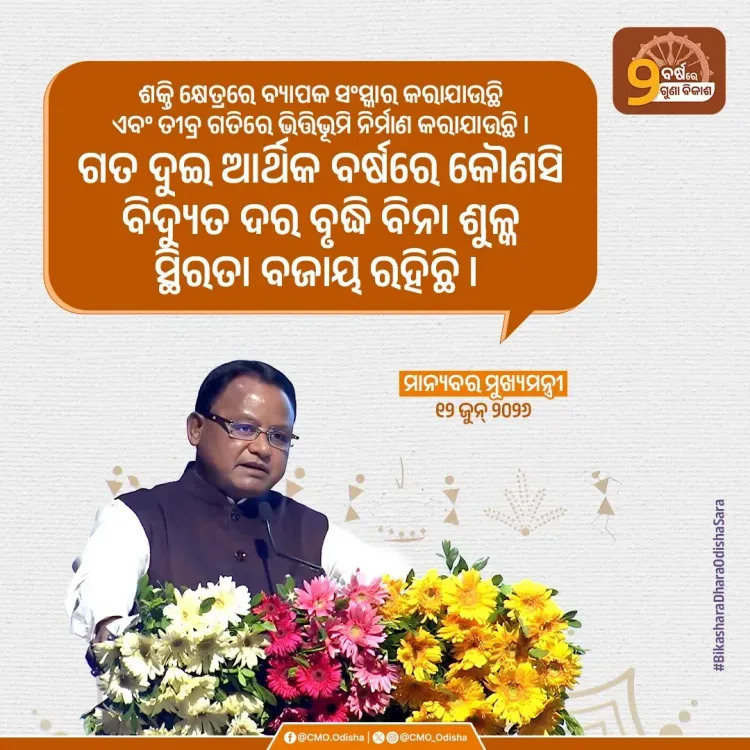
The Chief Minister's Office of Odisha on Friday, June 12, 2026, shared a statement attributed to Chief Minister Mohan Charan Majhi highlighting that the state has maintained electricity tariff stability for two consecutive financial years while simultaneously accelerating power-sector infrastructure construction.
Quoting CM Majhi, the post stated: 'Sweeping reforms are being carried out in the power sector and infrastructure is being built at a rapid pace. Tariff stability has been maintained over the last two financial years without any electricity rate hike.' The remarks were made under the hashtags #2YearsofLokankaSarakar and #BikasharaDharaOdishaSara, marking the two-year milestone of the current government.
Context
The statement comes as the Government of Odisha marks two years in office under CM Majhi, who took charge in 2024. Official communications have consistently framed this anniversary around governance deliverables, with the power sector featuring prominently as a measure of administrative performance. Keeping electricity tariffs unchanged for two successive financial years is being presented as a consumer-friendly achievement alongside infrastructure expansion.
Policy Backdrop
Odisha has a history of engaging with national power-sector reform frameworks, including the UDAY (Ujwal DISCOM Assurance Yojana) scheme launched in 2015, which aimed to improve the financial health of electricity distribution companies and enable structural restructuring. The current government's emphasis on tariff stability without compromising capital expenditure aligns with a broader national push — particularly post-2020 — for states to upgrade distribution infrastructure while shielding consumers from immediate price increases. The Odisha Electricity Regulatory Commission (OERC) remains the statutory body that approves or rejects tariff revision proposals in the state.
Across India, power-sector messaging during mid-term government anniversaries has increasingly centred on the twin themes of consumer relief and infrastructure investment, reflecting voter sensitivity to electricity costs and the central government's focus on discom financial viability.
Stakeholders and Impact
Electricity consumers across Odisha — both domestic and commercial — are the primary beneficiaries if tariff stability has indeed been sustained. Stable rates reduce the cost-of-living burden on households and lower input costs for small businesses and industries in the state. Power distribution companies, meanwhile, face the operational challenge of absorbing rising procurement and infrastructure costs without passing them on to consumers, making the financial sustainability of discoms a key variable to watch.
Infrastructure contractors and workers in the energy sector stand to benefit from the accelerated construction activity the government has signalled, while investors evaluating Odisha as an industrial destination may view tariff predictability as a positive signal for long-term project viability.
What's Next
The durability of this tariff-stability position will be tested at the next OERC tariff order and in forthcoming Odisha state budget presentations, where the fiscal cost of absorbing distribution company losses — if any — will become visible. Observers will also track the rollout and commissioning timelines of new transmission and distribution projects announced under the current administration. Whether the government can sustain the no-hike posture into a third financial year without compromising discom solvency will be the defining test of this policy stance.
Point of View
The administration is attempting to pre-empt the standard critique that consumer subsidies come at the cost of network quality. The framing echoes a wider pattern among BJP-led state governments of deploying welfare optics — in this case, price restraint — as a mid-term credibility signal ahead of the next electoral cycle. The real test will come when discom balance sheets are scrutinised, since sustained tariff freezes without commensurate central transfers or efficiency gains typically surface as contingent liabilities in state finances.
NationPress
26 Oct 2026
Frequently Asked Questions
Has Odisha increased electricity tariffs in the last two years?
According to a statement shared by the Chief Minister's Office on June 12, 2026, the Odisha government claims that electricity tariffs have not been revised upward for two consecutive financial years under CM Mohan Charan Majhi.
What is Lokanka Sarkar in Odisha?
'Lokanka Sarkar' refers to the current government of Odisha led by Chief Minister Mohan Charan Majhi, which completed two years in office around June 2026. The phrase is used in official communications to denote the present administration.
Who regulates electricity tariffs in Odisha?
The Odisha Electricity Regulatory Commission (OERC) is the statutory body responsible for approving or rejecting electricity tariff revision proposals in the state.
What is the UDAY scheme and how does it relate to Odisha?
UDAY — Ujwal DISCOM Assurance Yojana — was a national scheme launched in 2015 to improve the financial health of electricity distribution companies. Odisha participated in the scheme as part of broader power-sector restructuring efforts.
What power sector reforms is the Odisha government undertaking?
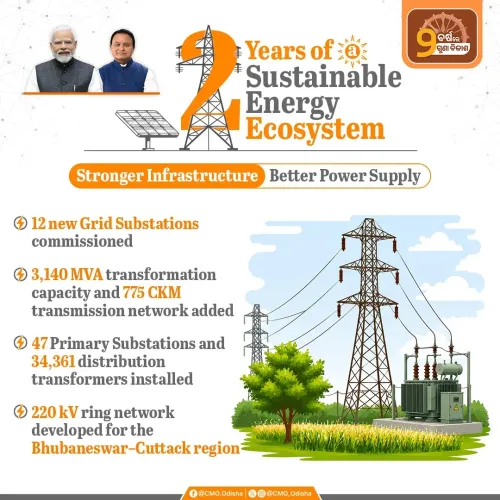
The Chief Minister's Office has indicated that sweeping reforms are being carried out in the power sector alongside rapid infrastructure construction, though specific project names and detailed statistics for the post-2024 period have not been publicly detailed in this announcement.