Odisha links PM Surya Ghar Yojana to PMAY, housing schemes for solar access
Synopsis
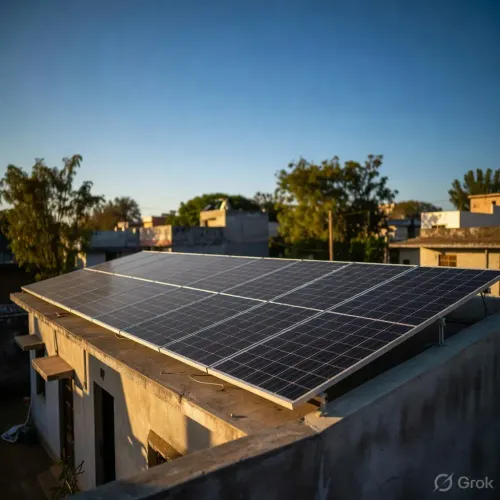
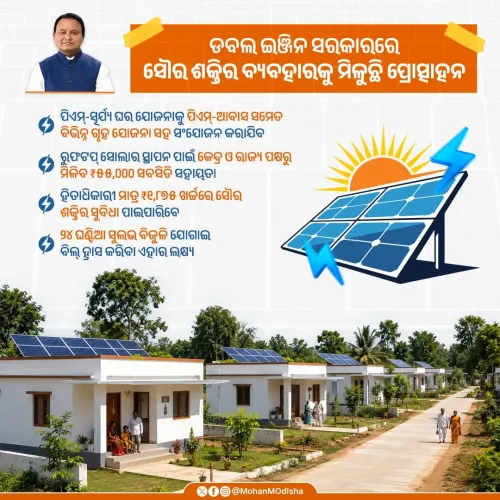
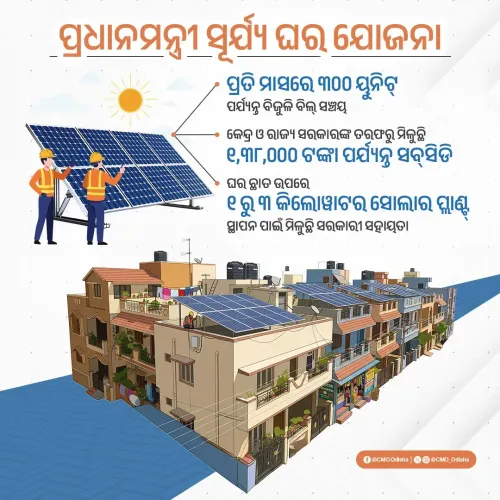
Odisha is embedding solar power directly into its housing welfare pipeline — PM-Surya Ghar Yojana will now be an opt-in benefit for every PMAY and state housing scheme beneficiary. With a combined Centre-state subsidy of ₹55,000 and a beneficiary cost of just ₹1,875 per KW, the state is betting on bundled delivery to drive rooftop solar adoption at scale.
Key Takeaways
Deputy CM Kanak Vardhan Singh Deo announced on 8 July that PM-Surya Ghar Yojana will be linked to PMAY and other Odisha housing schemes.
Solar installation is opt-in for beneficiaries, with a combined subsidy of ₹55,000 (₹30,000 from Centre, ₹25,000 from state) for a 1 KW rooftop system in urban areas.
Beneficiary out-of-pocket cost is just ₹1,875 per kilowatt of solar panel.
A ₹3,708-crore underground cabling project across all four DISCOMs was approved to replace overhead power lines.
Safety measures include insulated conductors, substation fencing, boundary walls, and a new utility shifting portal and app.
Odisha Deputy Chief Minister and Energy Minister Kanak Vardhan Singh Deo on Wednesday, 8 July announced that the PM-Surya Ghar Yojana will be integrated with the state's major housing programmes, including Pradhan Mantri Awaas Yojana (PMAY), in a move aimed at delivering clean, affordable electricity to every housing beneficiary in the state.
What the Integration Means for Beneficiaries
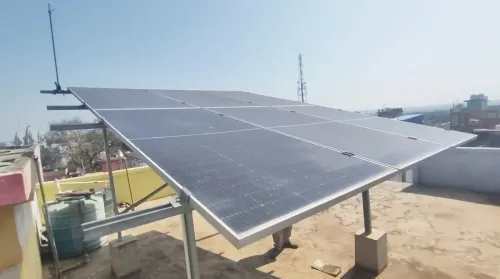
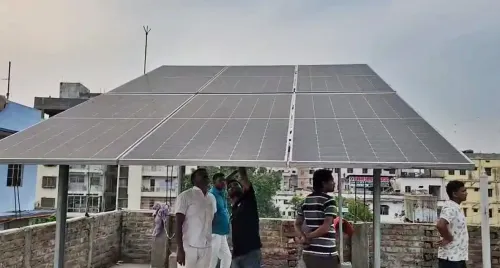
Under the proposed linkage, solar rooftop installation will be offered as an opt-in benefit for households already enrolled under PMAY and other state housing schemes. Singh Deo said the goal is to ensure that every housing beneficiary also gains access to solar power, reducing electricity bills while guaranteeing round-the-clock clean energy supply.
For a 1 KW rooftop solar installation in urban areas, beneficiaries will receive a combined subsidy of ₹30,000 from the Centre and ₹25,000 from the Odisha government. The out-of-pocket cost for the beneficiary is just ₹1,875 per kilowatt of solar panel installed, according to an official release.
Key Decisions from the High-Level Review
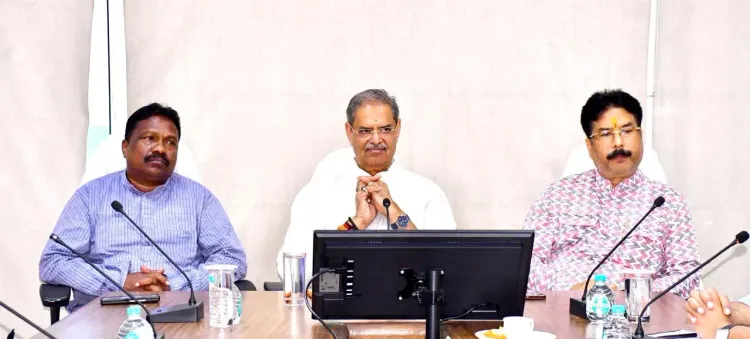
The announcement came during a high-level review meeting chaired by Singh Deo, covering power sector reforms, safety infrastructure, and scheme implementation. Among the significant decisions taken at the meeting was the approval of a ₹3,708-crore underground cabling project across all four DISCOMs in Odisha, intended to replace existing overhead power lines.
Additional safety measures directed at the meeting include: preparing a comprehensive Detailed Project Report (DPR) on safety for Odisha's DISCOMs; replacing bare conductors with insulated conductors; shifting low-hanging wires; installing fencing at distribution substations; constructing boundary walls around power sub-stations; providing cradle and guard wires for LT line protection; and developing a utility shifting portal and app along with an LTDB for LT protection.
Electrification and Infrastructure Push
The Deputy CM also reviewed the implementation of the PM-SGMBY and ULA Model for both urban and rural electrification, covering poles, wiring, and streetlights. Singh Deo directed officials to ensure time-bound execution of all safety and infrastructure projects, stressing the state government's commitment to providing safe, reliable, and sustainable power to every household in Odisha.
Senior Ministers and Officials Present
The meeting was attended by Housing and Urban Development Minister Dr Krushna Chandra Mahapatra, Rural Development, Panchayatiraj and Drinking Water Minister Rabi Narayan Naik, and other senior officials. All relevant departments are expected to work in coordination to deliver safe and reliable service under the integrated framework.
The integration of PM-Surya Ghar with housing schemes marks a significant step in Odisha's renewable energy push, with the state now setting a model for linking central solar subsidies directly to existing welfare housing delivery pipelines.
Point of View
875 beneficiary cost is low enough to be genuinely accessible, but the real test will be DISCOM execution capacity, which has historically been the weak link in rooftop solar rollouts across states. The ₹3,708-crore underground cabling decision, taken at the same meeting, signals that the state is also serious about grid reliability — without which solar additions are of limited value. Whether coordination between energy, housing, and rural development departments holds in practice is the question mainstream coverage is not asking.
NationPress
7 Oct 2026
Frequently Asked Questions
What is the PM-Surya Ghar Yojana integration with PMAY in Odisha?
Odisha will offer PM-Surya Ghar Yojana rooftop solar installation as an optional benefit to all PMAY and state housing scheme beneficiaries, announced on 8 July 2025. The aim is to provide 24x7 clean electricity while reducing electricity bills for housing scheme recipients.
How much subsidy will Odisha beneficiaries get for rooftop solar?
Beneficiaries in urban areas will receive ₹30,000 from the Centre and ₹25,000 from the Odisha government for a 1 KW rooftop solar installation. The beneficiary's own contribution is just ₹1,875 per kilowatt.
What is the ₹3,708-crore underground cabling project in Odisha?
It is a major power infrastructure project approved at the high-level review meeting on 8 July, covering all four DISCOMs in Odisha. The project will replace existing overhead power lines with underground cables to improve safety and reliability.
Who attended the high-level power sector review meeting in Odisha?
The meeting was chaired by Deputy CM and Energy Minister Kanak Vardhan Singh Deo. It was also attended by Housing and Urban Development Minister Dr Krushna Chandra Mahapatra, Rural Development Minister Rabi Narayan Naik, and senior officials from relevant departments.
What safety measures were directed for Odisha's power distribution network?
Directives included replacing bare conductors with insulated ones, shifting low-hanging wires, installing fencing at distribution substations, constructing boundary walls around power sub-stations, and developing a utility shifting portal and app for LT protection.