Operation Sindoor fuels India's defence exports: NDA cites BrahMos deals
Synopsis
Operation Sindoor has given the NDA a potent political and diplomatic talking point: India is no longer just a defence importer. With BrahMos deals signed by Philippines, Vietnam and Indonesia, and Modi's Melbourne address amplifying the message, the ruling coalition is framing a military operation as the launchpad for India's arms-export ambitions.
Key Takeaways
BJP and NDA allies on 10 July hailed PM Modi's remarks on Operation Sindoor at the Melbourne Meets Modi event.
BJP Spokesperson R.P.
Singh cited defence deals with Philippines , Vietnam , and Indonesia as proof of India's combat-proven weapons credibility.
The BrahMos Missile System is central to India's defence export push, with the Philippines deal — India's first BrahMos export — signed in 2022.
JDU Spokesperson Rajiv Ranjan claimed India destroyed terror infrastructure and killed over 100 terrorists within 72 hours during Operation Sindoor (attributed, not independently verified).
BJP MP Ashok Kumar Mittal alleged Pakistan sought a ceasefire within a week of the operation beginning.
The NDA is framing Operation Sindoor as both a security milestone and a catalyst for India's broader defence export ambitions.
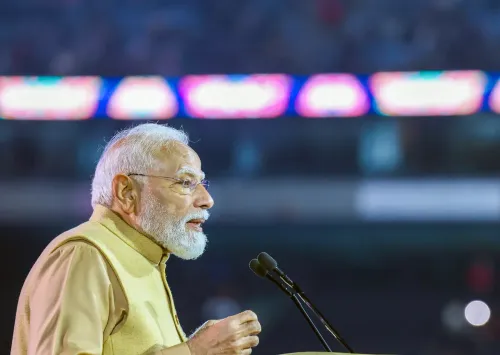
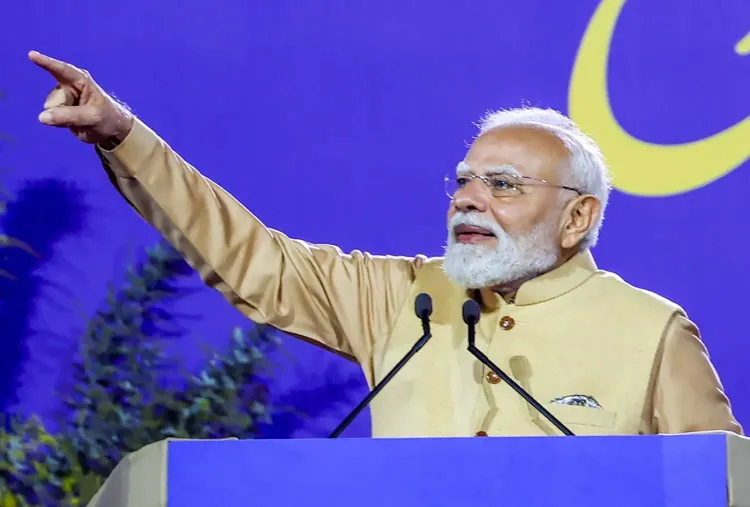
A day after Prime Minister Narendra Modi spotlighted India's defence capabilities during Operation Sindoor at the 'Melbourne Meets Modi' event, the Bharatiya Janata Party (BJP)-led National Democratic Alliance (NDA) rallied behind his remarks on 10 July, asserting that India's strengthened defence infrastructure has translated into tangible export wins — with nations now actively signing weapons deals with New Delhi.
BJP Spokespersons Hail India's Defence Leap
BJP National Spokesperson R.P. Singh said India had dismantled terror infrastructure in Pakistan and demonstrated the battlefield credibility of its weapons systems. 'We have destroyed terror infrastructures there. Apart from that the might of our weapons have also been proved because of which countries like Philippines and Vietnam have entered into defence deals with India,' Singh said. His remarks were a direct reference to India's BrahMos Missile System agreements with Philippines, Vietnam, and Indonesia.
Rajasthan BJP President Madan Rathore described Operation Sindoor as a strategic milestone, noting that strikes targeted what he called 'very centres of terrorism' inside Pakistan. Drawing a parallel with the US operation that killed Osama Bin Laden, Rathore said India had now demonstrated the ability to eliminate terrorists by launching missiles from within its own territory — a capability he argued reflects the depth of India's defence build-up under Modi.
NDA Allies Amplify the Message
Janata Dal-United (JDU) National Spokesperson Rajiv Ranjan said Indian defence forces had shown the world that Pakistan 'may nurture terrorism but they don't have the courage to compete against India.' He claimed that within 72 hours, India destroyed terrorist infrastructure and 'killed more than 100 of their major terrorists' — a figure attributed to his statement and not independently verified.
BJP MP Ashok Kumar Mittal described Operation Sindoor as 'incredible', alleging that Pakistan was left in ruins within a week and subsequently 'requested to stop it.' He added that India agreed to Pakistan's plea for a ceasefire, framing it as a demonstration of India's restraint rather than compulsion. BJP Spokesperson Guru Prakash Paswan echoed the sentiment, saying no external power can threaten India's sovereignty without facing a decisive response.
The BrahMos Factor: From Domestic Pride to Export Diplomacy
Central to the NDA's narrative is the BrahMos supersonic cruise missile, jointly developed by India and Russia, which has emerged as India's flagship defence export product. The Philippines signed a deal worth approximately ₹2,671 crore in 2022 — the first-ever BrahMos export — and negotiations with Vietnam and Indonesia have followed, according to earlier government statements. Operation Sindoor, according to NDA leaders, has reinforced the global perception of Indian weapons as combat-proven systems, potentially accelerating future export pipelines.
Context: Operation Sindoor and the Political Narrative
Operation Sindoor, India's military action targeting alleged terror camps in Pakistan, has become a recurring reference point for the ruling coalition in recent weeks. Prime Minister Modi's address at the Melbourne Meets Modi community event — where he highlighted India's defence achievements — provided fresh political momentum for the NDA to project the operation as both a security success and a catalyst for India's emergence as a credible arms exporter. This comes amid a broader government push to raise defence exports to ₹50,000 crore by 2029, a target set under the Defence Acquisition Procedure framework. Whether Operation Sindoor's diplomatic aftereffects translate into signed contracts beyond the existing BrahMos pipeline remains to be seen.
Point of View
Vietnam and Indonesia predate Operation Sindoor, but the coalition is retrospectively threading them into a single narrative of Modi-era strategic assertiveness. What mainstream coverage underplays is that these deals are still being operationalised — delivery timelines and payment structures remain works in progress. The real test of Sindoor's export dividend will come in whether new contracts are signed in the next 12–18 months, not in the political speeches of today.
NationPress
10 Oct 2026
Frequently Asked Questions
What did NDA leaders say about Operation Sindoor and India's defence exports?
NDA leaders on 10 July said Operation Sindoor proved the battlefield credibility of Indian weapons, directly contributing to defence deals with Philippines, Vietnam and Indonesia for the BrahMos Missile System. They cited PM Modi's Melbourne address as the backdrop for their statements.
Which countries have signed BrahMos Missile System deals with India?
The Philippines, Vietnam and Indonesia have entered into BrahMos Missile System deals with India, according to BJP National Spokesperson R.P. Singh. The Philippines signed the first-ever BrahMos export deal in 2022.
What is Operation Sindoor?
Operation Sindoor is India's military operation targeting alleged terrorist infrastructure in Pakistan. NDA leaders have described it as a strategic milestone that demonstrated India's missile and defence capabilities on the world stage.
How did BJP MP Ashok Kumar Mittal describe Operation Sindoor?
BJP MP Ashok Kumar Mittal called Operation Sindoor 'incredible', claiming Pakistan was left in ruins within a week and subsequently requested a ceasefire. He said India agreed to the ceasefire plea, framing it as an act of restraint.
What is India's broader defence export target?
India has set a target of raising defence exports to ₹50,000 crore by 2029 under its Defence Acquisition Procedure framework. The BrahMos Missile System is currently the flagship product driving that export push.