Opposition passes 'public impeachment' resolution demanding CEC Gyanesh Kumar's removal
Synopsis
Over 250 Opposition MPs and leaders gathered at Mallikarjun Kharge's residence on 31 October and passed a 'symbolic public impeachment' resolution against CEC Gyanesh Kumar, alleging he deleted 13.2 crore voter names through the SIR exercise. The demand for criminal proceedings — including a sedition case — signals the sharpest Opposition escalation against the Election Commission in recent memory.
Key Takeaways
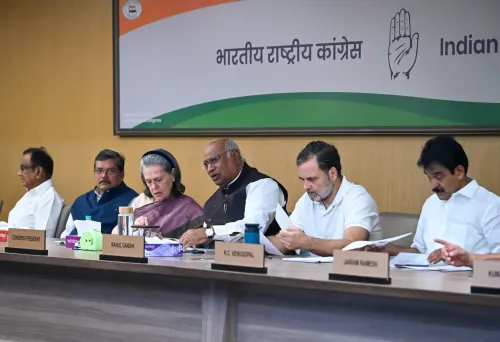
Opposition leaders passed a 'symbolic public impeachment' resolution on 31 October at 10 Rajaji Marg, New Delhi , demanding CEC Gyanesh Kumar's removal.
More than 250 Opposition MPs attended, including Sonia Gandhi, Rahul Gandhi, Priyanka Gandhi, Hemant Soren , and Tejashwi Yadav .
Congress President Mallikarjun Kharge alleged the SIR exercise deleted 13.2 crore voters' names and that the CEC was acting under PM Modi and Home Minister Amit Shah's directions.
Rahul Gandhi alleged the deletions removed nearly 15 per cent of the electorate, questioning the legitimacy of the 2024 Lok Sabha elections .
The resolution also demanded repeal of the 2023 law granting legal protection to the Chief Election Commissioner.
Opposition leaders vowed to continue the campaign through Parliament and public mobilisation.
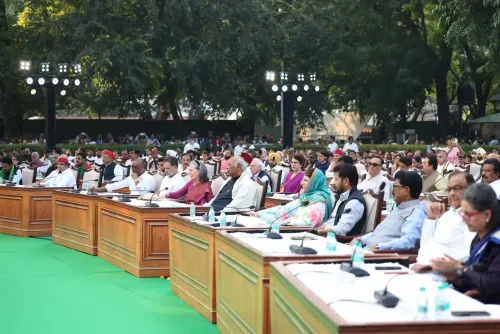
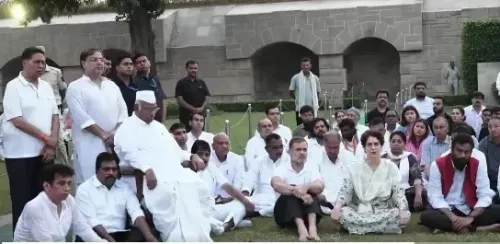
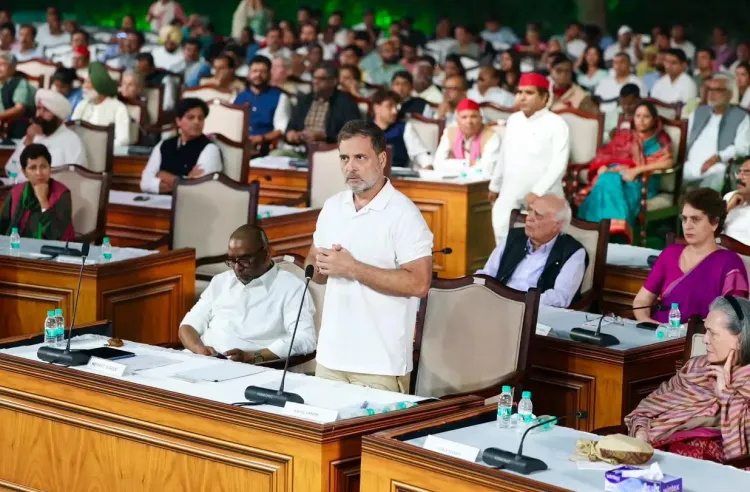
Opposition leaders, social activists, students, and civil society members on Saturday, 31 October unanimously passed a 'symbolic public impeachment' resolution at New Delhi, demanding the removal of Chief Election Commissioner (CEC) Gyanesh Kumar and the initiation of criminal proceedings against him over alleged electoral irregularities and vote theft. The resolution was adopted at the official residence of Congress President Mallikarjun Kharge at 10 Rajaji Marg.
Who Was Present and Who Presided
Former Lok Sabha Speaker Meira Kumar presided over the proceedings. The event drew a broad cross-section of Opposition figures, including Congress leaders Sonia Gandhi, Rahul Gandhi, Priyanka Gandhi, and K.C. Venugopal. Also in attendance were Jharkhand Chief Minister Hemant Soren, Telangana Chief Minister A. Revanth Reddy, Samajwadi Party leader Dharmendra Yadav, Rashtriya Janata Dal leader Tejashwi Yadav, and more than 250 Opposition MPs and other participants.
Kharge's Allegations Against the Election Commission
Presenting the resolution, Kharge alleged that the Election Commission had manipulated electoral rolls and election results in favour of the Bharatiya Janata Party (BJP). He specifically accused the commission of using the Special Intensive Revision (SIR) exercise to delete 13.2 crore voters' names, centralise control over electoral rolls, and exclude other Election Commissioners from key decision-making processes.
Kharge further claimed that citizens' constitutional right to vote was under serious threat, alleging that CEC Gyanesh Kumar was functioning under the directions of Prime Minister Narendra Modi and Union Home Minister Amit Shah. He also demanded an immediate halt to the SIR exercise.
Rahul Gandhi's Demand for Criminal Action
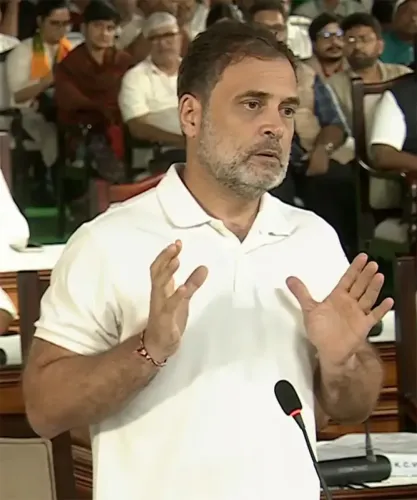
Rahul Gandhi, addressing the gathering, alleged that the deletion of 13.2 crore names amounted to removing nearly 15 per cent of the electorate. He argued this raised serious questions about the legitimacy of the 2024 Lok Sabha elections, in which the difference between the Opposition and the ruling parties was reportedly around three percentage points.
Gandhi went further, demanding that Gyanesh Kumar face criminal proceedings, including a sedition case, alleging that the Opposition possessed sufficient evidence of electoral wrongdoing. These are allegations the Election Commission has not publicly responded to, according to available reports.
Key Demands in the Resolution
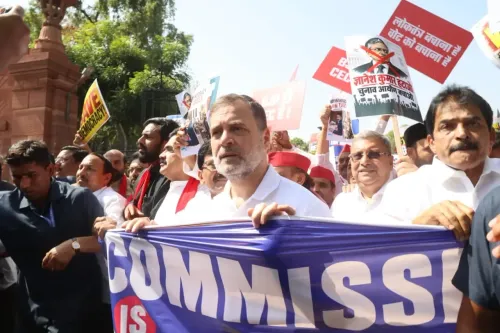
Beyond the removal of the CEC, the resolution called for the repeal of the 2023 law that grants legal protection to the Chief Election Commissioner. Opposition leaders said they would carry their campaign forward through Parliament and sustained public mobilisation, signalling that Saturday's event was the opening salvo of a broader political offensive.
Context and What Comes Next
The event marks an escalation in the Opposition's long-running confrontation with the Election Commission over the SIR exercise. Critics argue the voter-roll revision process, if conducted without adequate safeguards, risks disenfranchising legitimate voters — a charge the commission has previously denied. Notably, this is not the first time the Opposition has raised concerns about electoral roll deletions, but Saturday's 'symbolic impeachment' format represents a sharper, more theatrical form of protest. With Parliament's next session on the horizon, Opposition leaders are expected to press these demands on the floor of both Houses.
Point of View
And the demand for its repeal has cross-partisan merit that extends beyond today's political theatre. The Election Commission's silence on the specifics of the SIR deletions is conspicuous and, if sustained, will only deepen the credibility deficit.
NationPress
31 Oct 2026
Frequently Asked Questions
What is the 'symbolic public impeachment' resolution passed by the Opposition?
It is a non-binding resolution passed on 31 October by Opposition leaders, social activists, and civil society members, demanding the removal of Chief Election Commissioner Gyanesh Kumar and criminal proceedings against him over alleged electoral irregularities. The resolution was adopted at Congress President Mallikarjun Kharge's official residence in New Delhi.
What is the SIR exercise and why is the Opposition objecting to it?
The Special Intensive Revision (SIR) is an Election Commission exercise to revise electoral rolls. The Opposition alleges it resulted in the deletion of 13.2 crore voters' names, which they claim amounts to removing nearly 15 per cent of the electorate and undermines the constitutional right to vote.
What criminal action has the Opposition demanded against CEC Gyanesh Kumar?
Rahul Gandhi demanded that Gyanesh Kumar face criminal proceedings, including a sedition case, alleging the Opposition holds sufficient evidence of electoral wrongdoing. The Election Commission has not publicly responded to these specific allegations, according to available reports.
What is the 2023 law the Opposition wants repealed?
The 2023 law in question grants legal protection to the Chief Election Commissioner. The Opposition resolution called for its repeal, arguing it places the CEC beyond accountability and shields alleged misconduct from judicial scrutiny.
What happens next after this resolution?
Opposition leaders have announced they will press their demands through Parliament and continue public mobilisation. With the next Parliamentary session approaching, the allegations against the Election Commission are expected to be raised on the floor of both Houses.