Owaisi Urges Education Minister to Postpone DU Exams for Muslim Festival
Synopsis
AIMIM president Asaduddin Owaisi has publicly urged Union Education Minister Dharmendra Pradhan to direct Delhi University to postpone examinations coinciding with a Muslim religious festival, alleging the institution applies a biased standard toward Muslim minority students compared to other communities.
Key Takeaways
AIMIM president Asaduddin Owaisi tagged Union Education Minister Dharmendra Pradhan on 27 May 2026 demanding exam postponement at Delhi University .
Owaisi accused Delhi University of showing 'biased attitude towards Muslim Minorities' over exam scheduling.
He questioned whether the university would take the same position if the clash involved festivals of other communities.
UGC guidelines from the 2010s direct universities to accommodate major festivals, but enforcement has been inconsistent.
As a centrally funded institution, Delhi University falls under the oversight of the Ministry of Education , giving the minister a formal avenue to intervene.
No formal response from the ministry or the university had been issued at the time of publication.
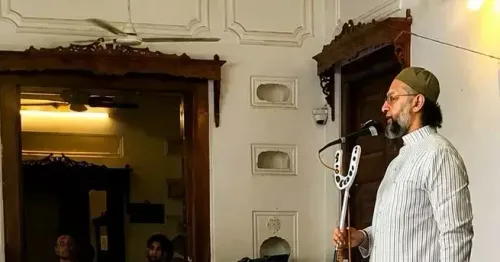
AIMIM president Asaduddin Owaisi on Wednesday, 27 May 2026, publicly called on Union Education Minister Dharmendra Pradhan to intervene and ensure that University of Delhi postpones examinations scheduled to clash with a Muslim religious observance, accusing the university of displaying a biased attitude toward Muslim minority students.
Context
Owaisi addressed his post directly to Dharmendra Pradhan, tagging the minister's official handle and urging him to 'kindly ensure that the exams are postponed.' He charged that Delhi University is 'showing their biased attitude towards Muslim Minorities,' and pointedly asked whether the institution 'will also say the same thing when festival of other communities are celebrated.' The post reflects a long-standing grievance among Muslim student groups that central universities apply inconsistent standards when accommodating religious holidays across communities.
Policy Backdrop
The University Grants Commission (UGC) issued academic calendar guidelines in the 2010s directing universities to accommodate major festivals while maintaining examination timelines, but implementation has remained uneven across institutions. Delhi University, as a centrally funded institution, operates under the oversight of both the UGC and the Ministry of Education, meaning the minister does have a formal channel through which to direct or advise the university administration. Similar scheduling disputes have surfaced repeatedly across Indian states over the past decade, with minority student groups arguing that holidays tied to majority-community festivals are routinely protected while their own observances are overlooked.
Stakeholders and Impact
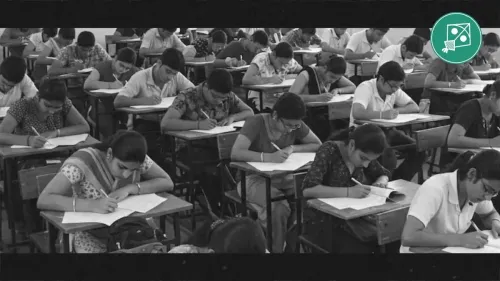
The immediate stakeholders are Muslim students enrolled at Delhi University who face the prospect of sitting for examinations on a day of religious significance. For them, the conflict presents a direct choice between academic performance and religious observance — a dilemma that critics argue majority-community students rarely face given the existing holiday calendar. The university administration, which independently sets academic schedules, is now under public and political pressure to respond, while Pradhan's ministry faces a test of whether it will use its oversight role to intervene in what has become a public equity debate.
What's Next
All eyes are now on a formal response from the Ministry of Education or a directive to Delhi University regarding its 2026–27 academic calendar and holiday accommodation policy. If the ministry declines to act, the issue is likely to escalate through student bodies and Opposition channels in Parliament. A precedent set here — either way — will shape how centrally funded universities handle minority religious observances going forward, making this a bellwether moment for equity in higher education administration in India.
Point of View
Any response carries political weight: intervention risks being read as capitulating to minority pressure, while inaction invites charges of discriminatory governance. The episode ultimately tests whether India's central university framework can operationalise its own UGC guidelines on religious accommodation in a consistent and community-neutral manner.
NationPress
11 Oct 2026
Frequently Asked Questions
Why is Owaisi asking for Delhi University exams to be postponed?
Owaisi says the exams are scheduled on a Muslim religious festival, and he is accusing Delhi University of bias by not accommodating Muslim students the way it does for students of other communities.
Who is Dharmendra Pradhan and why is Owaisi tagging him?
Dharmendra Pradhan is the Union Education Minister and has oversight authority over centrally funded institutions like Delhi University, making him the appropriate official to direct or advise the university on its exam schedule.
Does Delhi University have to follow UGC guidelines on festival holidays?
Yes, UGC academic calendar guidelines direct universities to accommodate major festivals, but individual universities retain discretion in scheduling, and compliance has been uneven across institutions.
Has this kind of dispute happened before at Indian universities?
Yes, similar controversies over exam scheduling clashing with minority religious observances have surfaced repeatedly across Indian states over the past decade, making this a recurring issue in higher education administration.
What happens if the Ministry of Education does not intervene?
If the ministry declines to act, the matter is likely to be raised through student body protests and Opposition channels in Parliament, and could set a precedent for how future religious accommodation requests are handled at central universities.