Jal Shakti Minister Paatil Reviews JJM, Namami Gange in Kolkata
Synopsis
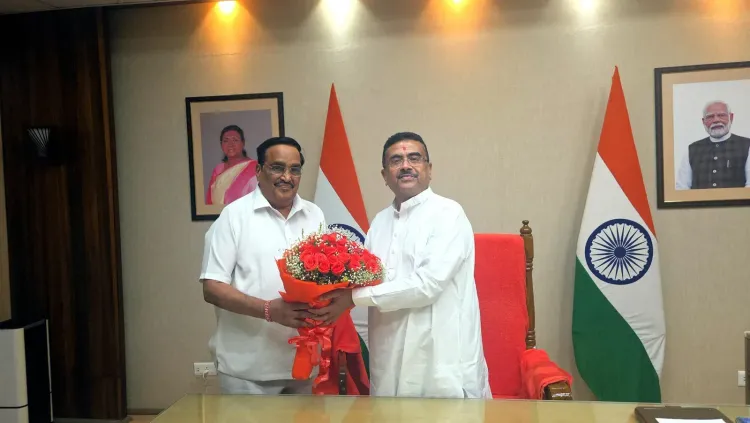
Union Jal Shakti Minister C. R. Paatil met West Bengal BJP leader Suvendu Adhikari in Kolkata on 18 June 2026 to review implementation of Jal Jeevan Mission, Namami Gange, and water conservation programmes, stressing time-bound delivery of benefits to every citizen.
Key Takeaways
Union Jal Shakti Minister C.
Paatil visited Kolkata on 18 June 2026 for a scheme review meeting.
The review covered Jal Jeevan Mission , Namami Gange , and water conservation programmes in West Bengal .
The meeting was held with BJP Leader of Opposition Suvendu Adhikari , reflecting BJP's centre-state coordination channel in a non-BJP-governed state.
Emphasis was placed on time-bound and effective implementation so benefits reach every citizen quickly.
Jal Jeevan Mission was launched in August 2019 for universal rural tap water coverage; Namami Gange was approved in May 2015 for Ganga rejuvenation.
The ministry signalled continued efforts to accelerate development works in West Bengal toward water security and sanitation goals.
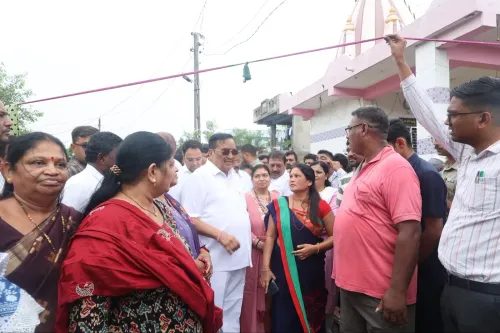
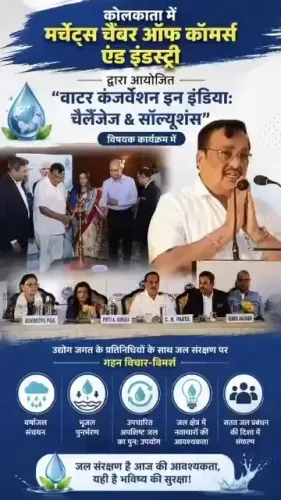
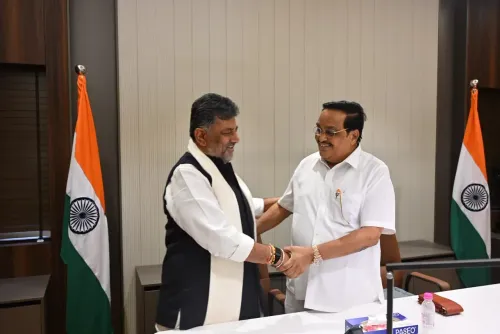
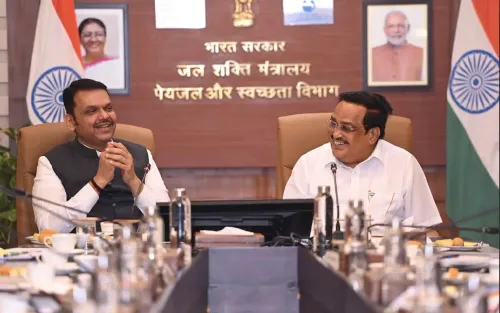
Union Jal Shakti Minister C. R. Paatil visited Kolkata on Thursday, 18 June 2026, where he met BJP Leader of Opposition in West Bengal, Suvendu Adhikari, to review the progress of key central water schemes in the state, including Jal Jeevan Mission, Namami Gange, and related water conservation programmes.
Paatil posted on X in Hindi, stating: 'aaj Kolkata pravas ke dauran... Jal Shakti Mantralaya ki vibhinn yojnaon, visheshkar Jal Jeevan Mission, Namami Gange, evam Jal Sanrakshan se sambandhit karyakramon ki pragati ki samiksha ki' ('During today's Kolkata visit, reviewed the progress of various Jal Shakti Ministry schemes, especially Jal Jeevan Mission, Namami Gange, and water conservation programmes'). He added that the Central and state governments are committed, under the leadership of Prime Minister Narendra Modi, to the effective and time-bound implementation of public welfare schemes.
Context
The Ministry of Jal Shakti was created in May 2019 by merging the erstwhile Ministries of Water Resources and Drinking Water and Sanitation, consolidating the government's water agenda under a single ministry. The Kolkata meeting reflects the ministry's ongoing practice of conducting field-level consultations with state-level leaders to assess on-ground delivery of centrally sponsored schemes. West Bengal, with its large rural population and its position in the Ganga basin, is a key state for both flagship programmes.
Policy Backdrop
Jal Jeevan Mission, launched in August 2019, aims to provide a functional household tap connection to every rural household in India. Namami Gange, approved by the Union Cabinet in May 2015, is the flagship integrated programme for pollution abatement and rejuvenation of the Ganga river and its tributaries. Both schemes are centrally sponsored and require active state-level co-implementation for physical and financial targets to be met on schedule.
Paatil's post underlined that 'special emphasis was placed during the review on ensuring that the benefits of these schemes reach every citizen at the earliest.' The minister also indicated that continuous efforts will be made to accelerate development works in West Bengal toward goals of water security, sanitation, and sustainable development.
Stakeholders and Impact
The primary beneficiaries of these schemes are rural households across West Bengal, particularly those in the Ganga basin districts who depend on the river for drinking water and livelihoods. Effective implementation of Jal Jeevan Mission directly affects access to safe piped water for millions of families who have historically relied on groundwater or surface sources. Namami Gange interventions — spanning sewage treatment, riverfront development, and afforestation — affect communities along the river's entire length through the state.
The meeting also signals a channel of centre-state engagement on welfare delivery, with the BJP-led Union government coordinating with its state-level leadership in West Bengal on the ground-level execution of centrally funded programmes.
What's Next
The ministry is expected to track updated Jal Jeevan Mission dashboard data for West Bengal following this review, which could inform any course corrections in implementation timelines or fund utilisation. Any formal follow-up minutes or joint action plans emerging from the Kolkata discussions will be closely watched by state officials and civil society groups monitoring water access targets. Accelerated progress in West Bengal would be significant for the national mission's overall coverage figures.
Point of View
Maintaining pressure on scheme delivery without direct access to the state administration. The review of Jal Jeevan Mission and Namami Gange in West Bengal fits a broader pattern of the Centre using periodic high-level meetings to keep centrally sponsored schemes in the political spotlight ahead of potential accountability audits. For the Jal Shakti Ministry, West Bengal represents both a significant coverage gap and a politically sensitive terrain, making visible ministerial engagement doubly purposeful. The emphasis on 'time-bound' delivery signals that the Centre is conscious of unmet targets and is seeking to build a public record of proactive follow-up.
NationPress
23 Sept 2026
Frequently Asked Questions
What did Jal Shakti Minister C. R. Paatil do in Kolkata on 18 June 2026?
Minister C. R. Paatil reviewed the progress of central water schemes — including Jal Jeevan Mission, Namami Gange, and water conservation programmes — with West Bengal BJP leader Suvendu Adhikari during his Kolkata visit on 18 June 2026.
What is Jal Jeevan Mission and what is its goal?
Jal Jeevan Mission is a central government scheme launched in August 2019 with the objective of providing a functional household tap water connection to every rural household in India, improving access to safe drinking water.
What is Namami Gange programme?
Namami Gange is the Union government's flagship integrated programme for the conservation and rejuvenation of the Ganga river, approved by the Union Cabinet in May 2015, covering pollution abatement, sewage treatment, and riverfront development.
Why did Paatil meet Suvendu Adhikari and not the West Bengal Chief Minister?
Suvendu Adhikari is the BJP Leader of Opposition in the West Bengal Legislative Assembly and the senior BJP leader in the state. The Union Minister's meeting with him reflects the BJP's practice of coordinating on central scheme implementation through its own party leadership in states where it is not in government.
What is the Ministry of Jal Shakti?
The Ministry of Jal Shakti was formed in May 2019 by merging the Ministries of Water Resources and Drinking Water and Sanitation, consolidating India's water policy, river management, and rural drinking water supply under one ministry.