Jal Shakti Minister Paatil Pays Tribute to Raja Ram Mohan Roy

Synopsis
Union Jal Shakti Minister C. R. Paatil marked Raja Ram Mohan Roy's birth anniversary on X, honouring the Brahmo Samaj founder's campaigns against Sati and for women's rights and education as an enduring source of inspiration for social progress.
Key Takeaways
Paatil , Union Minister of Jal Shakti, posted a Hindi-language tribute to Raja Ram Mohan Roy on his birth anniversary.
Paatil highlighted Roy's role in abolishing the Sati practice , advancing women's rights , and promoting modern education .
Raja Ram Mohan Roy (born 1772 ) founded the Brahmo Samaj in 1828 , a monotheistic socio-religious reform movement.
Roy's advocacy contributed directly to the Bengal Sati Regulation of 1829 , which legally banned the practice.
Indian political leaders across parties routinely issue such tributes on the anniversaries of 19th-century reformers, linking historical campaigns to present-day social policy.
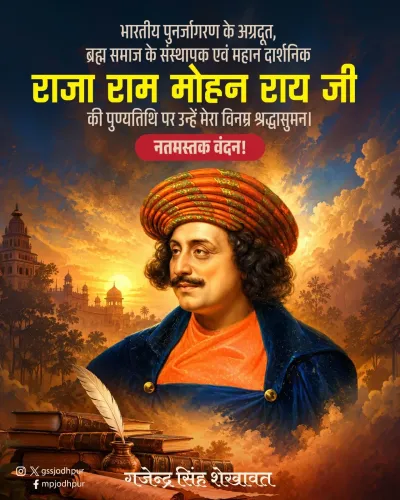
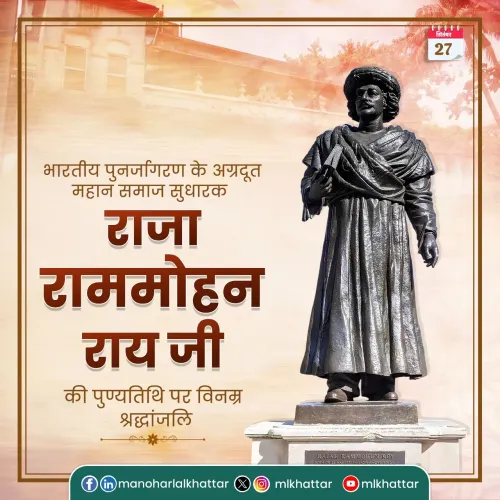
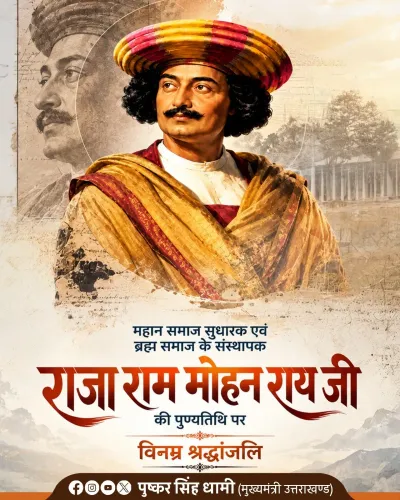
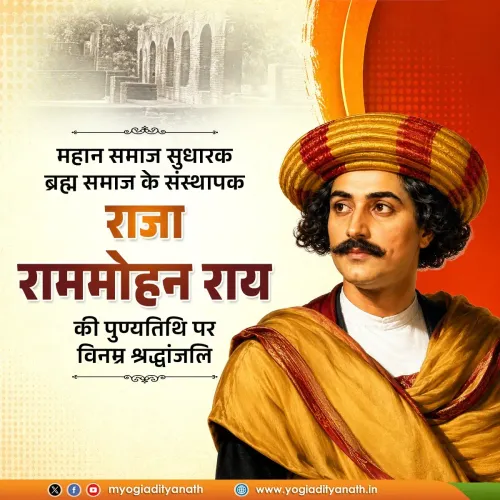
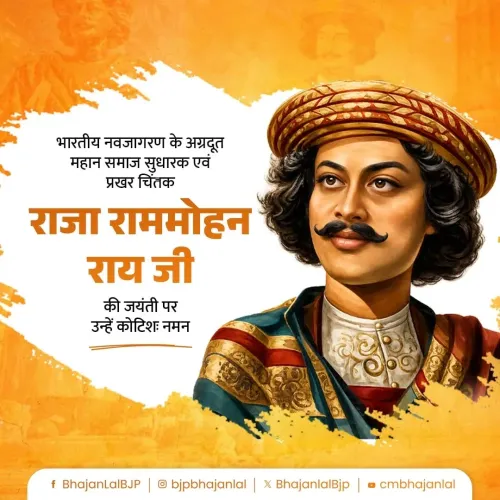
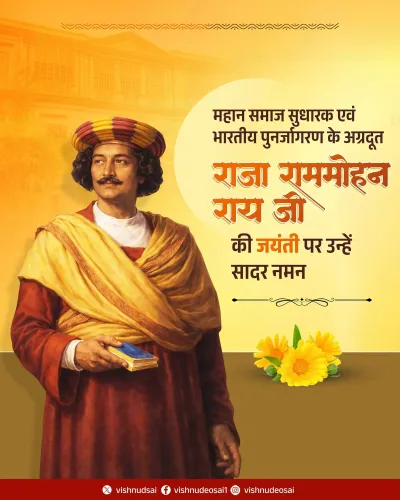
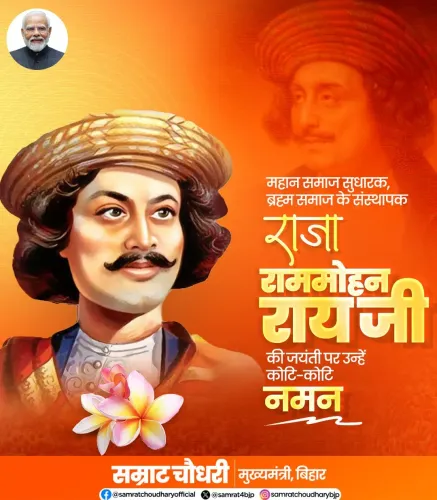
Union Jal Shakti Minister C. R. Paatil on Saturday paid homage to Raja Ram Mohan Roy on the social reformer's birth anniversary, hailing him as a pioneer of the Indian renaissance and the founder of Brahmo Samaj. Paatil posted his tribute on X, underscoring Roy's enduring relevance to contemporary debates on gender equity and education.
Context
Paatil's post, written in Hindi, offered kotishah naman (salutations in the millions) to Roy, describing him as a mahan samaj sudharak (great social reformer) and Bharatiya navajagaran ke agradoot (pioneer of the Indian renaissance). He specifically cited Roy's contributions to the abolition of the Sati practice, women's rights, education, and social consciousness, calling his life a perpetual source of inspiration for progressive thought and social upliftment.
Roy's birth anniversary is observed annually and draws tributes from political leaders across the spectrum, who invoke his legacy to reinforce commitments to social reform and gender justice.
Policy Backdrop
Raja Ram Mohan Roy, born in 1772, founded the Brahmo Samaj in 1828 as a monotheistic socio-religious reform movement that challenged entrenched practices including Sati, child marriage, and the denial of women's property rights. His sustained advocacy directly contributed to the Bengal Sati Regulation of 1829, which banned the practice under British colonial law — one of the earliest legislative victories for social reform in the subcontinent.
Roy also championed modern, rational education and is widely credited with laying the intellectual groundwork for the broader 19th-century reform movements that shaped modern India. The Brahmo Samaj he established went on to influence subsequent generations of reformers across Bengal and beyond.
Stakeholders and Impact
Roy's legacy is claimed across India's political and civil-society landscape. Women's rights advocates, educational institutions, and social-reform organisations regularly mark his birth anniversary with events and public discourse linking his 19th-century campaigns to present-day policy priorities such as gender equity legislation and access to education.
Indian political leaders issuing such tributes signal alignment with the reformist tradition, connecting historical milestones — such as the abolition of Sati — with ongoing government programmes aimed at women's empowerment and social welfare.
What's Next
Anniversary commemorations by other Union ministers and state governments are expected throughout the day, and references to Roy's legacy may surface in upcoming parliamentary discussions on social-sector legislation. The broader pattern of leaders invoking 19th-century reformers reflects a recurring effort to frame contemporary policy within a long arc of social progress.
Point of View
Citing Roy's campaign against Sati and for women's rights serves to underscore the party's reformist credentials on social issues. The post carries no direct policy announcement, but its timing on Roy's birth anniversary ensures it contributes to the day's broader national discourse on India's reform heritage. Such commemorations also subtly frame the ruling party as the inheritor of a long arc of social change stretching back to the colonial era.
NationPress
10 Oct 2026
Frequently Asked Questions
Who was Raja Ram Mohan Roy and why is he remembered?
Raja Ram Mohan Roy (1772–1833) was a pioneering Indian social reformer who founded the Brahmo Samaj in 1828 and led the campaign that resulted in the Bengal Sati Regulation of 1829, banning the practice of Sati. He is also remembered for championing women's rights, modern education, and rational thought, earning him the title 'Father of the Indian Renaissance.'
What did C. R. Paatil say about Raja Ram Mohan Roy?
Union Jal Shakti Minister C. R. Paatil paid tribute to Raja Ram Mohan Roy on his birth anniversary, calling him a great social reformer and pioneer of the Indian renaissance. Paatil specifically cited Roy's contributions to abolishing Sati, advancing women's rights, and promoting education and social consciousness.
When was Brahmo Samaj founded and by whom?
Brahmo Samaj was founded by Raja Ram Mohan Roy in 1828. It was a monotheistic socio-religious reform movement that challenged regressive social practices and influenced a generation of 19th-century Indian reformers.
What was the Bengal Sati Regulation of 1829?
The Bengal Sati Regulation of 1829 was a colonial-era law that banned the practice of Sati — the immolation of widows on their husbands' funeral pyres — in British India. It was enacted following sustained advocacy by Raja Ram Mohan Roy and his contemporaries.
Who is C. R. Paatil?
C. R. Paatil is a senior BJP leader and the Union Minister of Jal Shakti in the Indian government. He previously served as the BJP's Gujarat state president and is a member of the Lok Sabha.