Jal Shakti Minister Paatil reaffirms Yamuna rejuvenation push
Synopsis
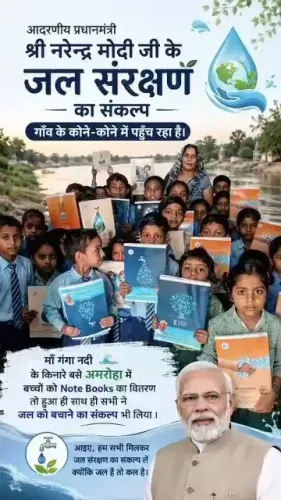
Union Jal Shakti Minister C. R. Paatil has reaffirmed that reviving the Yamuna is among the central government's highest priorities, saying continuous and comprehensive efforts to ensure the river's cleanliness, purity and uninterrupted flow are under way under Prime Minister Narendra Modi's leadership. His remarks build on the Namami Gange framework and decades of Yamuna-specific action plans.
Key Takeaways
Union Jal Shakti Minister C.
Paatil reiterated that Yamuna revival is a top central government priority.
He credited Prime Minister Narendra Modi's leadership for ongoing 'comprehensive' efforts on the river.
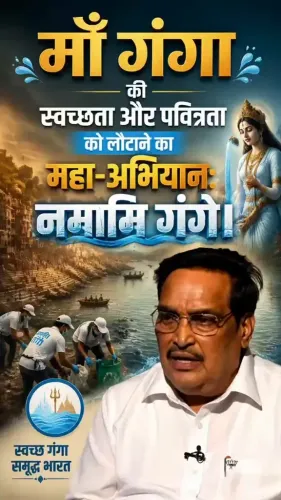
The Yamuna Action Plan dates back to 1993; Namami Gange was launched in 2014 to cover the wider basin.
The National Green Tribunal in 2015 ordered time-bound Yamuna restoration in Delhi-NCR.
Outcomes will be tracked through CPCB and DPCC water-quality monitoring reports.
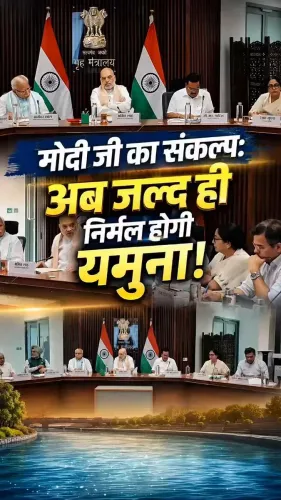
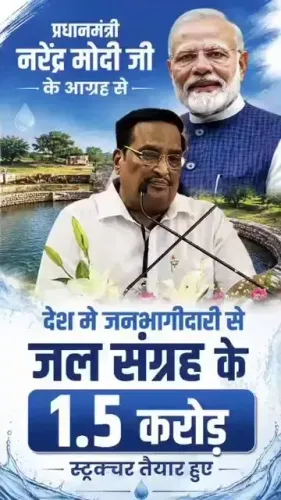
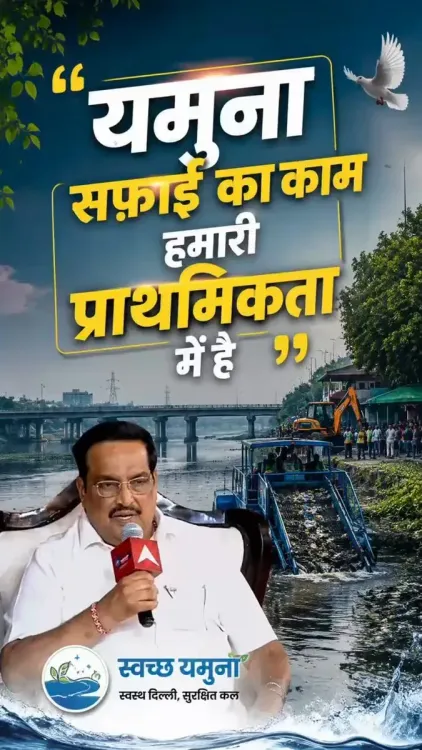
Union Jal Shakti Minister C. R. Paatil on Thursday reaffirmed the central government's commitment to cleaning the Yamuna, saying that sustained and wide-ranging efforts to restore the river were being carried out under the leadership of Prime Minister Narendra Modi. In a post on X accompanied by a short video, the minister described the river's revival as one of the government's 'highest priorities'.
Writing in Hindi, Paatil said, 'Under the leadership of Honourable Prime Minister Shri Narendra Modi, continuous and comprehensive efforts are being made to ensure the cleanliness, purity and uninterrupted flow of the Yamuna. The resolve to revive the Yamuna is among our highest priorities.' The phrase he used — स्वच्छता, निर्मलता और अविरलता (cleanliness, purity and uninterrupted flow) — echoes the formal vocabulary that central river-rejuvenation programmes have long used to frame their objectives.
Context
The Yamuna, a principal tributary of the Ganga, flows through Uttarakhand, Haryana, Delhi and Uttar Pradesh before merging with the main stem at Prayagraj. Stretches of the river, particularly through the National Capital Region, have for decades been marked by heavy sewage and industrial discharge, froth on the surface during festival months, and severely depleted dissolved oxygen.
Restoration of the river has been a recurring political and administrative commitment across governments. Paatil's message frames the current phase of work as a continuation of that arc, anchored in the Prime Minister's stated priorities on water and river health.
Policy backdrop
The Yamuna Action Plan, first launched in 1993, set up multiple phases of sewage treatment and pollution abatement along the river. In 2014, the Centre approved the Namami Gange programme for Ganga basin rejuvenation, under which Yamuna cleaning works were integrated into a single mission alongside other tributaries.
The National Green Tribunal in 2015 issued comprehensive orders directing time-bound restoration of the Yamuna in Delhi-NCR, with periodic monitoring of compliance. The Ministry of Jal Shakti, formed in 2019, brought together earlier fragmented water-related departments to enable coordinated, basin-level action — the institutional framework within which Paatil now operates.
Stakeholders and impact
The river's condition directly affects Delhi residents who depend on the Yamuna for a substantial share of the capital's drinking-water supply, as well as basin farmers in Haryana and Uttar Pradesh whose irrigation draws from the same waters. Riverfront communities, fisherfolk and religious congregations that gather on the ghats also have a stake in measurable improvements.
For the BJP, the Yamuna file carries political weight in Delhi, where the party returned to power in the assembly earlier this decade after a long gap and has linked civic delivery to river-cleaning outcomes. Paatil, a senior party figure and former Gujarat BJP president, is positioning the ministry's work as a continuation of the Prime Minister's signature water agenda.
What's next
Independent assessments of progress will hinge on water-quality monitoring data from the Central Pollution Control Board and the Delhi Pollution Control Committee, which publish periodic reports on biochemical oxygen demand, dissolved oxygen and faecal coliform levels at fixed sampling points along the river.
Attention will also turn to the next round of project approvals and fund releases under Namami Gange, including sewage infrastructure in NCR towns and interception works on key drains. Paatil's post, while broad in tone, signals that the Yamuna will remain a headline item on the Jal Shakti Ministry's public agenda in the months ahead.
Point of View
Signalling that the Yamuna file remains tightly attached to the Prime Minister's personal brand on water and rivers. By framing the work in terms of 'cleanliness, purity and uninterrupted flow', the minister borrows the established vocabulary of Ganga rejuvenation and extends it to the tributary — an attempt to project continuity rather than novelty. The real test, as ever, lies in CPCB and DPCC data sets rather than in ministerial messaging.
NationPress
18 Oct 2026
Frequently Asked Questions
What did C. R. Paatil say about the Yamuna?
He said that under Prime Minister Narendra Modi's leadership, continuous and comprehensive efforts are being made to ensure the Yamuna's cleanliness, purity and uninterrupted flow, and that reviving the river is among the government's highest priorities.
Who is the Union Jal Shakti Minister?
C. R. Paatil is the Union Minister of Jal Shakti. He is a senior BJP leader and former president of the party's Gujarat unit.
What is the Namami Gange programme?
Namami Gange is the Centre's flagship river rejuvenation programme launched in 2014. It covers the Ganga and its tributaries, including the Yamuna, with works spanning sewage treatment, industrial effluent control and riverfront development.
Why is cleaning the Yamuna important for Delhi?
The Yamuna supplies a significant share of Delhi's drinking water and runs through densely populated stretches of the capital. Its pollution affects public health, festival rituals on the ghats and downstream irrigation in Haryana and Uttar Pradesh.
What is the Yamuna Action Plan?
The Yamuna Action Plan is a pollution abatement programme first launched in 1993. It has had multiple phases focused on sewage treatment plants and interception works along the river, and is now integrated with the wider Namami Gange mission.