Why was Pappu Yadav sent to judicial custody in a 31-year-old case?
Synopsis
In a shocking turn of events, Pappu Yadav, the Independent MP from Purnea, has been remanded to judicial custody in a 31-year-old case. With his health declining, he faces urgent medical attention while navigating legal complexities ahead of his upcoming court appearance.
Key Takeaways
Pappu Yadav has been sent to judicial custody in a 31-year-old case.
He will receive medical treatment at PMCH due to health concerns.
A court hearing is scheduled for February 9 regarding bail.
Protests erupted at the time of his arrest from supporters.
Police have increased security measures around his residence.
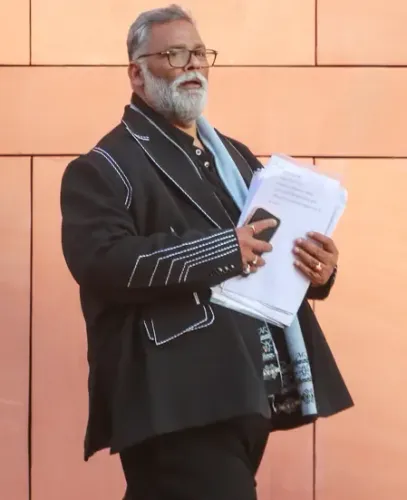
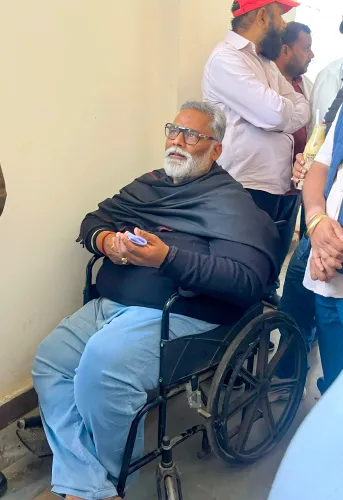
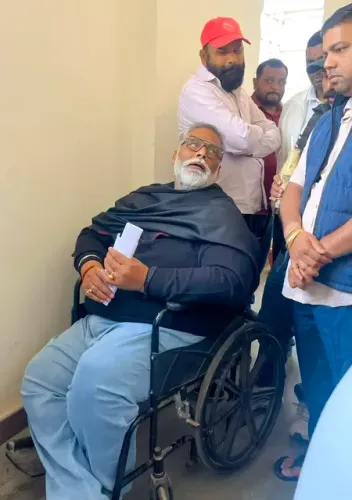
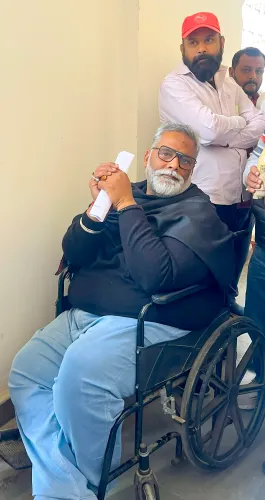
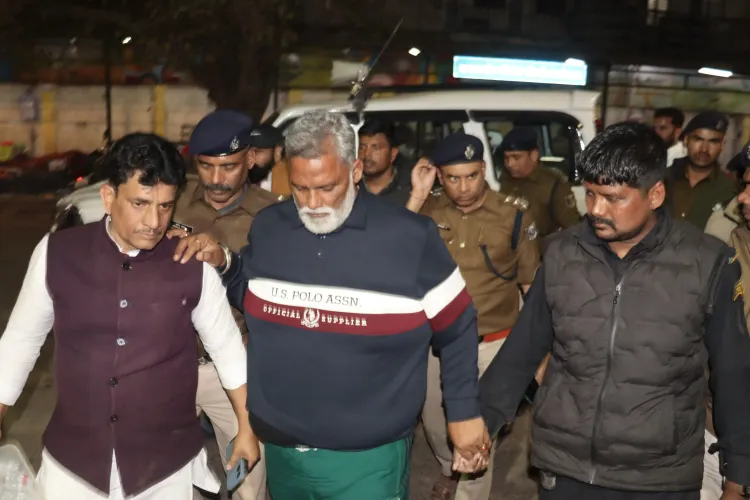
Patna, Feb 7 (NationPress) In a significant turn of events, Independent MP from Purnea, Rajesh Ranjan, known as Pappu Yadav, has been remanded to judicial custody in a case that dates back 31 years. Following the court's ruling, he is currently held at Beur Jail in Patna. Due to concerns regarding his health, he will be transferred to Patna Medical College and Hospital (PMCH) under police surveillance for necessary medical attention.
The forthcoming hearing is set for February 9, where Pappu Yadav will appear in court.
His attorney, Rishikesh Narayan Sinha, mentioned that Pappu Yadav’s bail plea will be addressed on the same date, which falls on a Monday.
Earlier, a special court in Patna had ordered the police to apprehend Pappu Yadav along with three other defendants in this decades-old case.
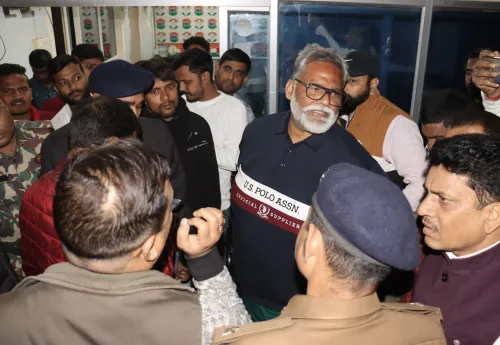
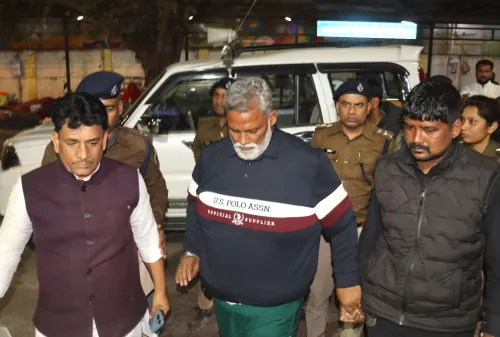
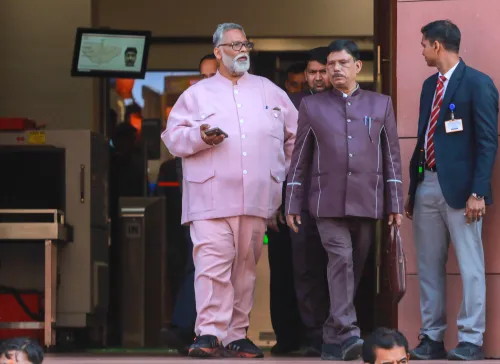
In compliance with the court's directive, a police team arrived at Pappu Yadav’s residence in Mandiri, Patna, late Friday evening, shortly after his return from Delhi.
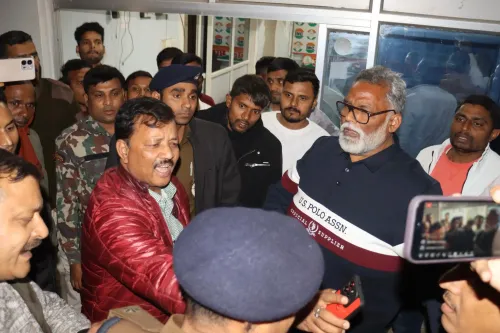
This arrest incited hours of protests and confrontations, as supporters of Pappu Yadav demanded to see the arrest warrant.
Amidst the tense situation, Pappu Yadav's condition deteriorated, leading him to faint during the arrest process.
He was initially taken to the Indira Gandhi Institute of Medical Sciences (IGIMS), before being transferred to PMCH on Saturday morning for further treatment.
In anticipation of potential unrest, police implemented extensive security measures, deploying additional personnel around Pappu Yadav’s residence to avert any incidents.
Following a medical assessment, doctors advised hospitalization, resulting in his admission to PMCH due to his health status.
On Saturday afternoon, Pappu Yadav appeared before the Patna MP/MLA court, where he requested bail on medical grounds.
After listening to arguments from both parties, the court decided to keep him in judicial custody and mandated that he remain hospitalized at PMCH for two days under stringent security protocols. Furthermore, the court instructed law enforcement and jail authorities to guarantee his safety and medical needs.
Point of View
It's vital to approach the situation with neutrality. Pappu Yadav's legal troubles, stemming from a case that has lingered for three decades, highlight ongoing issues within the justice system and political accountability in India. It remains to be seen how this will impact his supporters and the political landscape in Purnea.
NationPress
7 Oct 2026
Frequently Asked Questions
What is the reason for Pappu Yadav's judicial custody?
Pappu Yadav was sent to judicial custody due to his involvement in a case that dates back 31 years, as ordered by a special court in Patna.
What are the health concerns for Pappu Yadav?
Pappu Yadav's health deteriorated during his arrest, leading to his transfer to Patna Medical College and Hospital for medical treatment.
When is the next hearing for Pappu Yadav's case?
The next hearing for Pappu Yadav's case is scheduled for February 9.
What actions were taken by supporters during the arrest?
Supporters of Pappu Yadav protested and demanded to see the arrest warrant as police attempted to take him into custody.
What security measures were implemented during this incident?
In anticipation of unrest, police deployed additional security forces around Pappu Yadav's residence to maintain order.