Gujarat CM Bhupendra Patel urges natural farming in tribal Dahod, reviews rural welfare
Synopsis
Gujarat Chief Minister Bhupendra Patel wrapped up a 72-hour stay in the tribal heartland of Dahod by calling for a shift away from chemical farming — linking agrochemical overuse directly to diabetes and blood pressure among tribal youth. The visit blended grassroots welfare review with a pointed public health message rarely heard at this register of state politics.
Key Takeaways
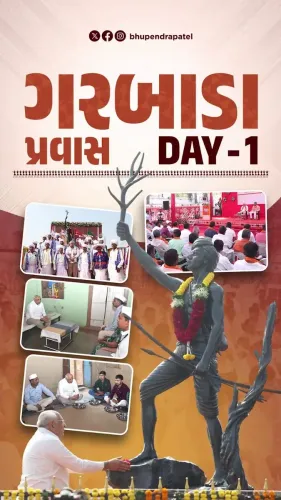
Gujarat CM Bhupendra Patel concluded a 72-hour visit to the tribal region of Garbada, Dahod district on 20 November 2026 .
Patel warned that overuse of chemical fertilisers and pesticides is causing diabetes and high blood pressure among tribal youth and urged adoption of natural farming .
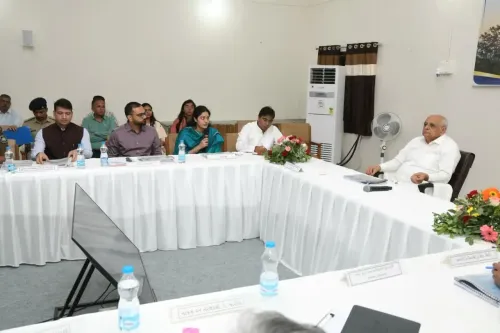
He reviewed welfare delivery under PMAY , Pradhan Mantri Ujjwala Yojana , and Nal Se Jal in remote villages of the Gujarat–Madhya Pradesh border belt.
Women from Sakhi Mandals (self-help groups) showcased livelihood products at exhibition stalls during the interaction.
Patel visited the Smart City Library in Garbada, interacting with students preparing for competitive examinations.
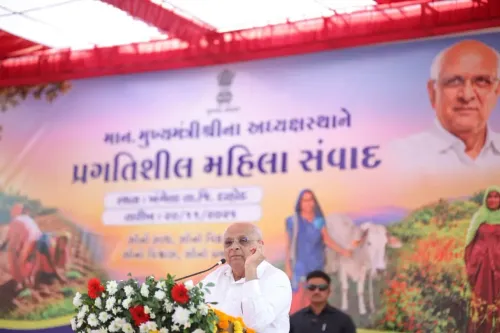
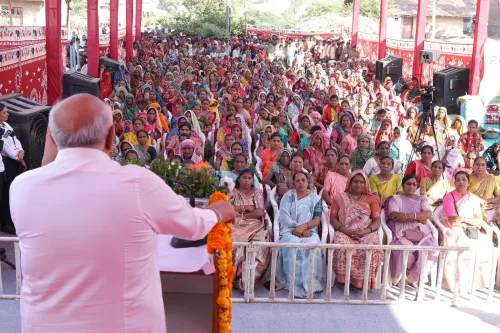
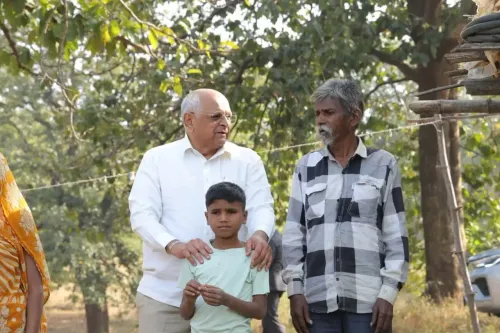
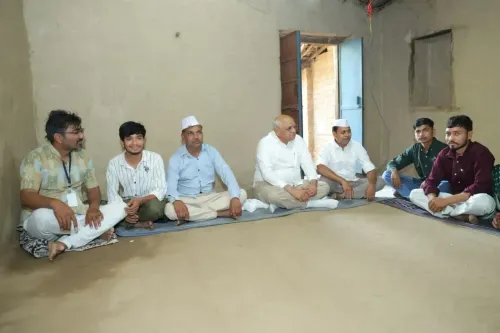
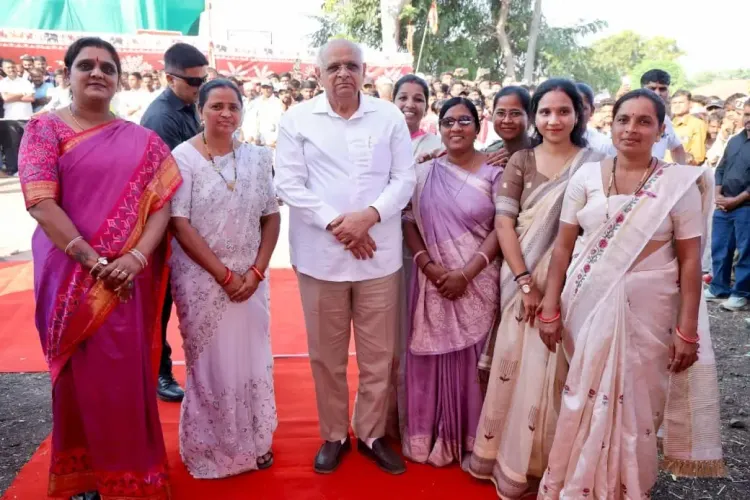
Gujarat Chief Minister Bhupendra Patel on Thursday, 20 November 2026, called for a decisive shift towards natural farming in tribal areas, warning that unchecked use of chemical fertilisers and pesticides is degrading soil health and driving lifestyle diseases such as diabetes and high blood pressure among the young. Patel made the remarks during the concluding day of a 72-hour immersive visit to the tribal belt of Garbada in Dahod district, as he interacted with rural women and villagers in Khangela — a remote village on the Gujarat–Madhya Pradesh border.
The Case for Natural Farming
The Chief Minister said the transition to natural farming is a dual imperative — restoring degraded soil while protecting human health across generations. He stressed that the current dependence on agrochemicals is not merely an environmental concern but a public health crisis taking shape in some of India's most economically vulnerable communities. Notably, tribal farming households in Dahod are among those with limited access to alternative income sources, making soil productivity a direct determinant of household wellbeing.
Reflections on the 72-Hour Rural Stay
Describing his three-day stint in the tribal region as 'a deeply satisfying experience', Patel said he had witnessed visible improvements in basic infrastructure — including access to higher education for tribal youth, village roads, healthcare, and drinking water. He attributed these gains to welfare schemes rolled out under the leadership of Prime Minister Narendra Modi, arguing that targeted Central programmes had strengthened public trust in government while raising community expectations for further development.
Welfare Schemes Reaching Remote Villages
Patel outlined several flagship programmes that have extended services to hilly and remote pockets of the tribal region. These included housing under the Pradhan Mantri Awas Yojana (PMAY), cooking gas access through the Pradhan Mantri Ujjwala Yojana, piped water supply via the Nal Se Jal initiative, and improved road and healthcare connectivity. Invoking Prime Minister Modi's guiding principle of 'Sabka Saath, Sabka Vikas, Sabka Vishwas, Sabka Prayas', Patel urged residents to collectively work toward a developed India and a developed Gujarat.
Women's Self-Help Groups and Livelihood Initiatives
During the interaction, women engaged in various livelihood activities shared their journeys towards self-reliance with the Chief Minister. Patel also visited exhibition stalls set up by members of Sakhi Mandals — the women's self-help groups — and reviewed the range of products and enterprises they have built. Such grassroots economic models have gained policy salience as the Centre and states increasingly look to SHGs as delivery vehicles for rural prosperity.
Smart City Library Visit
Later in the day, Patel visited the Smart City Library, where he reviewed reading infrastructure, study arrangements, and amenities available to students and those preparing for competitive examinations. Speaking with young library users, he underlined the institution's role in cultivating reading habits and democratising access to modern study resources, saying: 'Libraries play an important role in encouraging reading habits among the youth.' The visit signals the state's intent to extend Smart City-style public amenities beyond urban centres into tribal districts.
With the Garbada visit now concluded, attention will turn to whether the natural farming push translates into on-ground agricultural extension support and procurement guarantees for tribal farmers in Dahod.
Point of View
Yet the state has not announced any concrete extension programme, input subsidy shift, or procurement support to make natural farming economically viable for marginal tribal farmers. Without those levers, the message risks being rhetorical. The Dahod tribal belt has historically been a focus of welfare delivery gaps; the visit may build goodwill, but the follow-through on soil health and livelihood support will be the real measure of its impact.
NationPress
20 Nov 2026
Frequently Asked Questions
Why did Gujarat CM Bhupendra Patel visit Dahod's tribal region?
Chief Minister Bhupendra Patel undertook a 72-hour immersive stay in the tribal area of Garbada in Dahod district to interact directly with rural communities, review welfare scheme delivery, and engage with women's self-help groups. The visit concluded on 20 November 2026 with interactions in Khangela village on the Gujarat–Madhya Pradesh border.
What did CM Patel say about natural farming in tribal areas?
Patel urged tribal communities to adopt natural farming, warning that excessive use of chemical fertilisers and pesticides is degrading soil health and contributing to lifestyle diseases such as diabetes and high blood pressure at a young age. He said the shift is essential to protect both soil productivity and long-term human health.
Which government welfare schemes did CM Patel highlight during the visit?
Patel highlighted the Pradhan Mantri Awas Yojana (PMAY) for housing, Pradhan Mantri Ujjwala Yojana for LPG connections, the Nal Se Jal initiative for tap water supply, and improved roads and healthcare facilities as schemes that have reached remote tribal villages in the region.
What is Sakhi Mandal and what role did it play in the visit?
Sakhi Mandals are women's self-help groups operating in rural Gujarat. During the Dahod visit, members set up exhibition stalls showcasing livelihood products and shared their journeys towards economic self-reliance with the Chief Minister.
What did CM Patel review at the Smart City Library in Garbada?
Patel visited the Smart City Library to review reading infrastructure, study arrangements, and amenities for students and competitive examination aspirants. He interacted with young users and emphasised the library's role in building reading habits and providing access to modern study facilities in tribal areas.