Waris Pathan's 'Abdul PM' remark draws fire from Imam body, parties
Synopsis
A single remark about an 'Abdul' becoming India's PM has drawn a rare united front against AIMIM's Waris Pathan — from the Imam Association, Shiv Sena, and Congress alike. Most striking is the rebuke from within the Muslim religious establishment itself, with Maulana Sajid Rashidi calling the statement 'an insult to Muslims.' The episode lays bare a deepening rift over whether AIMIM's rhetorical ambition matches its negligible electoral footprint.
Key Takeaways
AIMIM leader Waris Pathan claimed that an 'Abdul' would one day become India's Prime Minister, citing Abdul El-Sayed's senate win in Michigan, USA .
All India Imam Association chief Maulana Sajid Rashidi called the remark 'an insult to Muslims,' noting AIMIM holds just one seat in Hyderabad.
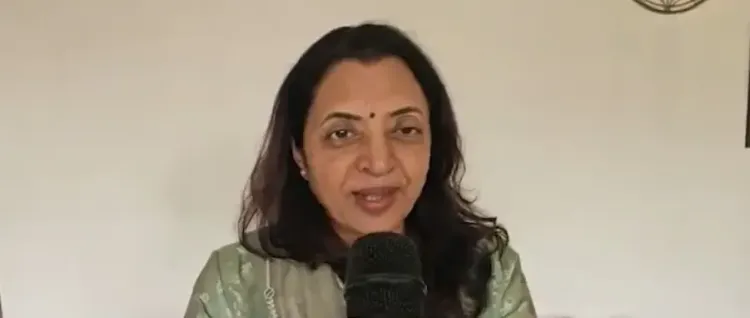
Shiv Sena spokesperson Manisha Kayande pointed to Pathan's multiple electoral defeats to question his authority on the issue.
Congress spokesperson Rakesh Sinha said his party also wants Muslim leaders to rise but alleged AIMIM 'is working on the BJP's agenda' as a vote-splitter.
The backlash cuts across ideological lines, reflecting broader frustration with AIMIM's rhetorical posturing versus its limited organisational presence.
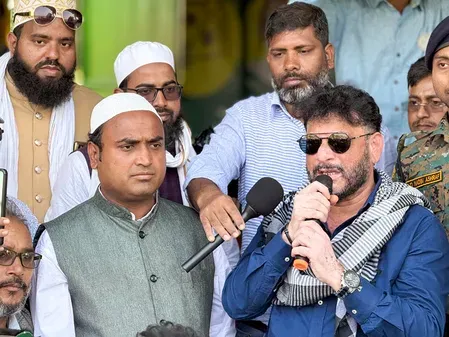
AIMIM leader Waris Pathan's assertion that an 'Abdul' would one day become India's Prime Minister has triggered sharp pushback from political parties and a prominent religious body, with critics targeting both the remark's substance and his party's marginal electoral standing.
Imam Association Rejects the Claim
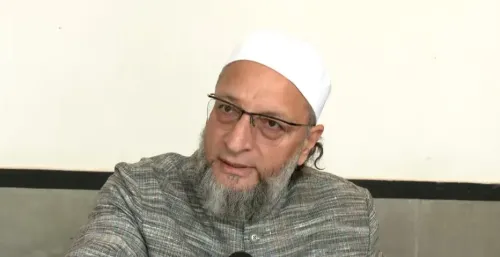
All India Imam Association chief Maulana Sajid Rashidi dismissed Pathan's statement as politically weightless. 'It is surprising to me how a person who has just one seat in Hyderabad gets to comment on whether a Muslim can be a Chief Minister or not? A party with at least 35 seats or 99 seats, if it decides to support a Muslim candidate, then it makes some sense,' Rashidi said.
Rashidi went further, arguing that such rhetoric does more harm than good. 'Saying that an "Abdul" or a burqa-clad woman will become the next PM is an insult to the Muslims and nothing else,' he added. The rebuke is notable coming from within the Muslim religious establishment rather than from rival Hindu-nationalist quarters.
Shiv Sena Questions Pathan's Electoral Record
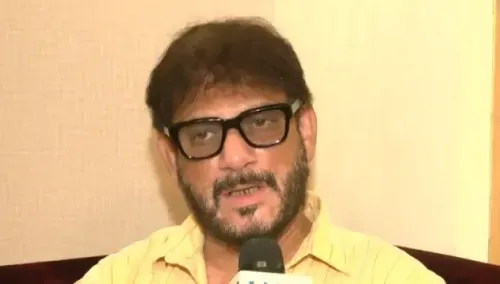
Shiv Sena spokesperson Manisha Kayande challenged Pathan's credibility by citing his electoral losses. 'Waris Pathan has been defeated, not once but multiple times. One who could not save his own seat does not have a say in whether "Abdul" can become the CM or PM of the country,' Kayande said.
Congress Concurs on Aspiration, Contests the Messenger
Congress spokesperson Rakesh Sinha adopted a nuanced stance — affirming the aspiration while questioning Pathan's contribution toward realising it. 'We also want an Abdullah to become Chief Minister, and the country wants the same. But how will that happen through Pathan's statements? How many people named Abdullah has he helped promote?' Sinha said.
Sinha also alleged that AIMIM had functioned largely for its own family members and close associates, adding: 'AIMIM is working on the BJP's agenda' — a pointed allegation that the party serves as a vote-splitter benefiting the Bharatiya Janata Party (BJP).
What Prompted the Remarks
Pathan's comments were reportedly made in the context of Abdul El-Sayed's election as a senator from the US state of Michigan. Citing El-Sayed's success, Pathan called for stronger Muslim political leadership in Uttar Pradesh, arguing that the community should aspire to hold positions of power rather than serve merely as a vote bank. He expressed confidence that an 'Abdul' would one day occupy the country's top executive office.
Broader Political Context
AIMIM, led by Asaduddin Owaisi, has long faced the charge — particularly from Congress — that its electoral presence divides minority votes and inadvertently aids the BJP in closely contested constituencies. Pathan's latest remarks have renewed that debate, with critics arguing that high-decibel rhetoric about Muslim political power is divorced from the organisational groundwork required to actually deliver it. The episode also highlights growing tension within Muslim political and religious voices over strategy: whether representational ambition is best served by assertion or by coalition-building.
Point of View
Shiv Sena, and Congress to converge on the same target. What it reveals is not just irritation with a single remark but a deeper frustration: that AIMIM's outsized rhetoric has long outpaced its organisational weight. The Congress allegation that AIMIM functions as a BJP vote-splitter is not new, but its repetition by a party spokesperson after a Pathan statement signals that this framing has become an electoral liability for AIMIM, not just an accusation. If even Muslim religious leaders distance themselves from such statements, the party faces a credibility question it cannot answer with slogans alone.
NationPress
9 Nov 2026
Frequently Asked Questions
What did Waris Pathan say about an 'Abdul' becoming PM?
AIMIM leader Waris Pathan said he was confident that an 'Abdul' would one day become the Prime Minister of India. He made the remarks in the context of Abdul El-Sayed's election as a senator from Michigan in the United States, using it as a model for Muslim political ambition in India.
Why did the All India Imam Association criticise Pathan?
All India Imam Association chief Maulana Sajid Rashidi said a party holding just one seat in Hyderabad has no standing to predict or determine whether a Muslim will become Chief Minister or Prime Minister. He called the remark 'an insult to Muslims.'
What was the Congress party's position on Pathan's statement?
Congress spokesperson Rakesh Sinha said his party also supports the idea of Muslim leaders rising to chief ministerial positions, but questioned what concrete contribution Pathan or AIMIM has made toward that goal. He also alleged that AIMIM is 'working on the BJP's agenda' by splitting minority votes.
How did Shiv Sena respond to Pathan's remarks?
Shiv Sena spokesperson Manisha Kayande dismissed Pathan's credibility, noting he has lost elections multiple times. She argued that someone who could not hold his own seat has no authority to make claims about who will become the country's Chief Minister or Prime Minister.
What is the broader political significance of this controversy?
The episode reignites the longstanding debate over AIMIM's role in Indian elections, with critics — including from within the Muslim community — arguing that the party's high-decibel rhetoric about representation is undermined by its negligible electoral footprint and alleged role as a vote-splitter.