CM Pema Khandu Hails 12 Years of Modi Govt's Sports Push
Synopsis
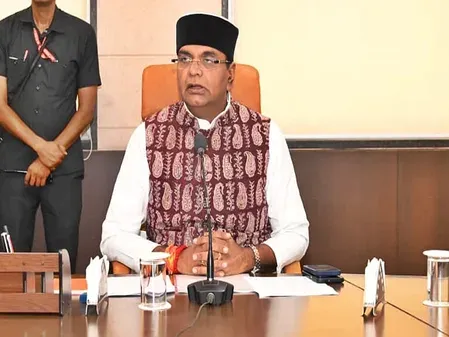
Arunachal Pradesh CM Pema Khandu marked twelve years of the Modi government on 13 June 2026 by crediting TOPS and Khelo India with opening doors for Indian athletes, saying systemic investment has replaced the era when talent went unnoticed.
Key Takeaways
CM Pema Khandu posted on 13 June 2026 praising twelve years of sports-related governance under PM Narendra Modi .
The post was tagged #12YearsOfYuvaShakti and #12YearsOfModiGovernment , part of a coordinated BJP anniversary campaign.
The Target Olympic Podium Scheme (TOPS) , launched in 2014 , provides elite athletes with structured, performance-linked funding and training support.
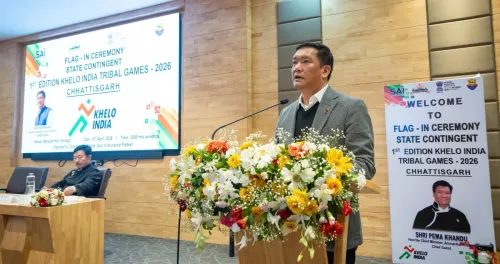
The Khelo India programme, launched in 2017 , targets grassroots talent identification and infrastructure upgrades across states including Arunachal Pradesh .
Indian athletes have posted improved results at the Asian Games and Olympics since the policy shift began in 2014 .
The 2028 Los Angeles Olympics will serve as a key test for a decade of central sports investment.
Arunachal Pradesh Chief Minister Pema Khandu on Saturday, 13 June 2026, credited twelve years of the Modi government with transforming opportunities for Indian athletes, saying improved training, infrastructure, and institutional support have enabled them to represent the Tricolour with distinction on the world stage.
Context
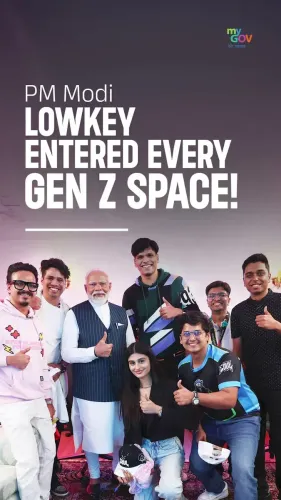
Posting under the hashtags #12YearsOfYuvaShakti and #12YearsOfModiGovernment, CM Khandu drew a contrast between an earlier era when talent went unrecognised due to scarce opportunities and the present, where he says systemic investment has changed the landscape. The post, directed at Prime Minister Narendra Modi, is part of a coordinated BJP outreach marking a dozen years of the party in power at the Centre.
The phrase 'Yuva Shakti' — meaning 'youth power' — frames sports development as a generational shift, linking athletic achievement to governance outcomes under the National Democratic Alliance.
Policy Backdrop
The central government launched the Target Olympic Podium Scheme (TOPS) in 2014 to provide elite athletes with personalised funding, foreign training stints, and equipment support. The scheme marked a departure from ad hoc patronage toward structured, performance-linked assistance.
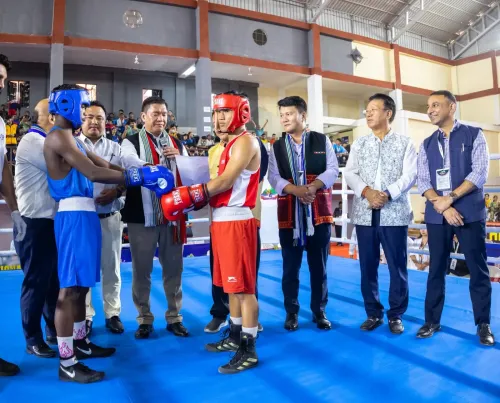
In 2017, the Khelo India programme extended this philosophy to the grassroots, funding school-level competitions, upgrading facilities across states, and creating a talent identification pipeline. Together, the two initiatives represent the spine of central sports policy over the past twelve years. Arunachal Pradesh, with its tradition of combat sports and athletics, has been among the states receiving Khelo India infrastructure support.
Stakeholders and Impact
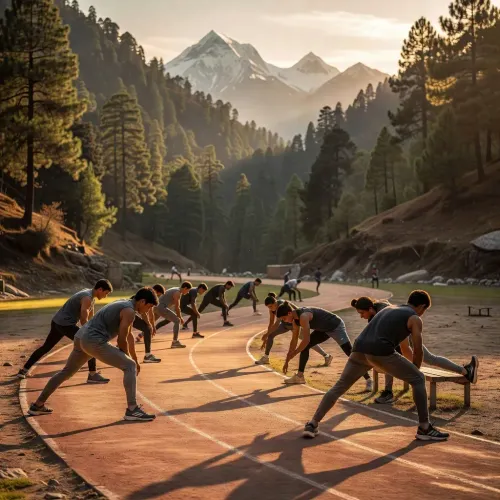
Indian athletes across disciplines — from wrestling and boxing to archery and weightlifting — have recorded stronger performances at multi-sport events including the Asian Games and successive Olympic cycles since the policy shift began in 2014. Youth from smaller states and rural backgrounds, who previously lacked access to quality coaching, are among the primary beneficiaries of expanded training centres and stipend programmes.
For Arunachal Pradesh specifically, central sports investment carries additional significance: the state's remote geography and limited historical infrastructure meant local talent was disproportionately disadvantaged. State leaders like CM Khandu have consistently highlighted federal support as a multiplier for north-eastern participation in national and international sport.
What's Next
Attention will turn to Indian performance at the 2028 Los Angeles Olympics, which is shaping up as the benchmark against which a decade of sports policy investment will be measured. Domestically, the rollout of state-level Khelo India centres in Arunachal Pradesh and other north-eastern states remains a key indicator of whether grassroots infrastructure has reached the country's most underserved sporting regions. How the next phase of TOPS selections and funding cycles are structured will determine whether the momentum celebrated by leaders like CM Khandu translates into podium finishes on the global stage.
Point of View
Positioning sports policy as a youth-empowerment story ahead of electoral cycles. What gives the message substance beyond symbolism is that TOPS and Khelo India do represent a structural shift from India's historically neglected sports ecosystem. The real test, however, is the 2028 Los Angeles Olympics, which will either validate or complicate the twelve-year story being built.
NationPress
27 Oct 2026
Frequently Asked Questions
What is the Khelo India scheme?
Khelo India is a national programme launched in 2017 to build grassroots sports infrastructure, fund school-level competitions, and identify athletic talent across India, including in north-eastern states like Arunachal Pradesh.
What is the Target Olympic Podium Scheme (TOPS)?
TOPS, launched in 2014, is a central government scheme that provides elite Indian athletes with personalised funding, foreign training exposure, and equipment support to improve their chances of winning Olympic medals.
Why did Pema Khandu post about Indian sports?
CM Pema Khandu posted on 13 June 2026 as part of the BJP's '12 Years of Modi Government' campaign, using sports achievements to highlight what he described as improved training and infrastructure for Indian athletes under central policy.
How has Indian sports performance changed since 2014?
Since 2014, India has recorded stronger performances at multi-sport events including the Asian Games and Olympics, attributed in part to structured programmes like TOPS and Khelo India that expanded access to coaching and facilities.
What is the significance of sports development in Arunachal Pradesh?
Arunachal Pradesh's remote geography historically limited its athletes' access to quality infrastructure; central schemes like Khelo India have been highlighted by CM Pema Khandu as critical to giving north-eastern talent a pathway to national and international competition.